Last updated November 23, 2026
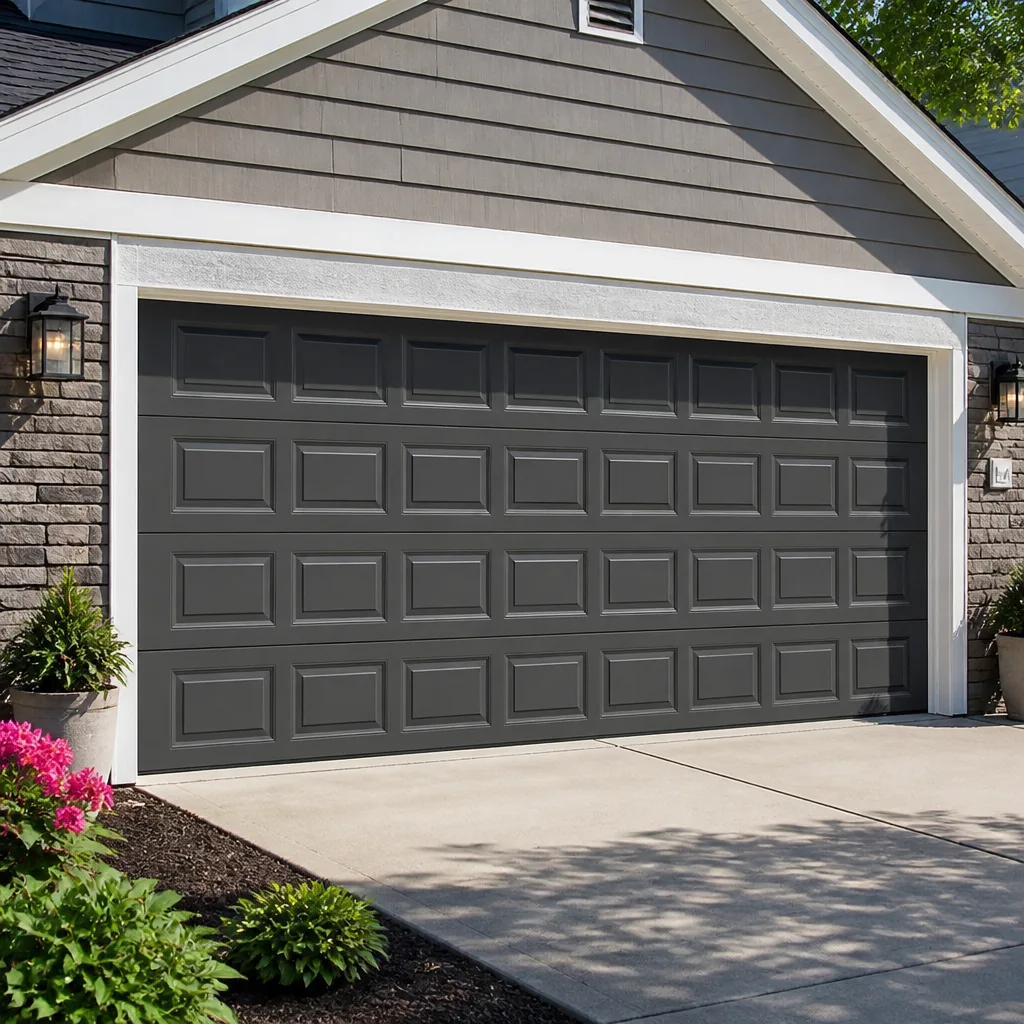 Raised-panel steel
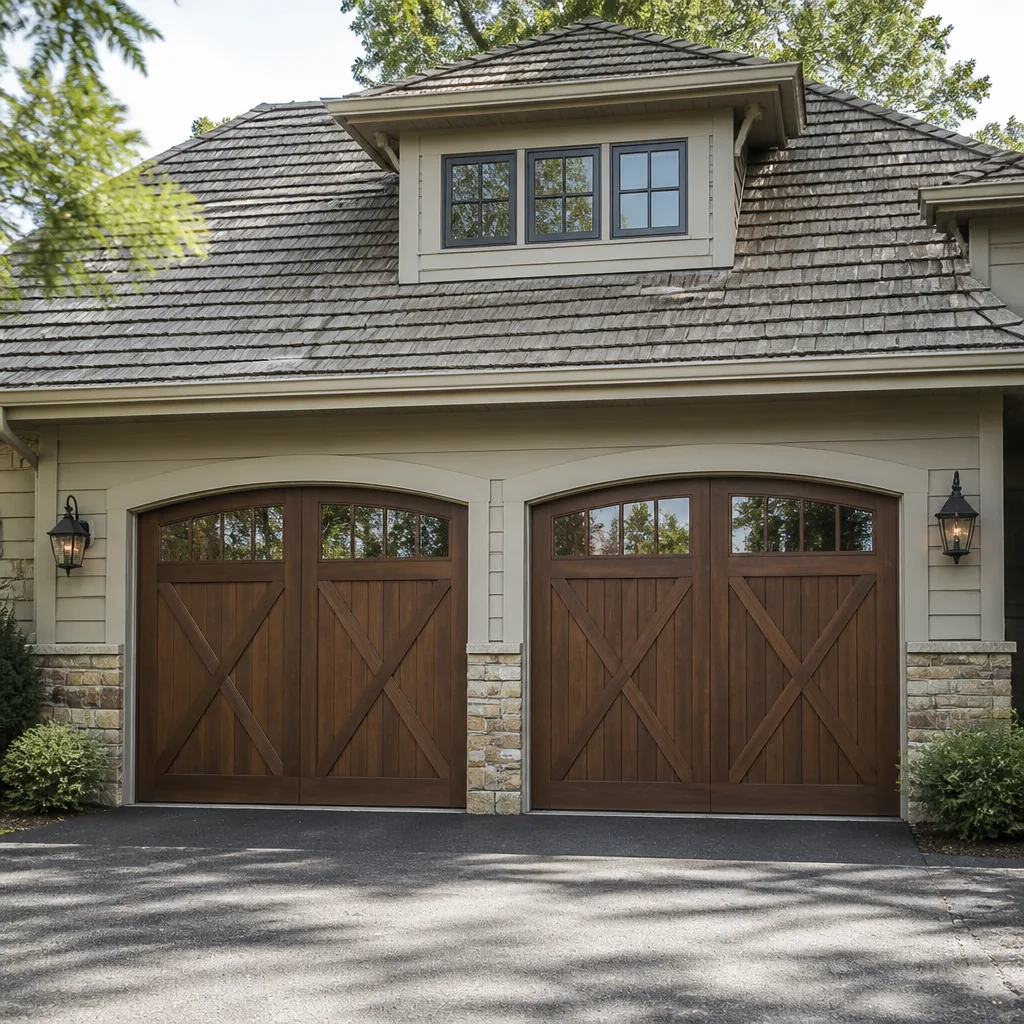 Carriage house
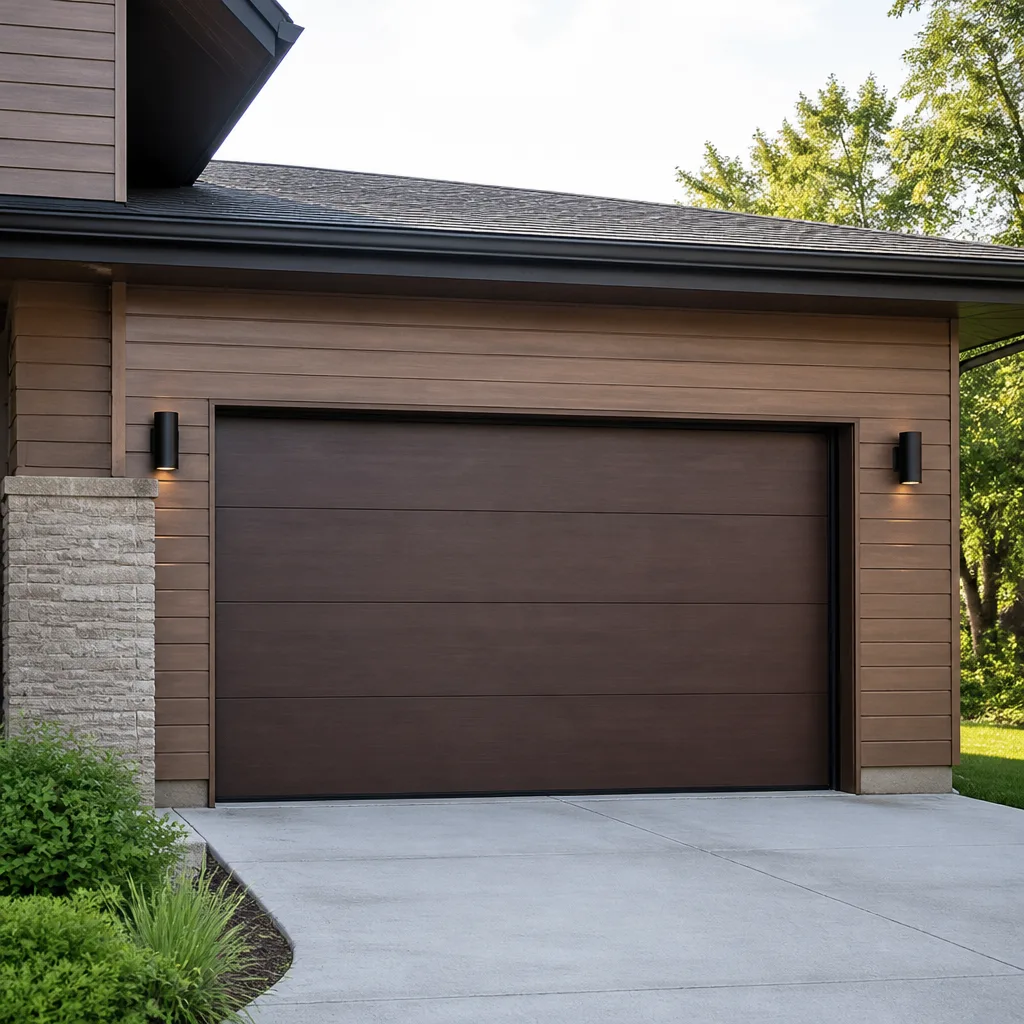 Modern flush
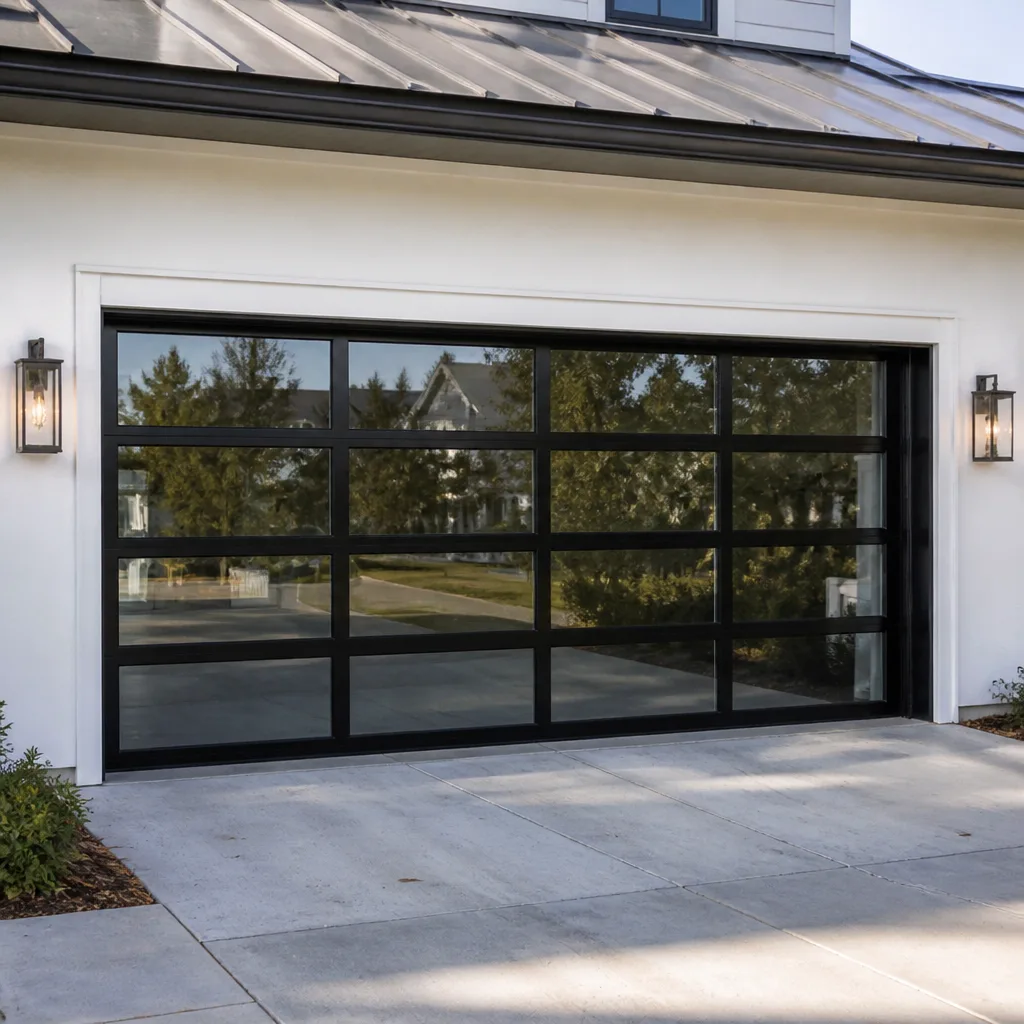 Full-view glass
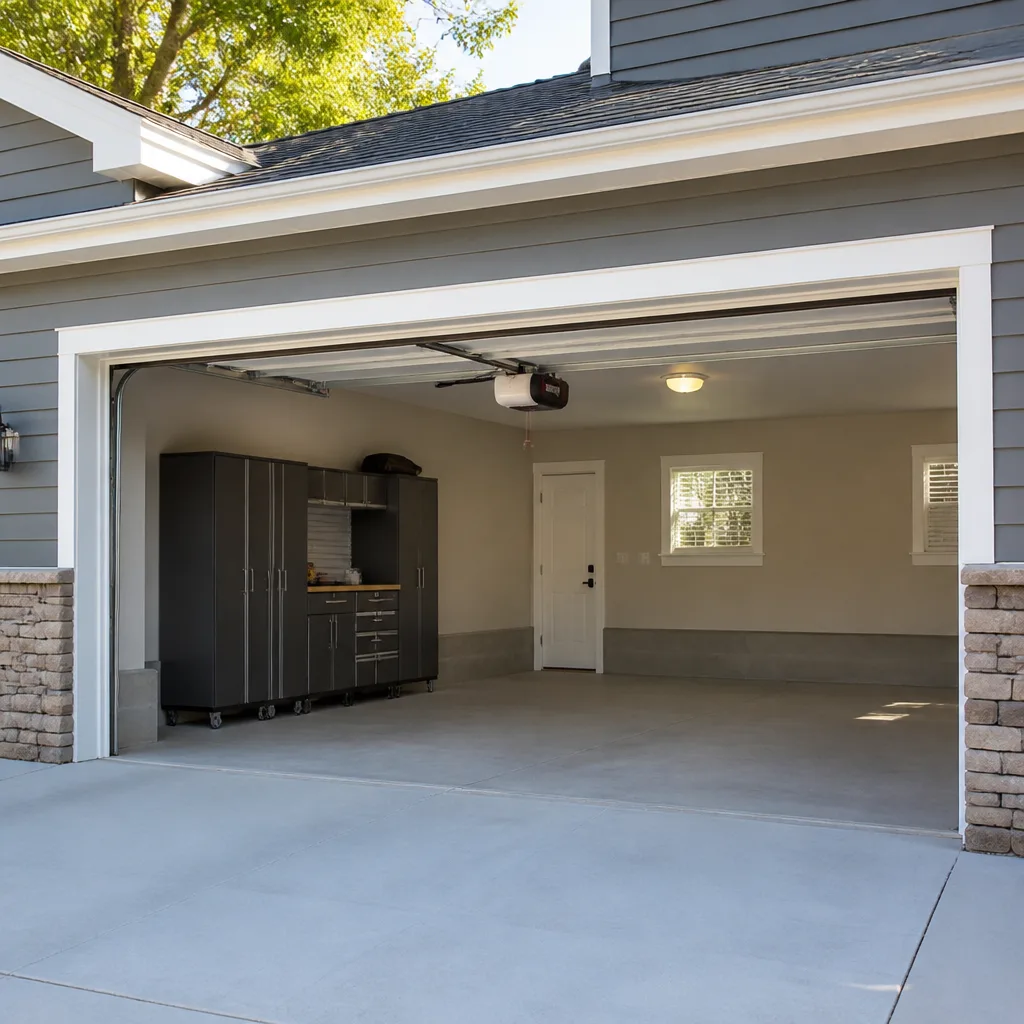 LiftMaster openers
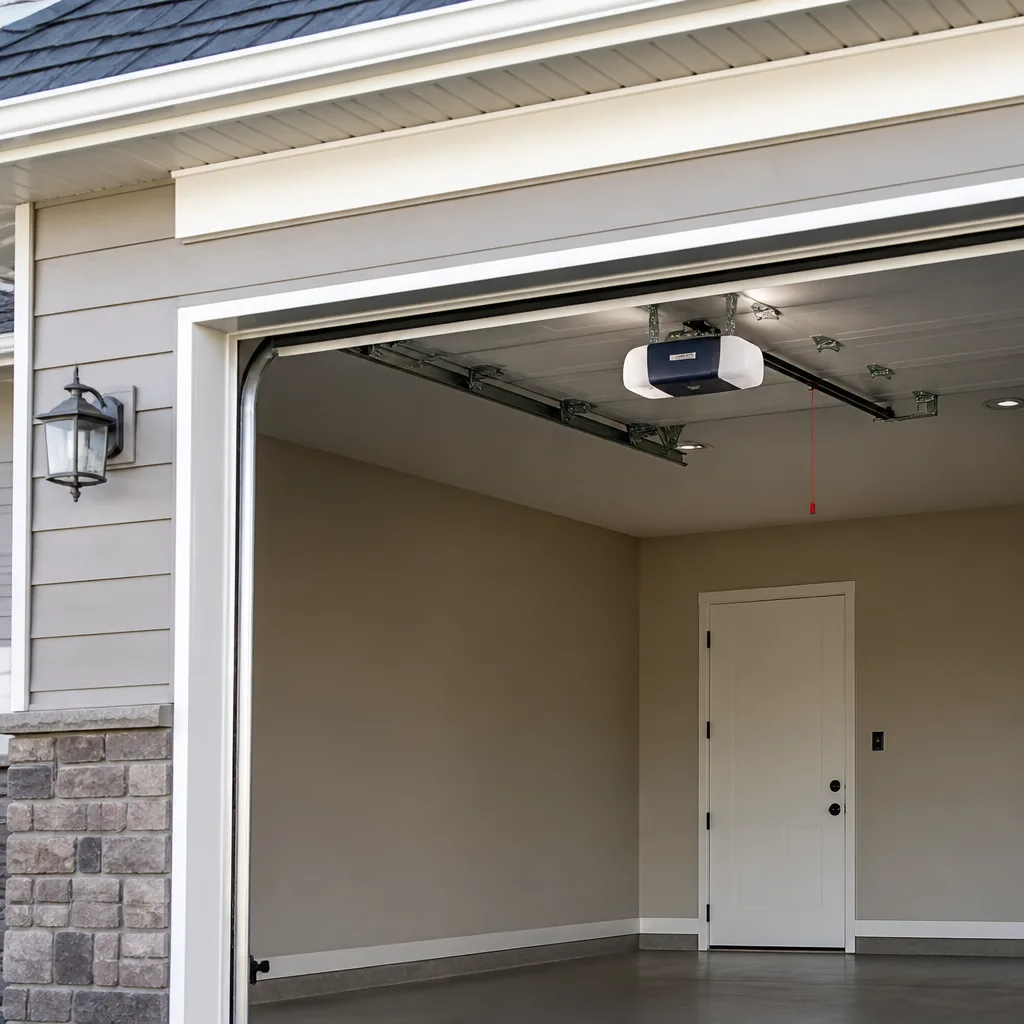 Chamberlain openers
Full 25-point door and opener safety check with every visit - springs, cables, rollers, tracks, and your LiftMaster or Chamberlain opener included
You get a price before we start. It does not change when the pro arrives.
Get your free estimateSeasonal Garage Door Care for College Park: Year-Round Homeowner’s Guide
Most garage door advice treats maintenance as a single annual errand: book one tune-up, forget about it, repeat next year. That schedule doesn’t fit how a garage door actually wears in College Park. Our winters swing hard enough to stiffen grease and crack weatherstripping, our summers are humid enough to swell wooden panels and dull steel finishes, and the freeze-thaw line between them is where torsion springs and bottom seals start to fail. A once-a-year checkup catches problems after they’ve already set in. This guide breaks maintenance into four seasonal passes so you know what to look at and when. We’ll cover spring inspection, summer humidity effects, fall prep, winter seal and road salt care, and the one monthly check that flags most emergency failures before they happen.
Quick Answer
Garage door care in College Park follows a four-season rhythm: inspect springs and weatherstripping after winter freeze-thaw, watch wood alignment and steel finish in summer humidity, prep lubrication and battery backup before the first freeze in fall, and protect seals and metal hardware from road salt in winter. A monthly manual disconnect test and visual cable check throughout the year catches most failures early. Every task below is written for the mid-Atlantic climate College Park actually sits in, not a generic national checklist.
Styles & brands we work with
- Raised-panel steel
- Carriage house
- Modern flush
- Full-view glass
- LiftMaster openers
- Chamberlain openers
Table of Contents
- Why seasonal care matters more in College Park than one annual tune-up
- Spring: inspecting after freeze-thaw cycling
- Summer: humidity, wood alignment, and steel finish
- Fall: the pre-winter prep sequence
- Winter: frozen seals and road salt damage
- The one monthly check that prevents most emergencies
- Common mistakes to avoid
- When to call a professional
- Frequently asked questions
- The bottom line
If your door won’t move and you need help now, that’s what our garage door repair team is built for. One call covers it, whether the failure lands on a humid July afternoon or a cold February morning.
Why seasonal care matters more in College Park than one annual tune-up
College Park sits in a climate band with real extremes on both ends. Average January lows and August highs are separated by roughly 60°F, and that thermal swing does measurable damage to three components in particular: torsion spring metal, vinyl weatherstripping, and the lubricant inside your opener’s drive system. Each of those fails on a different seasonal schedule, which is exactly why a single annual visit misses them.
Here’s how the damage actually accumulates:
- Torsion springs flex thousands of times across a temperature range that starts near freezing and climbs into the 90s. Metal fatigue accelerates at both temperature extremes, so a spring that looks fine in April can be visibly stretched by October.
- Weatherstripping stiffens in cold, then softens and can sag in summer heat. Repeated cycles crack vinyl at the corners and along the bottom seal long before it looks worn from a distance.
- Opener lubricant thickens as temperatures drop, which strains the motor and drive gears. In summer the opposite happens: heat thins grease and lets it migrate away from the moving parts it was supposed to protect.
- Wood and steel panels respond to humidity in opposite ways. Wood swells and misaligns; steel expands and stresses its paint bond. College Park’s humid summers push both effects harder than a dry-climate schedule would.
A maintenance plan built for a temperate climate assumes the door only sees one kind of weather. A College Park door sees four. If you want the full picture of what a technician handles on a service visit, our College Park Garage Door Repair Pros overview covers the full range of what we work on. The point of a seasonal approach is that each pass catches something the other three would miss.
Spring: inspecting after freeze-thaw cycling
Spring is the most important inspection window of the year in College Park. Winter freeze-thaw cycling stresses hardware in ways that don’t show up during the cold months themselves. When water seeps into small gaps and then freezes, it expands and opens those gaps wider. By the time the ground thaws, seals, hinges, and spring anchor points have all taken a beating.
Walk around the door in spring and look specifically at these fatigue points:
- Bottom seal cracking. Run your hand along the bottom weatherstrip and look for cracks at the corners and along the center. Cracks that run perpendicular to the seal’s length are the classic freeze-thaw failure. A seal that’s cracked but still flexible can often wait; one that’s cracked and stiff needs replacing before summer rains get in.
- Hinge and roller wear. Check each hinge for looseness and each roller for flat spots. Cold weather stiffens rollers, and a roller that ran stiff all winter is often a roller that’s already worn.
- Spring anchor plate and cable drums. Look for rust bloom around the anchor bolts and any frayed cable strands near the drums. Do not touch a torsion spring or its cables. Springs are under extreme tension and this is not a DIY repair; call a trained technician for anything involving spring hardware.
- Track alignment. Freeze-thaw movement in the slab under the door can shift track brackets slightly. A track that’s out of plumb will scrape a roller and cause the door to bind.
- Opener force recalibration. After a winter of thick lubricant, the opener’s force settings may have been nudged to compensate. Reset them to factory guidance so the opener isn’t straining to close against a door that now moves freely.
Spring repairs are their own specialty for a reason. If any inspection point involves the torsion spring or its cables, stop there. That work belongs with a technician who has the right winding bars, training, and knowledge of what a spring under load actually does. Our garage door spring repair team handles both torsion and extension springs, and we can diagnose whether a spring is close to failure before it lets go.
Summer: humidity, wood alignment, and steel finish
College Park summers are humid, and humidity is quietly one of the biggest maintenance factors for a specific reason: it affects wood and steel doors in opposite directions. If you know which material you have, you know what to watch for from June through September.
If you have a wood door
Wood swells as it absorbs moisture. On a sectional door, that swelling shows up as panels that bind against each other, gaps that open at the stiles, and a door that suddenly seems to sit crooked in the opening. The fix is usually not a repair but a seasonal adjustment: check the hinge screws, tighten any that have backed out as the wood moved, and watch the bottom corners, which catch the most humidity. A swollen panel that scrapes the track in August usually resolves on its own once fall dries the wood out, so avoid the temptation to force things.
If you have a steel door
Steel expands in heat and contracts at night, and humidity attacks the paint bond from the edge trim inward. Walk the perimeter of the door in summer and look for bubbles, dulled patches, or paint lifting at the seams. Small finish breaks are worth addressing in summer when the weather allows paint to cure properly. Once water gets behind the finish, rust starts at the panel and works inward, and that’s a much bigger job.
Attached-garage ventilation
An attached garage in College Park traps summer humidity against the inside face of the door. If your garage shares a wall with the house, keep the door open for a few hours on dry days to let the space air out. If the garage has no venting at all, a small vent or even a fan moving air across the door face helps dry out the seal and the door hardware. Wood-framed garages benefit most, since trapped humidity is what swells framing and softens the finish on the door’s interior side.
Fall: the pre-winter prep sequence
Fall is the season for action, not just inspection. The goal is to lock in a state that survives the first freeze. Do these four tasks in order, ideally before the first hard frost, so each one sets up the next.
- Change your lubricant for cold weather. Summer-thin grease and winter-stiff grease are not the same product. Clean old grease off the rollers, hinges, and opener drive rail, then apply a lubricant rated for cold temperatures. A thick summer grease that was fine in July can drag the opener motor hard in December. If you’re unsure what your opener manufacturer recommends for cold-weather lubrication, the brand matters: LiftMaster and Craftsman drive systems in particular call for specific products, and using the wrong one is a common cause of premature motor strain.
- Replace weatherstripping on a schedule, not when it fails. Fall is the right time to inspect and replace the bottom seal. Replacing it in October means the new seal takes the winter’s freeze-thaw cycles rather than an already-weathered one. Check the side and top seals too, and look for gaps at the corners where cold air gets in. A door with a bad seal doesn’t just leak air; it also lets water freeze against the bottom panel, which is what cracks seals in the first place.
- Test battery backup before the first freeze. If your opener has battery backup (most LiftMaster and Chamberlain units do), test it now. Unplug the opener for a few minutes and confirm the door still opens and closes on battery. A backup battery that’s been sitting all summer at partial charge is a common winter failure point, and it’s exactly when you need it that it lets you down.
- Tune the opener force and travel limits. Cold lubricant adds resistance. Reset the opener’s force and travel limits to manufacturer spec in the fall so the opener isn’t working against its own settings all season. This is also when to check that the safety reverse works: place a small object in the door’s path and confirm the door reverses on contact.
Fall is also the right time to book a professional tune-up if you’d rather not handle the opener settings yourself. Our garage door opener repair service covers force recalibration, travel limits, and safety-reverse testing on every major drive type, so the opener is set correctly before winter sets in.
Winter: frozen seals and road salt damage
Two winter issues do most of the damage to College Park garage doors: frozen bottom seals and road salt spray. Both are avoidable with the right habits.
Frozen bottom seals
A bottom seal freezes to the driveway slab when meltwater gets under it and then refreezes. The worst thing you can do is force the door open. Pulling a frozen seal will tear it, bend the bottom panel, and can yank the opener’s trolley out of alignment. Instead:
- Break the ice bond gently around the seal with a plastic scraper, not metal. Metal tools cut vinyl.
- Clear snow and ice away from the door opening before you operate the door, not after.
- If your driveway slopes toward the garage, use a sand or grit sweep along the seal line to break future ice bonds.
- Keep the door’s travel path clear; a door that’s forced against ice can damage the opener or the panel, and a burning motor is the next problem.
Road salt spray
College Park road salt spray is one of the biggest causes of track and hardware corrosion in winter, and it’s easy to underestimate. Salt spray from the street migrates to the door’s hinge points, roller stems, cables, and track, where it starts pitting the metal into rust. Wipe down hinges, rollers, and the track with a damp cloth and re-lubricate after heavy road salt exposure, and pay close attention to the bottom roller and track, which get the most spray. Corrosion at the roller stems is a common cause of a door that suddenly jams in February. If you notice rust settling into a hinge or track, don’t ignore it. Winter failures in College Park tend to start exactly there.
One College Park-specific note on winter emergencies: a door that fails on a Sunday is a real situation, and we book those calls for Sunday rather than assuming the door can wait until the next convenient weekday. When your door won’t move, we will respond, and Sunday bookings are how that works in practice.
The one monthly check that prevents most emergencies
If you only do one thing all year, do this. It’s a five-minute check, and in our experience it catches the large majority of failure conditions before they turn into an emergency call. That’s not a guarantee, but it is the highest-value five minutes in a garage door owner’s month.
Here’s the monthly routine:
- Disconnect the opener. Pull the manual release cord so the opener no longer moves the door. This lets you test the door’s own balance and movement separately from the motor.
- Open and close the door by hand. A properly balanced door should lift easily and stay where you leave it, roughly halfway up. A door that won’t hold position, or feels heavy at the bottom or top, is passing on a problem: spring tension, alignment, or roller wear.
- Run your eye along both cables. Look for frayed strands, kinks, or a cable that looks slack. Do not touch the cables or springs. Note anything unusual and call a technician.
- Check the bottom seal and side seals for new cracks or gaps, particularly after a freeze.
- Listen as the door moves. A grinding, scraping, or popping sound is worth investigating.
- Reconnect the opener and run a full open-and-close cycle to confirm the safety reverse works.
Do this same check each month through the year, and the seasonal tasks above become refinements rather than rescues. It won’t catch everything. A torsion spring can fail with no warning, and a good one will sound and act normal right up until the torsion bar lets go. But the failures that come from worn rollers, misaligned tracks, frayed cables, and failing seals will almost always announce themselves in a monthly test. When one does announce itself, that’s what our emergency garage door service is for. The door won’t move, so we will.
Common Mistakes to Avoid
- Waiting for one annual tune-up. A once-a-year visit misses the seasonal failure windows entirely, and by the time a technician sees the spring in spring, the winter damage is already set. Instead, use the four-season rhythm in this guide.
- Lubricating everything for summer when it’s October. The lubricant that protects against summer heat can drag hard in winter cold. Match your grease to the season, especially on opener drive rails.
- Forcing a frozen bottom seal open. Pulling a frozen seal will tear it, damage the bottom panel, and can throw the opener out of alignment. Break the ice bond before you operate the door.
- Skipping the battery backup test. A backup that’s been idle all summer is often at partial charge when you need it. Test it before the first freeze, not after.
- Ignoring College Park road salt spray on the tracks. Salt corrosion is easy to overlook because it happens slowly, but by February it’s a common cause of doors that suddenly jam. Wipe and re-lubricate after heavy exposure.
- Assuming a once-a-year check-up covers the weather. It doesn’t. Each season’s stress needs its own inspection point, which is the whole point of this guide.
- Forcing a door by hand when it’s binding. If you need to push a door to get it past a binding point, the opener’s force setting is masking a problem. Recalibrate or call, don’t push harder.
- Touching the torsion spring or cables. Springs are under extreme tension and this is not a DIY repair. A loaded spring that lets go is dangerous, so leave that work to a technician with the right tools.
When to Call a Professional
Some maintenance tasks are fine to do yourself: wiping down tracks, testing the manual release, checking for cracks, and inspecting the bottom seal. Other situations should get a call rather than a DIY attempt. Call a professional if you ever see a frayed cable, notice a spring that looks stretched or separated, hear grinding from the opener, feel that the door won’t hold position when you disconnect the opener, or see rust settling into a hinge or track after winter road salt exposure. Springs and cables are the clear “do not attempt” line; they’re under extreme tension, and a technician has the training and the winding tools to handle them safely. Our team of technicians has up to 12 years of experience and works on the brand you already have, from Wayne Dalton doors to Raynor and LiftMaster openers, so you’re not handed off to a subcontractor for any standard service.
College Park Garage Door Repair Pros offers free estimates in College Park. Call (844) 622-0665 to book a seasonal maintenance visit or an end-to-end check-up, and the price is quoted and agreed before any work starts.
Frequently Asked Questions
Do a five-minute monthly manual disconnect test and visual cable inspection, plus the four seasonal passes in this guide. That’s the schedule that fits College Park’s climate, where one annual tune-up misses the winter freeze-thaw and summer humidity damage. A professional tune-up can supplement that routine, but the monthly check is what catches most failures early.
Fall prep is the highest-value pass because it sets the door up to survive winter. That means matching your lubricant to cold weather, replacing worn weatherstripping before the first freeze, and testing battery backup before winter. Getting these done in October is what keeps a College Park door from failing in January. Call (844) 622-0665 for an exact quote if you’d rather have a technician run the fall checklist.
Yes. Cleaning and relubricating rollers, hinges, and the opener drive rail is a safe homeowner task, and matching the lubricant to the season is the part most people get wrong. Clean off old grease first, then apply a product rated for cold weather before fall. If you’re unsure what your opener manufacturer recommends, especially on LiftMaster or Craftsman units, ask us, and a technician can confirm you’re using the right product. Call (844) 622-0665 with the model and we’ll point you in the right direction.
Keep the seal’s contact line clear of water and snow, and break any ice bond gently with a plastic scraper before operating the door. On a sloped driveway, a sand or grit sweep along the seal line breaks future ice bonds. Never force a frozen door open, as it will tear the seal and may damage the bottom panel or the opener.
Yes, road salt spray accelerates corrosion on tracks, hinges, roller stems, and cables, which makes it a real winter maintenance concern. Wipe down the hardware and re-lubricate after periods of heavy road salt exposure, and watch the bottom roller and track most closely because they see the most spray. Catching it early prevents rust from settling in and causing a February jam. Call (844) 622-0665 for a free estimate if you want a technician’s assessment.
Seasonal care is a year-round schedule with specific inspection and action points for each season. A regular tune-up is usually a single visit, often annual, that covers general items. In College Park’s climate, the seasonal schedule catches failures that a single annual tune-up would miss, particularly spring fatigue, weatherstripping cracks, and opener force drift. They work best together.
It can be. A torsion spring failure means the door may not be liftable by anyone safely, and it can happen without warning. Springs are under extreme tension and this is not a DIY repair, so call a technician rather than trying to diagnose it yourself. Our spring repair team handles both torsion and extension springs, and a failed spring is one of the most common reasons we’re called. Call (844) 622-0665 for an exact quote; estimates are free.
The Bottom Line
Seasonal garage door care in College Park means four inspections, not one. Spring is for tracking freeze-thaw damage to seals, hinges, and spring hardware. Summer is for watching humidity’s effect on wood alignment and steel finish, and ventilating an attached garage. Fall is for cold-weather lubricant, weatherstripping replacement, battery backup testing, and opener recalibration. Winter is for breaking frozen seals gently and clearing road salt spray off the tracks. And every month, the manual disconnect test and visual cable inspection catch most of the failures that would otherwise become emergency calls. Springs and cables stay in the hands of a trained technician throughout. That’s the whole system, and it’s worth running every year.
If you’d like help running any of these seasonal passes, College Park Garage Door Repair Pros offers a free estimate and a full range of garage door services, from a single broken part to a complete new installation. Call (844) 622-0665 for a free estimate, and the written quote sets the price before any work starts.
Written by the team at College Park Garage Door Repair Pros.
See the difference
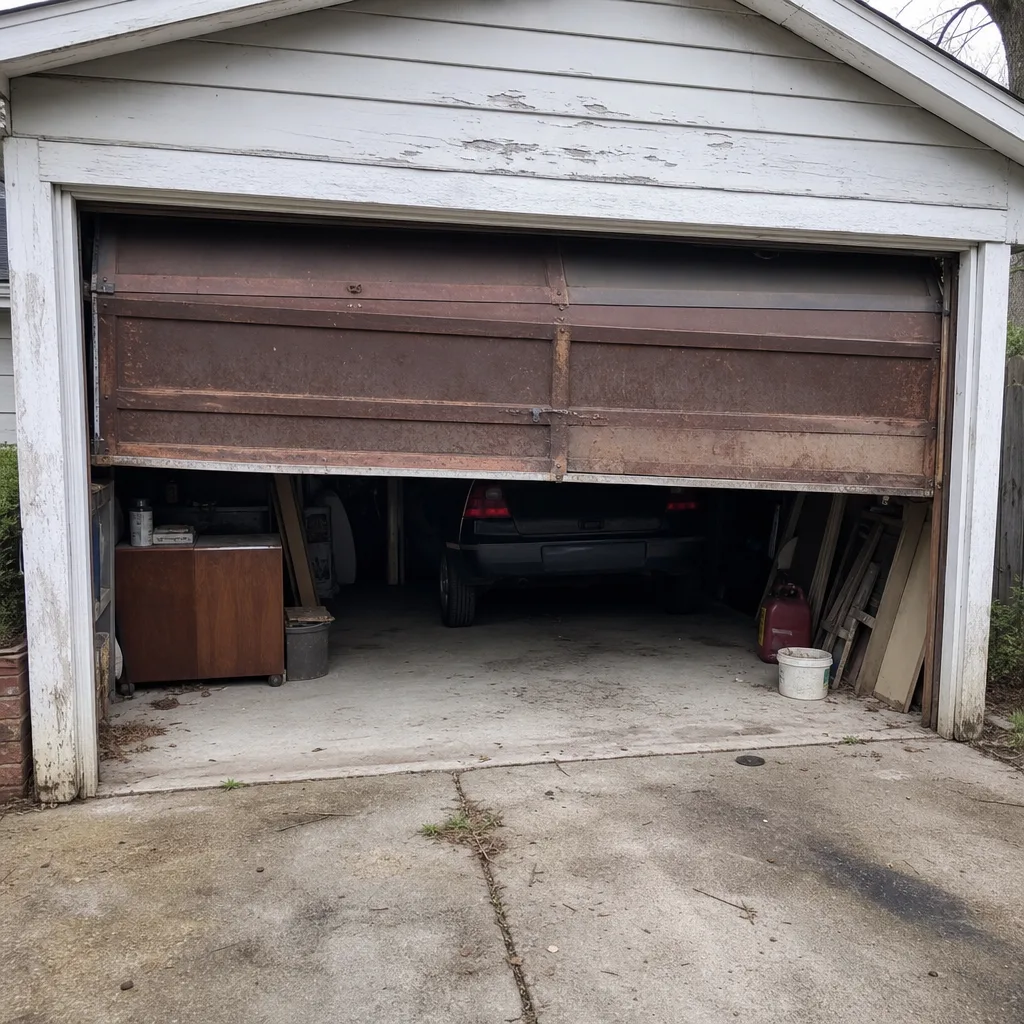 Before
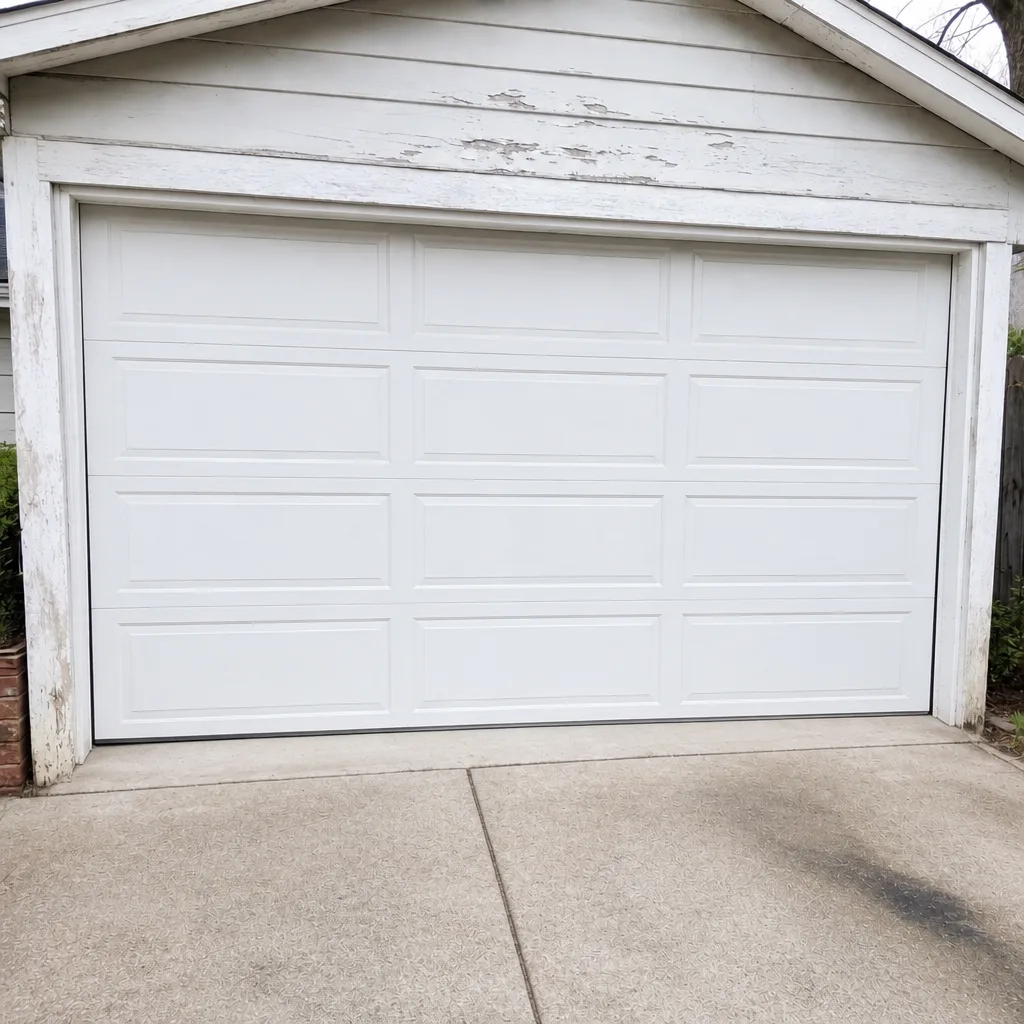 After
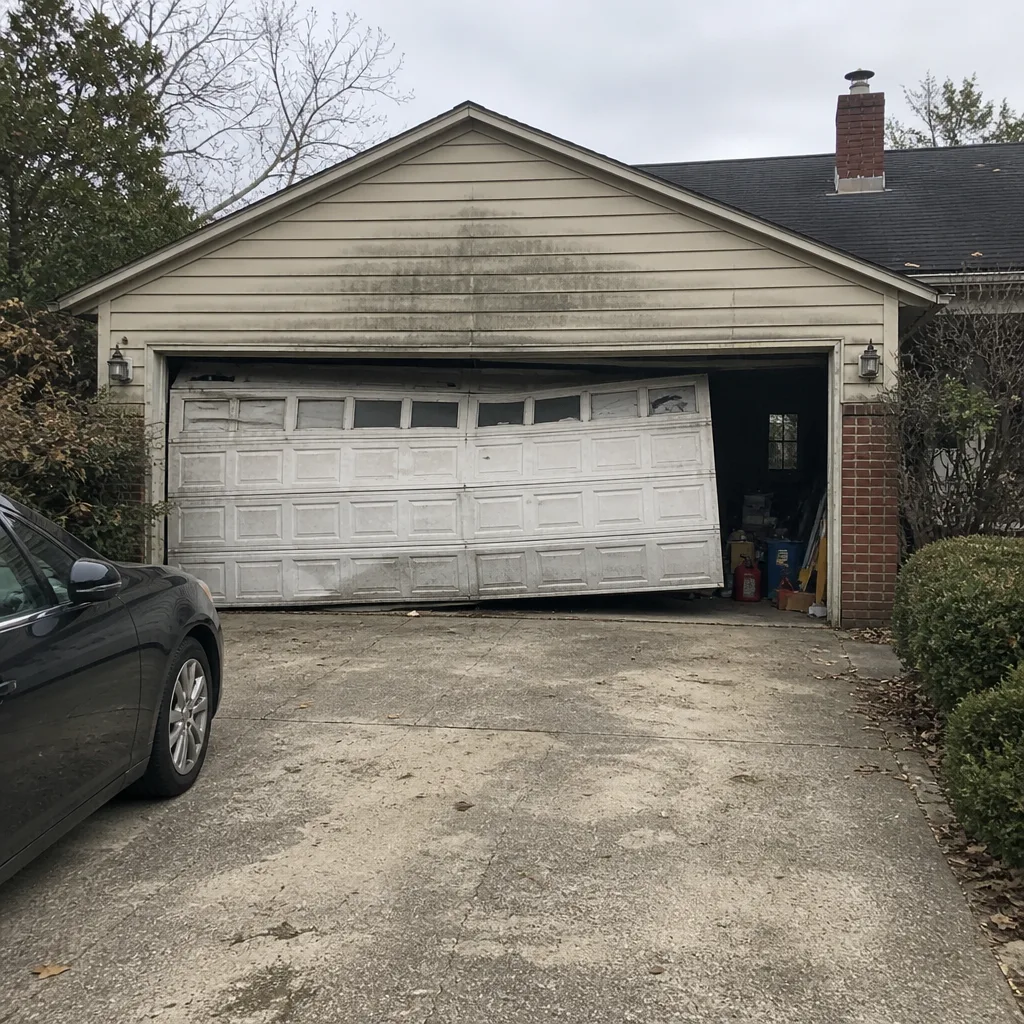 Before
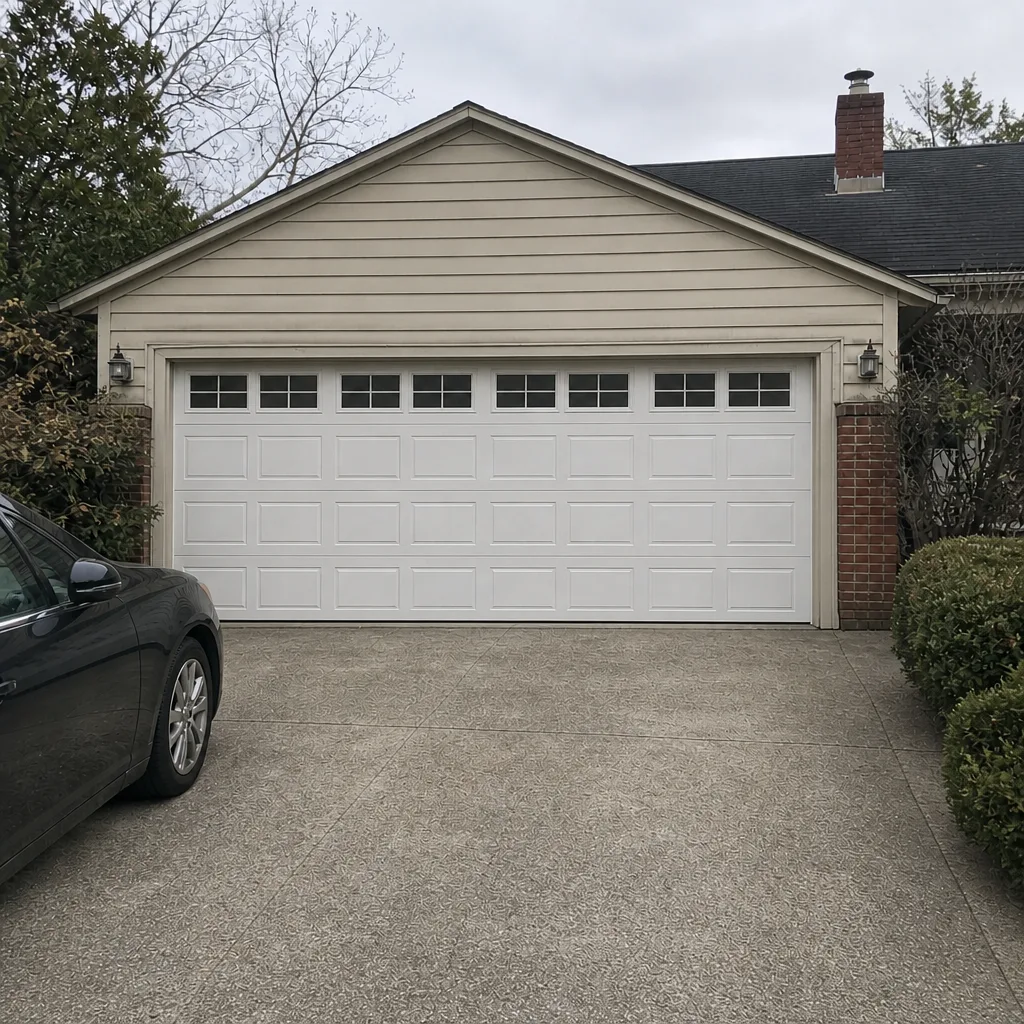 After
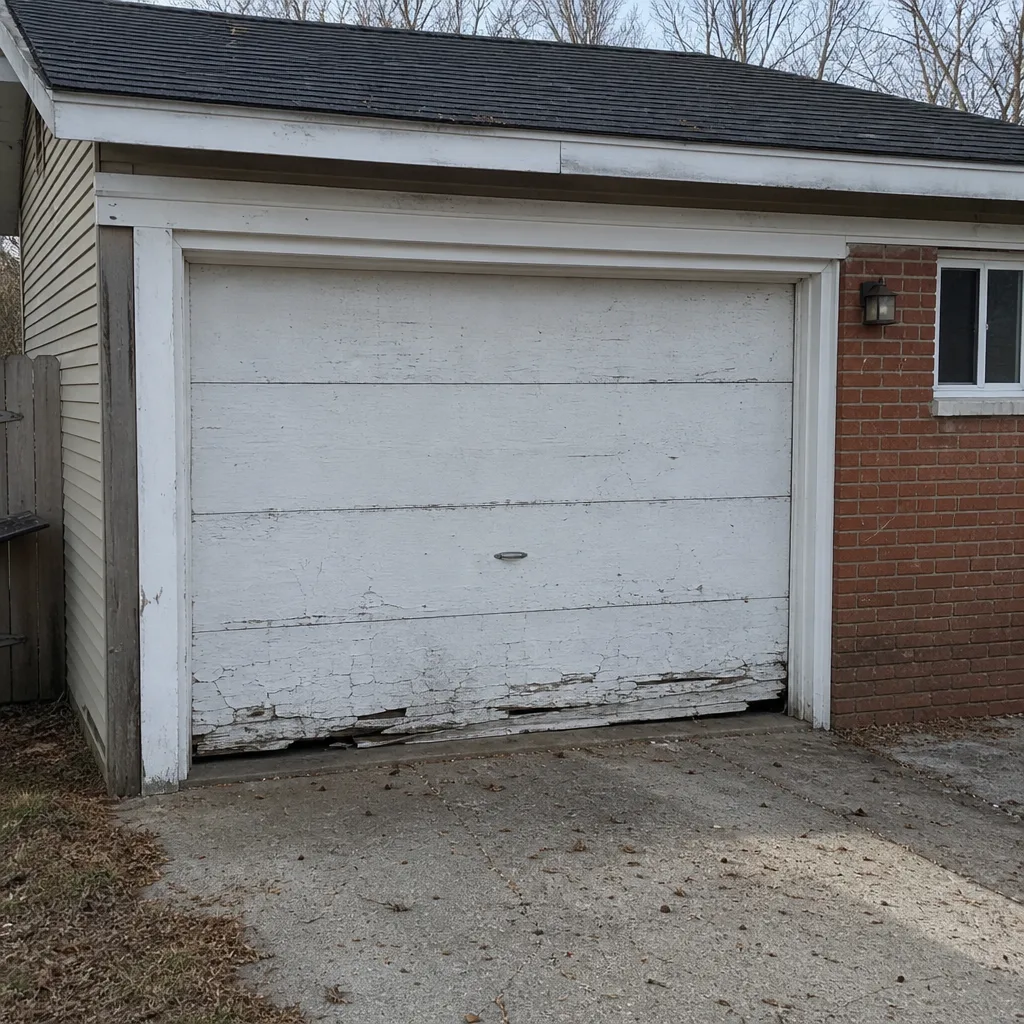 Before
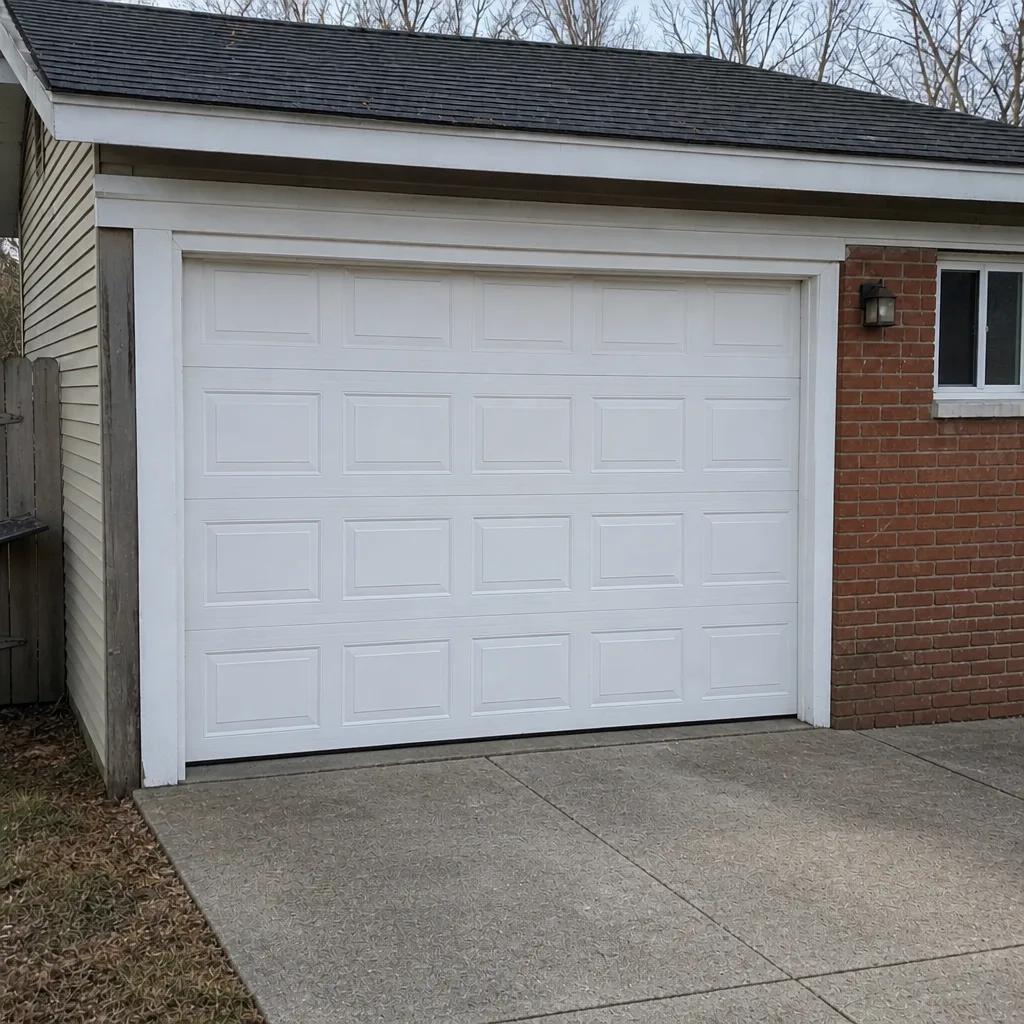 After