Last updated November 23, 2026
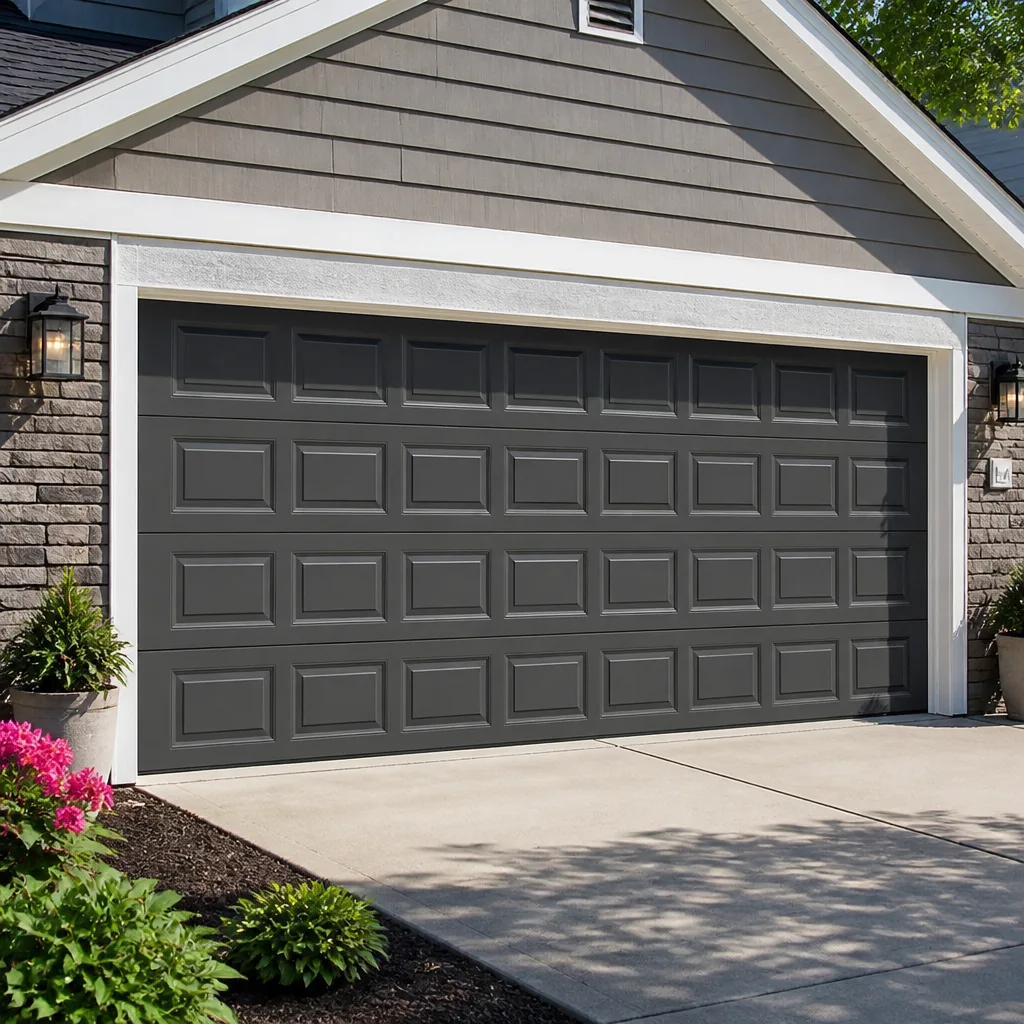 Raised-panel steel
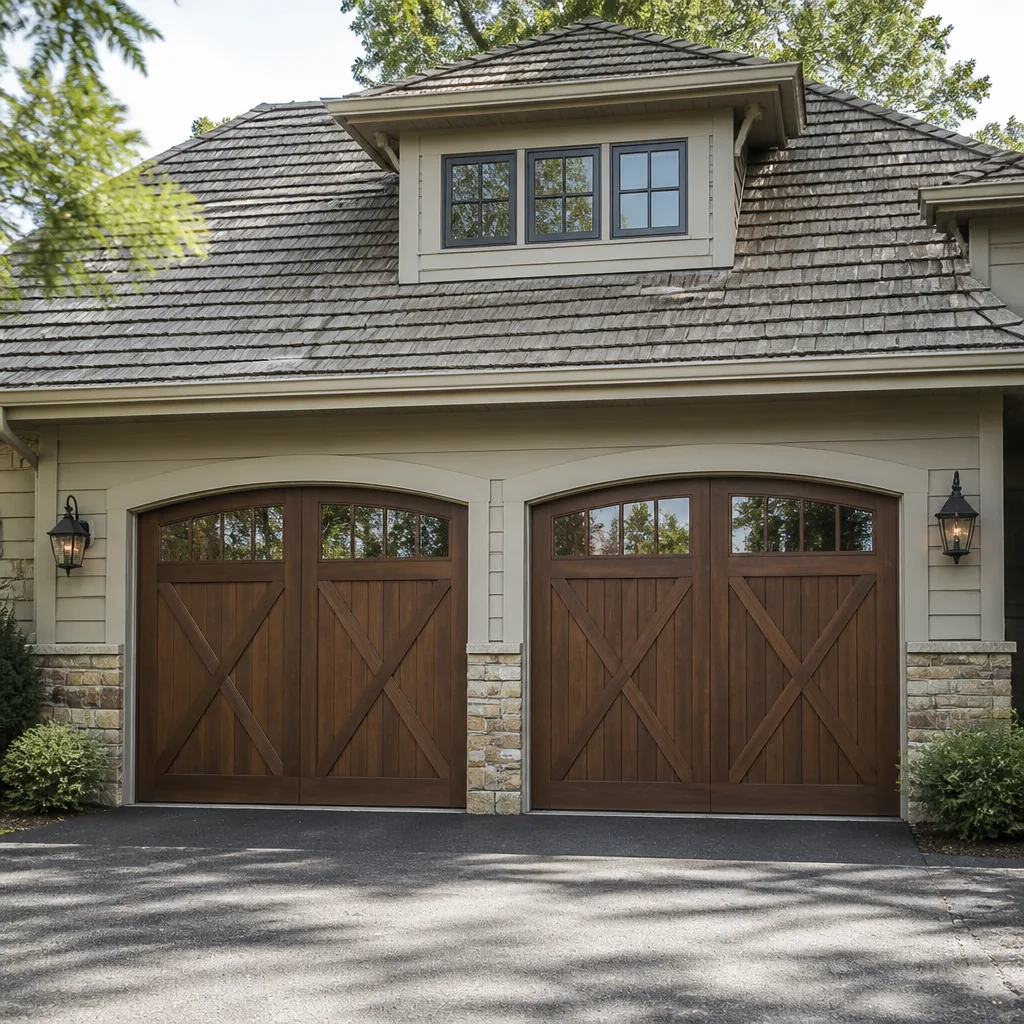 Carriage house
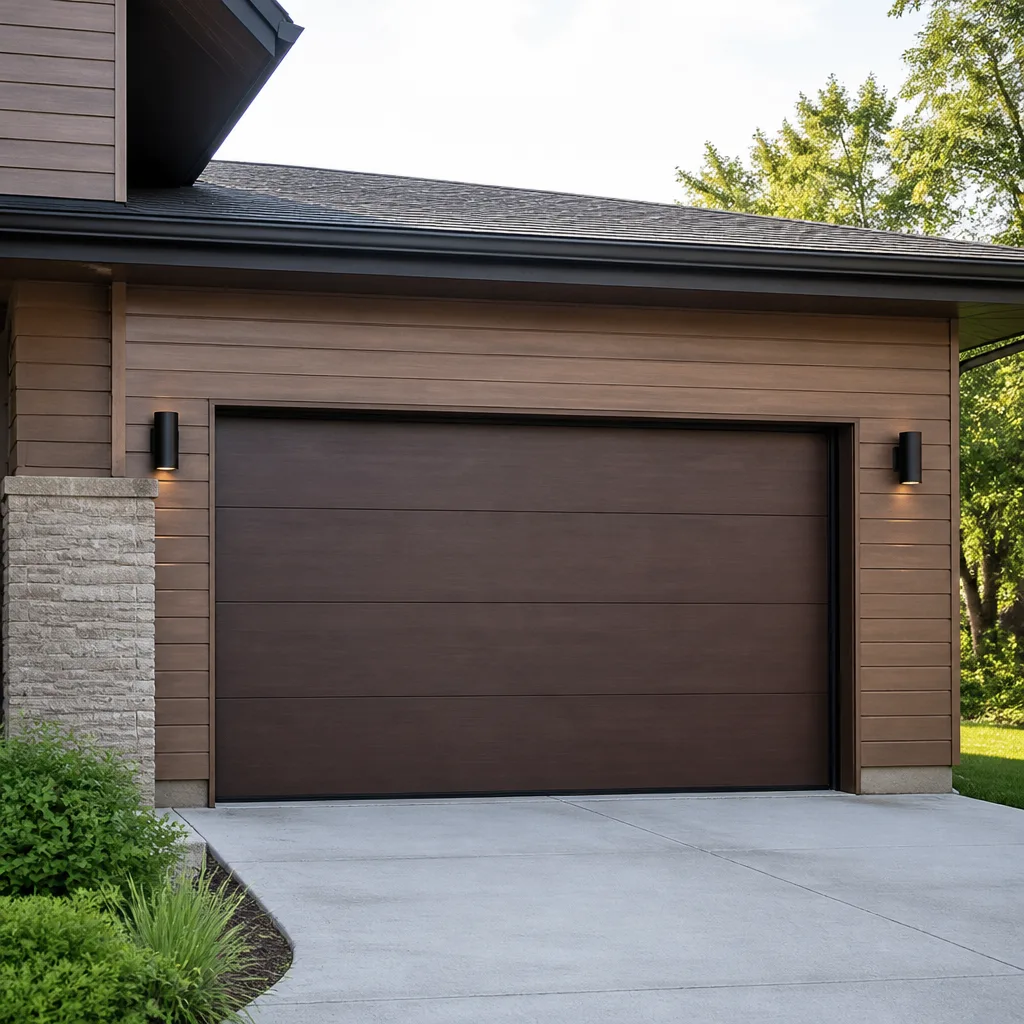 Modern flush
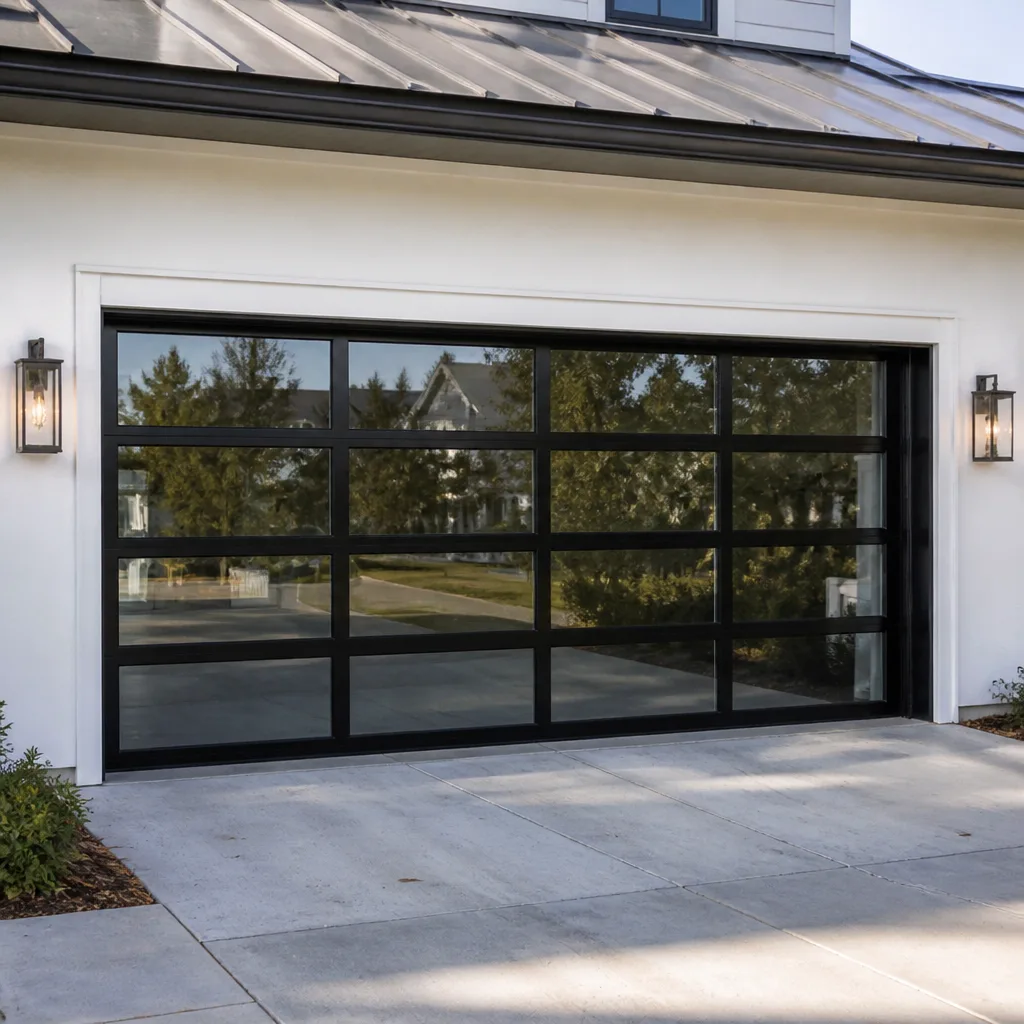 Full-view glass
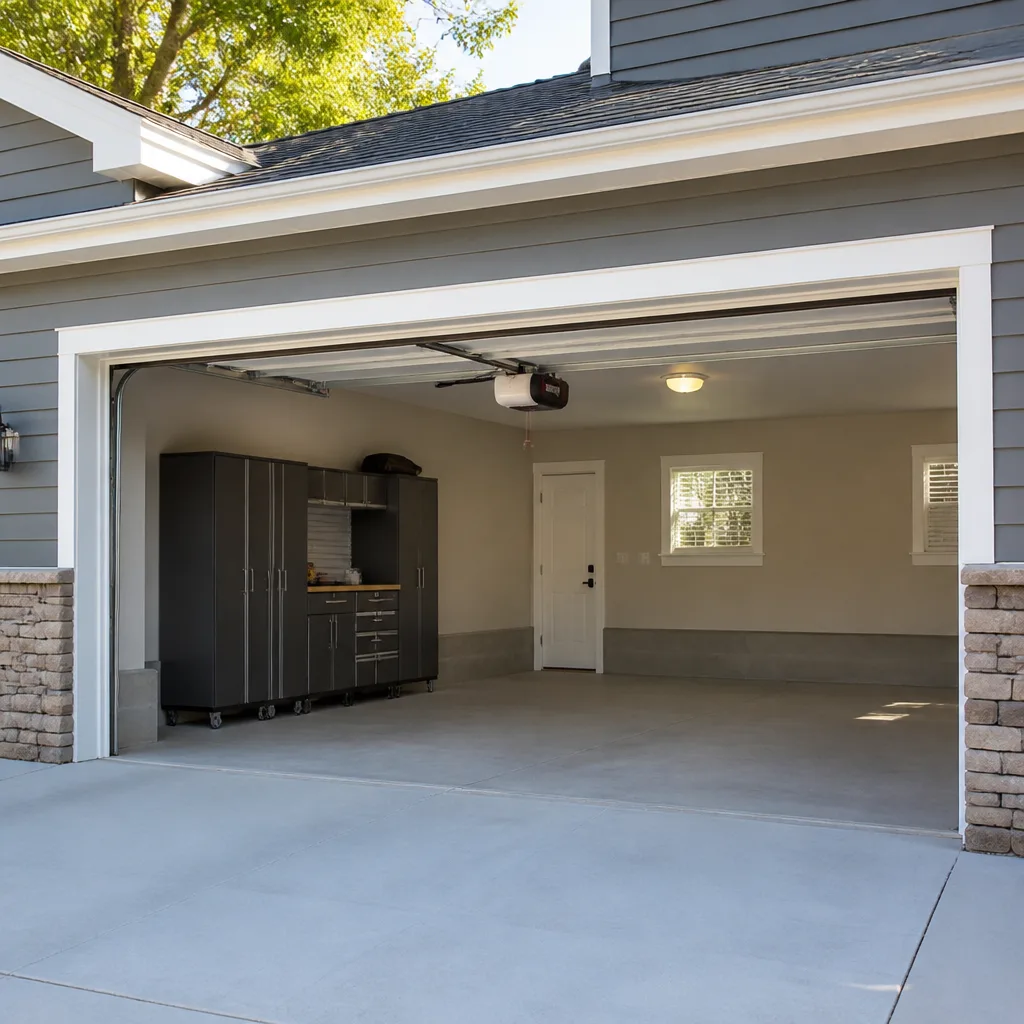 LiftMaster openers
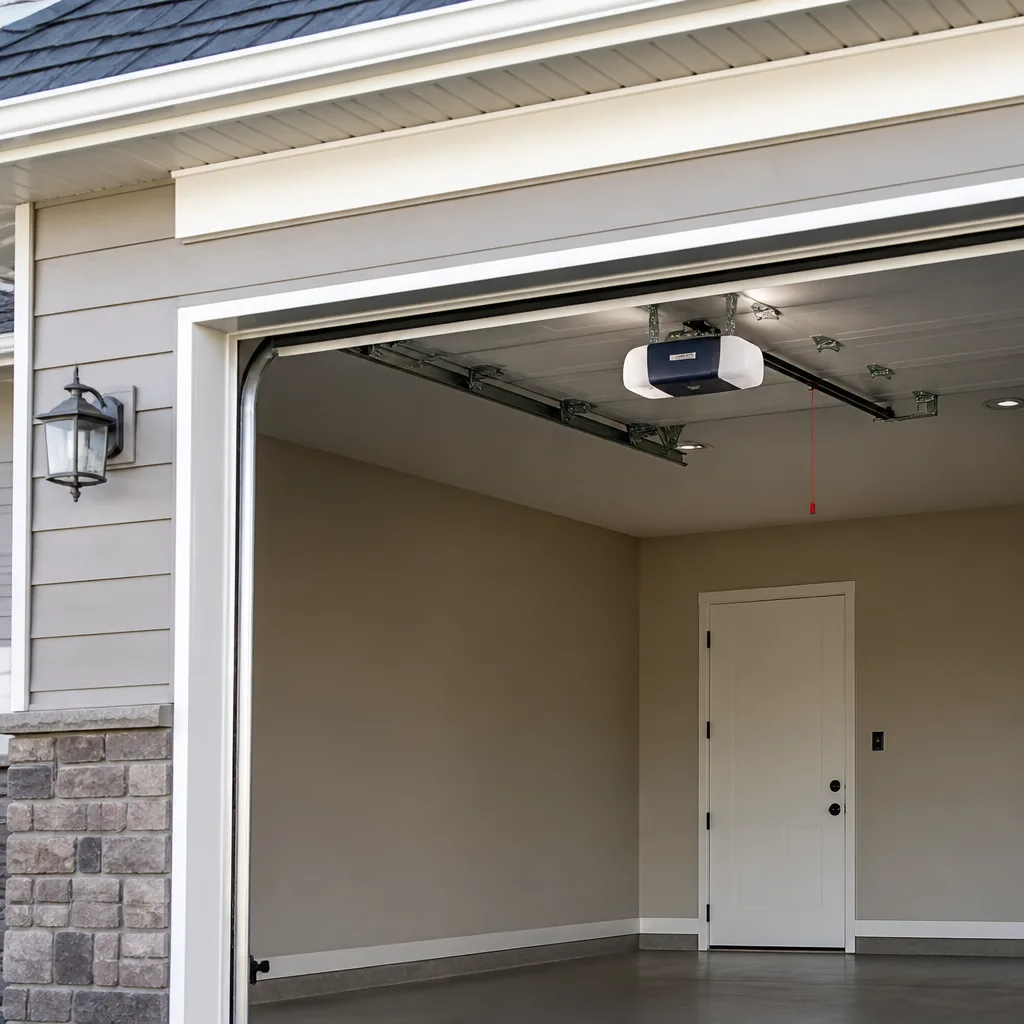 Chamberlain openers
Full 25-point door and opener safety check with every visit - springs, cables, rollers, tracks, and your LiftMaster or Chamberlain opener included
You get a price before we start. It does not change when the pro arrives.
Get your free estimateDIY vs Professional Garage Door: The College Park Homeowner’s Decision Guide
Most advice on garage door repair splits into two useless camps. One says watch a video and handle it yourself. The other says call a professional for every squeak. Both miss the real question, which is whether a particular task carries a physical injury risk that no tutorial can remove. Torsion springs store enough energy to break a wrist or worse, and that’s not a disclaimer at the bottom of a page, it’s physics. But swapping a bottom weatherstrip or reprogramming a keypad is genuinely a task many College Park homeowners can do themselves on a free afternoon. This guide draws the line task by task, explains the tool math, and shows when a failed DIY attempt costs more than the professional call would have.
Styles & brands we work with
- Raised-panel steel
- Carriage house
- Modern flush
- Full-view glass
- LiftMaster openers
- Chamberlain openers
Quick Answer
Some garage door tasks are safe for a mechanically competent homeowner, and some are not, and the dividing line is stored energy. Lubrication, weatherstripping, keypad programming, track cleaning, and visual inspections are reasonable DIY work. Torsion spring replacement, cable work, and opener motor or high-voltage electrical repair belong with a trained professional. College Park Garage Door Repair Pros works on the brand you already have and quotes a written price before any work begins.
Table of Contents
- Why This Isn’t Really About Skill Level
- The Task-by-Task Breakdown: Safe to DIY, Caution, or Always Hire
- Torsion Springs vs Extension Springs: Two Very Different Risks
- What Tools You Actually Need (and What to Skip)
- How to Assess Your Door and Opener Before Deciding
- The Honest Cost Comparison: When DIY Saves and When It Costs More
- What College Park Homes and Climate Mean for Your Door
- Common Mistakes to Avoid
- When to Call a Professional
- Frequently Asked Questions
- The Bottom Line
Why This Isn’t Really About Skill Level
The usual framing of DIY versus professional garage door work assumes the deciding factor is how handy you are. It isn’t, or at least it isn’t the first thing. The first thing is the type of force involved in the task.
A garage door is the single heaviest moving component in most residential houses. A typical double door weighs between one hundred and several hundred pounds, and the springs, not the opener, do the lifting. When a spring is wound, it holds enough stored energy to snap a cable across the room or throw a bar into the ceiling. When it’s a weatherstrip, the worst outcome is a drafty door and a twenty-minute redo.
That’s why the honest answer to the DIY question depends on which task you’re looking at, not whether you own a socket set. A homeowner who has rebuilt small engines has no business near a torsion spring. A homeowner who has never picked up a wrench can safely replace a bottom seal on a Sunday afternoon.
Our technicians have up to 12 years of experience, and the pattern we see across College Park homes is consistent: the failures that turn into expensive calls are almost always spring and cable jobs where the homeowner got through the first two-thirds of a tutorial before the physics caught up. The fix is to sort tasks before you start, not after.
The Task-by-Task Breakdown: Safe to DIY, Caution, or Always Hire
Here’s the breakdown we would give any College Park neighbor who asked over the fence. Use it as a checklist before you buy parts.
Safe to DIY (no stored energy risk, no electrical panel access)
- Lubricating rollers, hinges, tracks, and spring coils. A spray lubricant on metal-on-metal contact points quiets the door and extends roller life. No disassembly required.
- Replacing the bottom weatherstrip. This is the rubber seal at the bottom edge. Slide the old one out, slide the new one in, adjust for a flush seal with the floor.
- Reprogramming a keypad or remote. Every controller has a pairing sequence in the manual. No tools, no risk.
- Replacing opener remote batteries. Trivial, but worth mentioning because a dead remote is often mistaken for an opener failure.
- Cleaning the tracks with a damp cloth. Grease and grit build up along the inside of the rails, and a clean track runs smoother.
- Tightening visible hinge and bracket bolts with a wrench. A door that rattles often has loose fasteners, not broken parts.
- Visual inspection of cables, springs, and the door balance. Looking, not touching, is always safe. More on the balance check below.
DIY with caution (requires care and a helper, but no stored-energy risk)
- Adjusting the travel limits on the opener. This changes how far the door runs before it stops. Follow the opener manual carefully, and check the safety reversal after every change.
- Replacing worn rollers. The door must be down and at rest, and each roller comes out of the hinge one at a time. Don’t work with the door up.
- Replacing the photo-eye safety sensors. Usually a two-wire swap with the reconnection done at the opener head. Get the alignment and the beam height right, or the door will refuse to close.
- Replacing a wall-mounted control button. Low-voltage wiring only, and only with the opener unplugged. If the wiring runs into a junction box, hire it out.
Always hire a professional
- Torsion spring replacement or adjustment. These are the springs mounted on the header above the door. Winding them requires two proper bars, a winding chart for the specific door weight and height, and the training to know when the spring is loaded. A slip can break a wrist or worse.
- Extension spring replacement and safety cable work. Extension springs run along the horizontal track. They’re stretched, not wound, but a load of stored tension is still released when the cable comes off. Safety cables are their backstop, and the working method matters.
- Any cable replacement. The cables hold the door’s weight against the springs. Releasing one with the springs even partly loaded will let the door fall.
- Opener motor, capacitor, or logic board replacement. This is a real electrical job, often at mains voltage inside the opener head. That is garage door opener repair work for a trained technician.
- Panel replacement after impact damage. Panels carry the door’s structure. A panel swapped without rebalancing the springs leaves the opener fighting the door and shortens its life.
- Any attempt to rebalance a door by shortening springs or changing the track position. Springs are matched to door weight. Changing them is a measurement and calculation job, not a trial-and-error one.
Torsion Springs vs Extension Springs: Two Very Different Risks
Homeowners often lump all garage door springs together. They are not the same animal, and neither is a reasonable DIY project.
Torsion springs are the heavy coils mounted on a metal shaft above the door. They’re wound, and that winding stores energy that releases the instant you let go. Replacing them means understanding wire gauge, inside diameter, and the number of winds the door’s weight and height require. Winding bars are the right tool, and the correct tool only helps if you also know how many quarter-turns the spring needs. Guessing wrong leaves the door heavy, the opener strained, or in the worst case sends a bar through drywall and into the ceiling.
Extension springs run along each side of the horizontal track. They stretch rather than wind, but they still hold real tension, and they are known for the kind of sudden failure that leaves a door hanging on one side. Safety cables run through each spring to contain a break. Getting those cables routed correctly and the springs matched to door weight is a two-person job with no margin for improvisation.
The practical distinction for a College Park homeowner is this: torsion spring repair and extension spring repair both fall on the professional side of the line. Our garage door spring repair service exists precisely because that line is where most well-intentioned DIY attempts go wrong. We carry the tools and the sizing charts, and we know when a spring is the wrong one before we wind it.
If you hear a bang from the garage and the door won’t lift, that’s not a diagnostic task. Stop, don’t force the opener, and call a technician.
What Tools You Actually Need (and What to Skip)
The tool math on DIY garage door work is simple: buy tools that pay for themselves over the life of the door, and don’t buy tools you’ll use once on a task you shouldn’t be doing anyway.
Worth owning for DIY-appropriate work
- Adjustable wrench and socket set. Hinge bolts and bracket fasteners are the most common loose items.
- Spray lubricant with a straw nozzle. One can lasts a couple of seasons on a typical door.
- Step ladder you already own. Needed for anything at the opener head or track height.
- Flashlight or headlamp. Garage lighting is poor on the spring side of the door.
- A straightedge, level, and a wood block. For weatherstrip and bottom-seal alignment.
- Gloves that fit well. The bottom seal and spring coils both have sharp edges.
Skip buying, unless you’re already a technician
- Winding bars. These are a spring-specific tool. Buying a pair makes sense only if you’re doing professional-level spring work, which is the work this guide recommends against.
- A spring winding chart and door weight calculator. Not consumer tools. You won’t get the right answer with a rough measurement.
- Track brackets and torsion shaft components. These are loaded parts during installation. Without training, harmless-looking hardware can become a hazard.
- A multimeter for opener wiring. Only matters if you’re already comfortable with low-voltage electrical work, which is beyond the DIY scope in this guide.
The rule of thumb: if the tool appears on a professional’s truck and not at your neighborhood hardware store counter, the task is probably one to leave to a pro. College Park is a Maryland market with a lot of older homes and mixed door hardware, so a technician with the right tool in the truck often saves money on the call itself.
How to Assess Your Door and Opener Before Deciding
Before you commit to any garage door project in College Park, run through this assessment. It takes ten minutes and changes the answer.
- Identify the door brand and model if you can. Brands like Clopay and Amarr are common on this area’s homes, and each has its own panel and spring sizing. A photo of the interior sticker or header usually identifies the model.
- Look at the springs. Torsion springs are the coils above the door; extension springs are the coils on the horizontal tracks. If it’s torsion, most tasks are professional-only right away.
- Test the door balance with the opener disconnected. Pull the emergency release and lift the door about halfway. It should hold roughly where you leave it. If it slams down, the springs aren’t carrying the weight and the door is unsafe to operate.
- Inspect the cables for fraying or slack. Look at the cables on each side of the door. Any sign of wear means call a technician before the door moves again.
- Identify the opener brand and drive type. Belt, chain, and screw drive openers have different service needs. Common brands in College Park garages include Craftsman and Wayne Dalton, and each has quirks around travel limits and force settings.
- Check the safety reversal. Put a block of wood or a roll of paper towels on the floor, close the door, and see if it reverses on contact. If it doesn’t, fix that before anything else.
- Note the door age and weight. A door over a certain age with original springs, or a heavy double door, moves the line toward professional work for anything structural.
If any step comes back a red flag, stop. Our garage door repair team can diagnose on the spot, and emergency garage door service is available when a door won’t open or won’t close and you’re out of options.
The Honest Cost Comparison: When DIY Saves and When It Costs More
DIY saves real money on a narrow set of tasks and loses money on everything else. Here’s the honest accounting.
When DIY genuinely saves
- Lubrication and cleaning. A few dollars of spray lubricant and a rag will extend the life of rollers and tracks. No professional call is worth it for this alone.
- Weatherstrip and bottom seal replacement. A new seal is inexpensive and the install is genuinely within reach. The savings are real.
- Keypad and remote programming. Free to do. No reason to pay anyone.
- Roller replacement. The parts cost less than the call, and this is a within-reach project for a careful homeowner.
When DIY costs more than the professional call
- Snapping a torsion spring. A mis-wound or released spring can damage the shaft, the cables, or both, and the repair then costs more than the original job would have.
- Dropping a door. A cable released with loaded springs can let a several-hundred-pound door fall. The panel damage typically exceeds any savings.
- Burning out an opener. Force settings changed without understanding the door’s balance can cook the opener’s motor or gears. That’s a full opener replacement, not a repair.
- Wrong-part spring purchases. A spring with the wrong wire gauge or inside diameter won’t balance the door. Buying twice costs more than the estimate.
We quote and agree the price before any work begins, and the written estimate sets the final price. That means you know the professional number up front and can compare it honestly to the DIY risk. If a quote comes in higher than a second-hand estimate, ask why. We’ll tell you what the extra work involves. Call (844) 622-0665 for a free estimate on any garage door job in College Park.
What College Park Homes and Climate Mean for Your Door
College Park’s mix of mid-century homes, older brick fascias, and new construction means almost every block has a different garage door setup. Three things show up over and over in this city.
Seasonal temperature swing. Maryland summers reach into the nineties and winters drop well below freezing, and that range shows up on garage doors as expanded and contracted wood, stiffened weatherstrip, and spring tension that feels different in January than in July. A door that sticks in summer may bind in winter. Lubricating rollers and hinges twice a year is a legitimately useful local habit.
Older homes with original springs. Many College Park houses have doors and springs older than the current homeowner. Aged springs are the most common reason we get called about a door that suddenly won’t lift. If your spring has never been replaced and the door has gotten noisier or heavier, that’s worth a professional look.
Tree cover and debris. The mature trees in College Park and the neighborhoods around the university drop leaves and twigs onto driveways, and grit drifts into the tracks. Cleaning the tracks is a seasonal chore that pays for itself.
If you’re weighing a repair against a full replacement, a College Park Garage Door Repair Pros technician can tell you whether the panel, spring, and opener are each worth keeping. Repair first is the position we take unless the door itself is the problem.
Common Mistakes to Avoid
- Treating spring work as a beginner project. Torsion springs store enough energy to cause serious injury, and more than a few College Park homeowners have discovered that stored energy with one wrong turn of a winding bar. If the task involves springs or cables, it’s not a DIY project.
- Changing the force settings to “fix” a heavy door. A door that struggles to open usually needs a spring adjustment, not more opener force. Cranking the force setting strains the opener and shortens its life.
- Buying a universal spring online. Springs are sized to door weight and height. A wrong-gauge spring can leave a door unsafe or fail prematurely. We see this often in College Park homes where a homeowner tried to save a call.
- Ignoring the safety reversal test. A door that won’t reverse on contact is a hazard, and it’s a five-minute fix to test. Test it monthly.
- Working with the door up. Roller and hinge work should be done with the door closed. Working with the door open puts spring tension near your hands.
- Skipping lubrication for years. Rollers and hinges wear out faster without a bi-annual spray, and a stiff door loads the springs even more.
- Assuming a non-closing door needs a new opener. A misaligned photo-eye or a jammed track is often the real culprit. A diagnosis costs less than a new opener.
When to Call a Professional
Some situations genuinely call for a professional, and knowing which is straightforward. A broken torsion spring, a snapped cable, a door hanging on one side, or a garage door that won’t close all belong with a technician, not a weekend project. If you hear a gunshot-like bang from the garage and the opener runs but the door doesn’t move, the spring has failed. If the door drops when you try to lift it by hand, the springs are no longer carrying its weight. If an opener is buzzing, tripping a breaker, or making grinding sounds from the head unit, that’s an electrical and mechanical diagnosis.
College Park Garage Door Repair Pros offers free estimates in College Park and works on the brand you already have, whether that’s your original Clopay door or a Wayne Dalton opener. Our technicians are experienced, emergency garage door service is available when a door fails outside our usual hours, and work is quoted before it starts. Call (844) 622-0665 to book a visit.
Frequently Asked Questions
No. Torsion and extension springs both hold stored energy that releases with force when disturbed, and a mistake can cause serious injury. Spring replacement is a trained-professional job, and our garage door spring repair service exists to handle it safely with the right tools and sizing. Call (844) 622-0665 for an estimate.
Yes, in most cases. Bottom weatherstrip and roller replacement are within reach for a careful homeowner, provided the door is down and at rest and the springs are in good shape. If you’re unsure about the door’s condition, a quick professional check is worth the call.
Lubrication, cleaning the tracks, replacing the bottom seal, reprogramming a remote or keypad, checking the safety reversal, and replacing opener batteries are all safe. Tightening visible hinge bolts and looking at the cables for wear are safe too. Anything involving springs, cables, or the opener’s motor is a professional job.
Yes. Emergency garage door service is a core offering, and we’re open Sunday through Friday, 7am to 7pm, and closed Saturday. If a door fails on a Saturday, call us and we’ll book you for Sunday. Call (844) 622-0665. A door stuck open is a real safety concern, so call before you try to force it closed.
In most cases, yes. We work on Clopay, Amarr, Wayne Dalton, Craftsman, LiftMaster, Chamberlain, Genie, and Raynor systems, and we diagnose and repair what’s installed rather than pushing a replacement. If you’re not sure what you have, a photo of the door and the opener head is usually enough for us to identify it.
No, our written estimate sets the final price. We quote and agree the price before any work starts, so the number you see is the number you pay. If additional problems turn up during the job, we stop and re-quote before proceeding. Call (844) 622-0665 for a free estimate.
The Bottom Line
The DIY versus professional question has a cleaner answer than most garage door content gives it. Lubrication, weatherstripping, roller swaps, and programming are safe for a careful homeowner. Torsion spring repair, extension spring replacement, cable work, opener electrical repair, and impact panel replacement are not, because the stored energy in a spring is a physical reality, not an insurance talking point. Run the seven-point assessment before you buy any part. If any answer comes back wrong, call a technician. Repair first, replace only when necessary, and get the price in writing. College Park Garage Door Repair Pros works on the brand you already have and can be reached at (844) 622-0665 for a free estimate on any garage door need.
Written by the team at College Park Garage Door Repair Pros.
See the difference
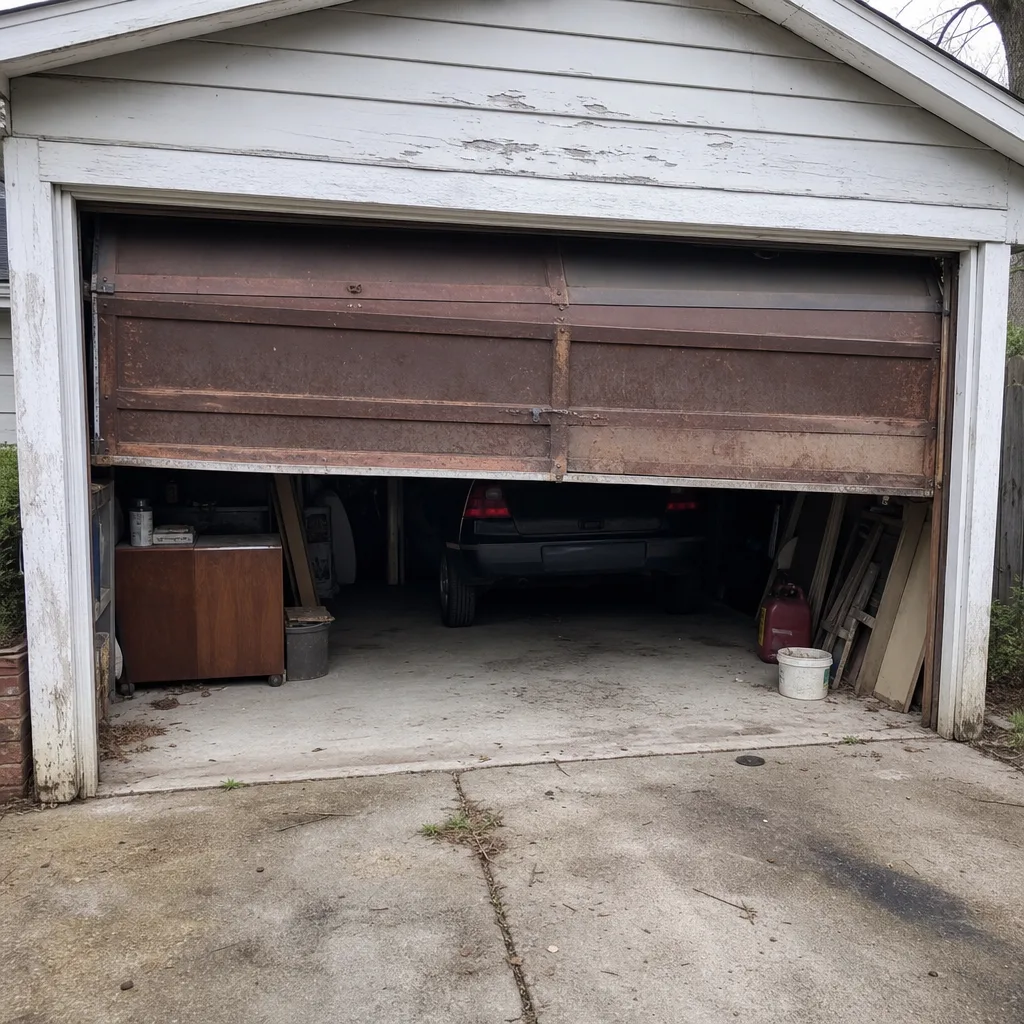 Before
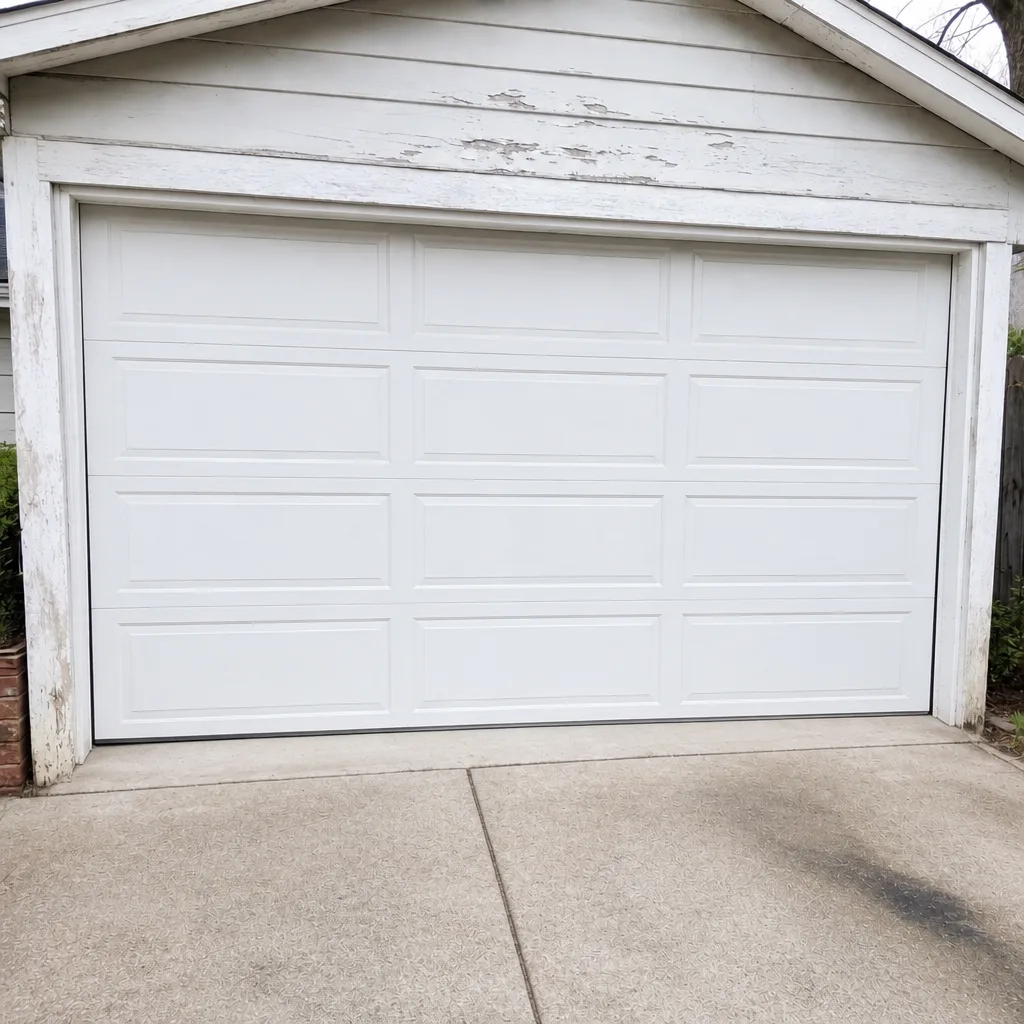 After
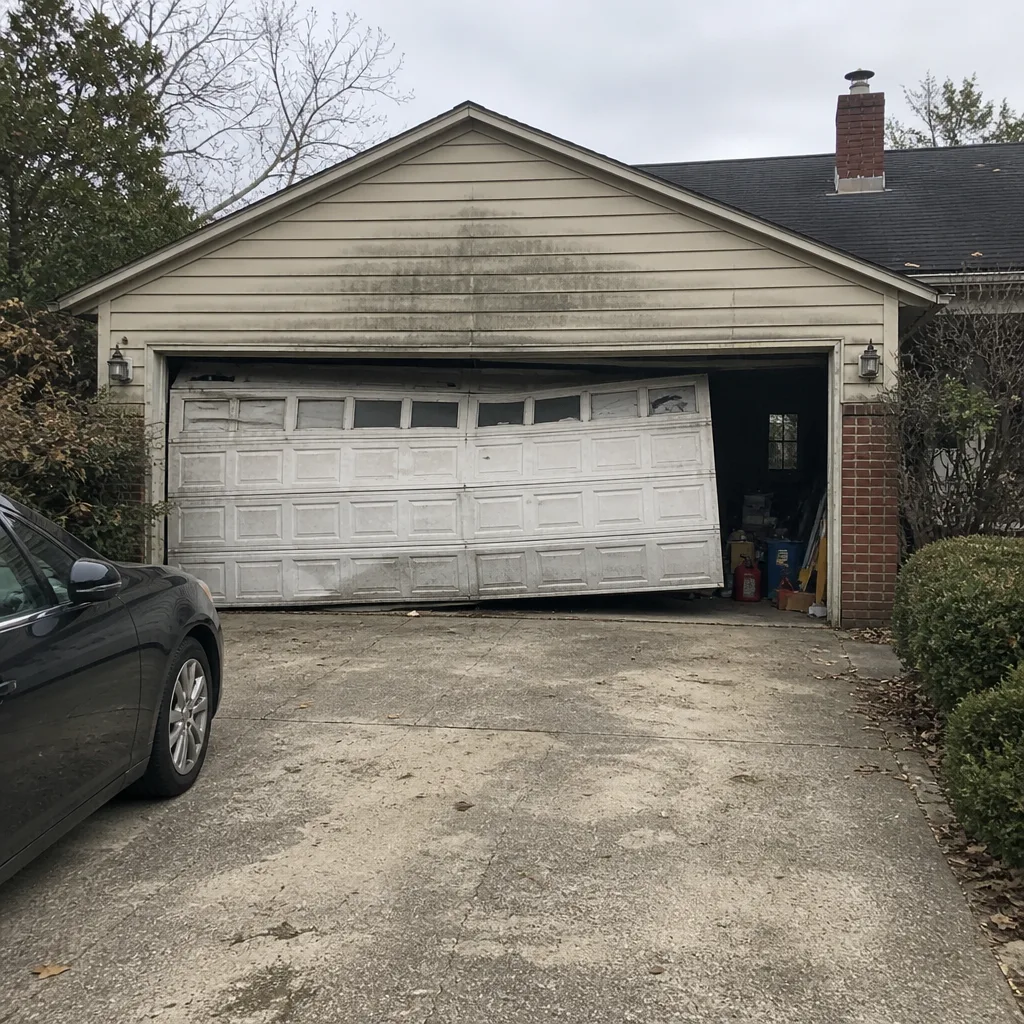 Before
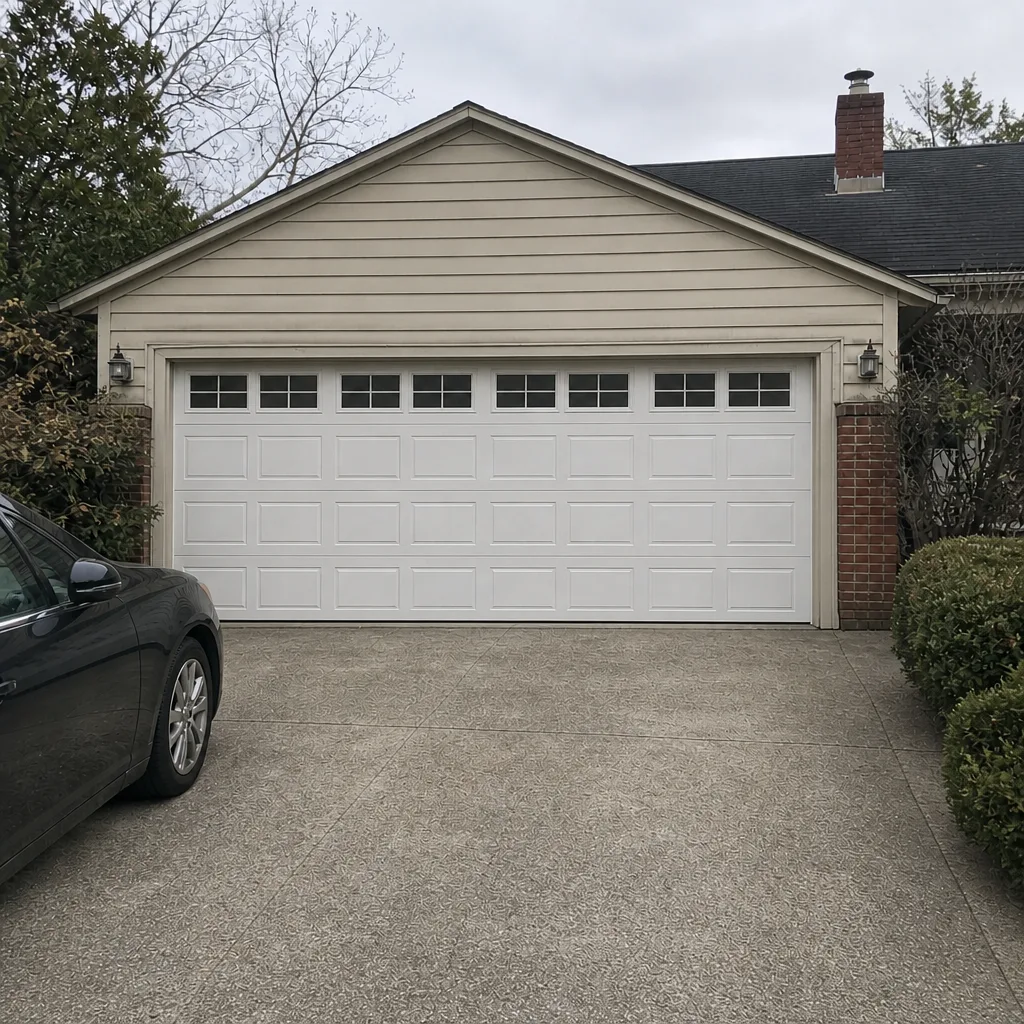 After
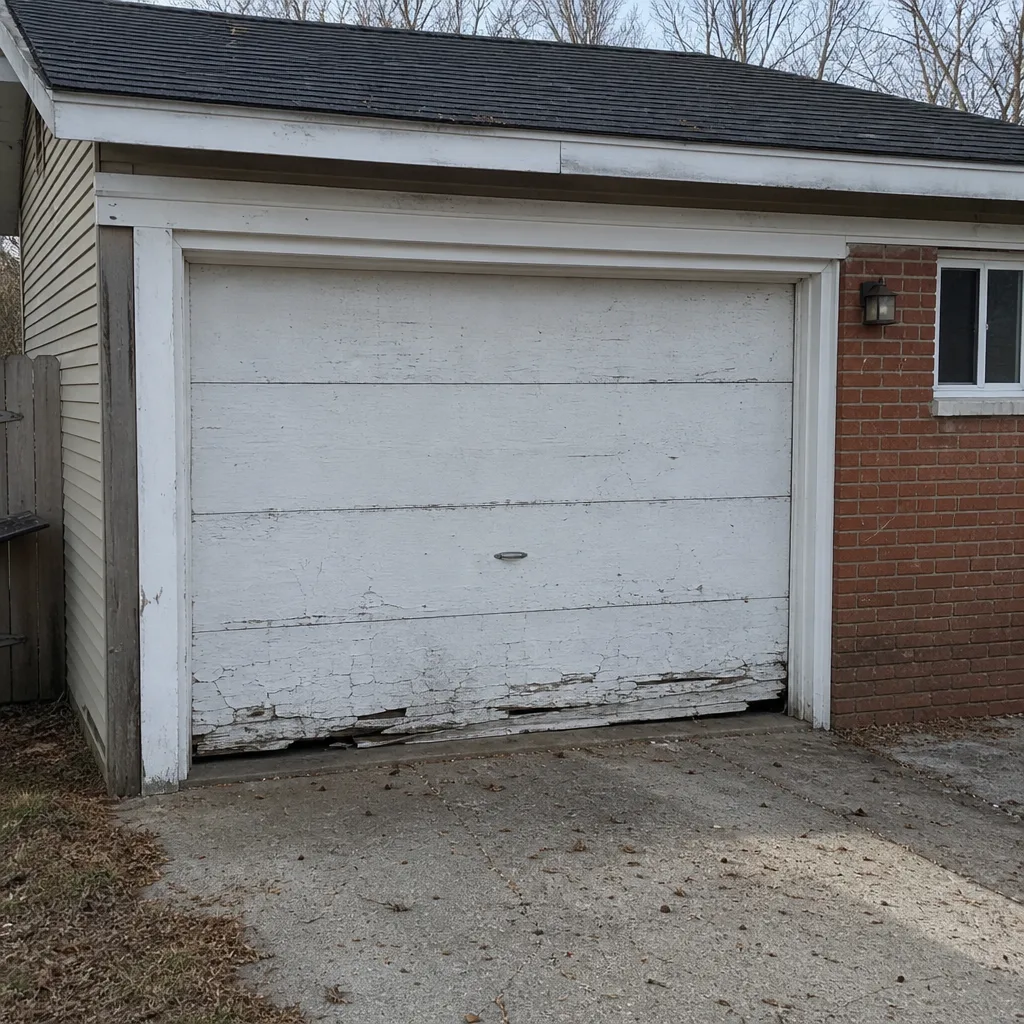 Before
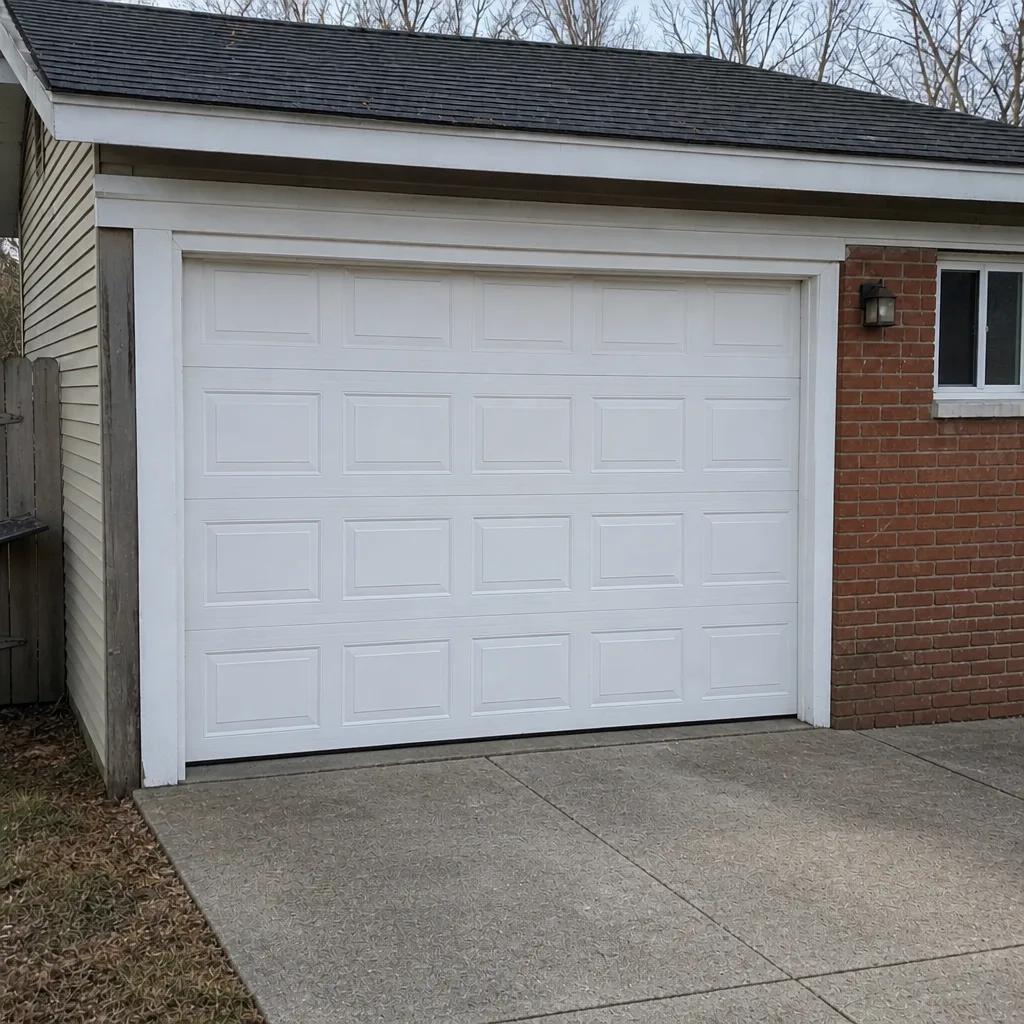 After