Last updated November 23, 2026
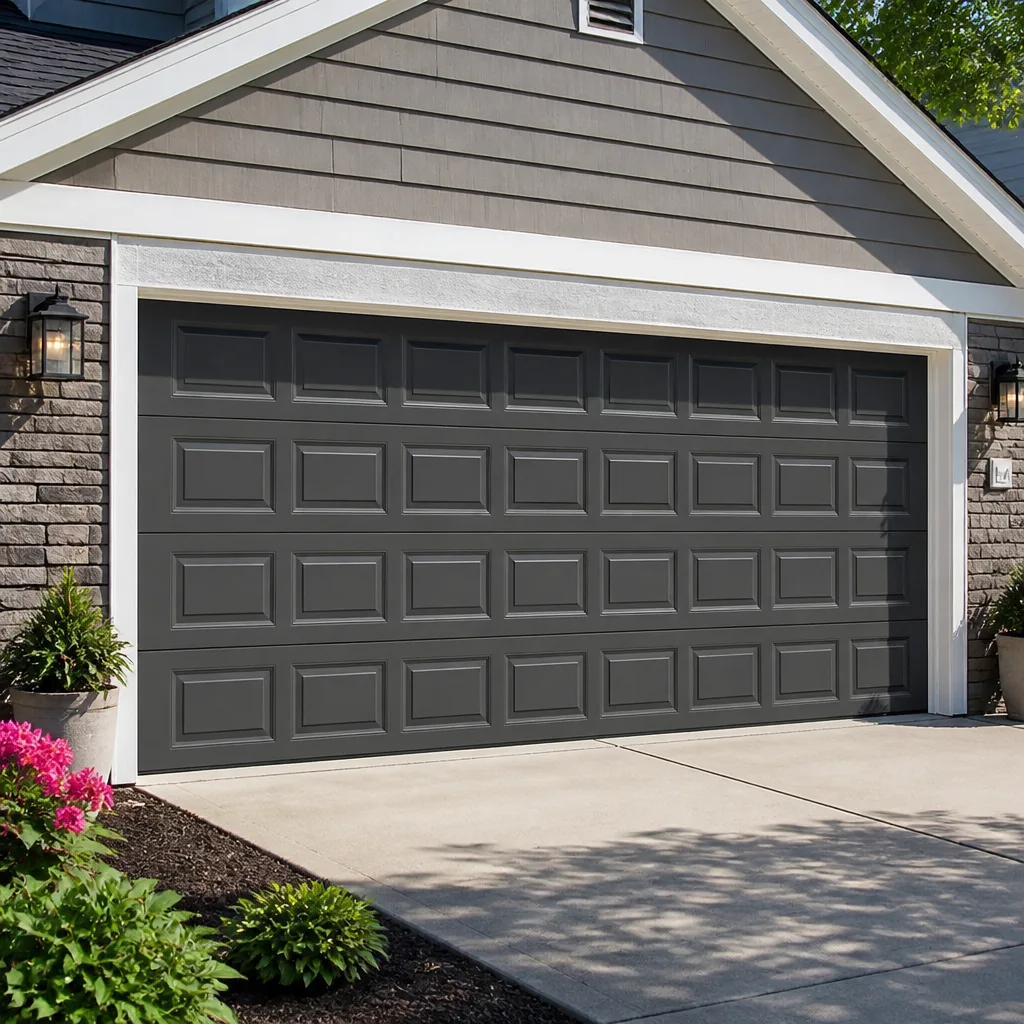 Raised-panel steel
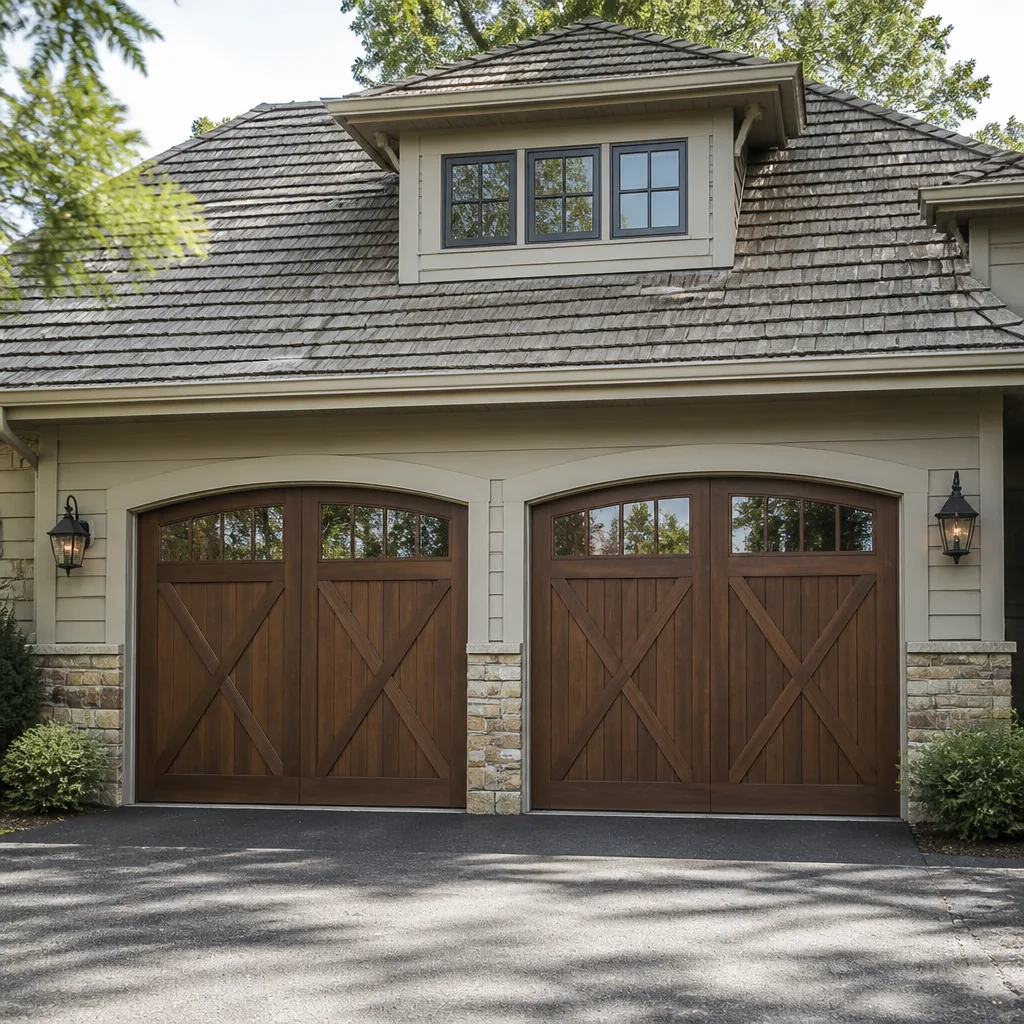 Carriage house
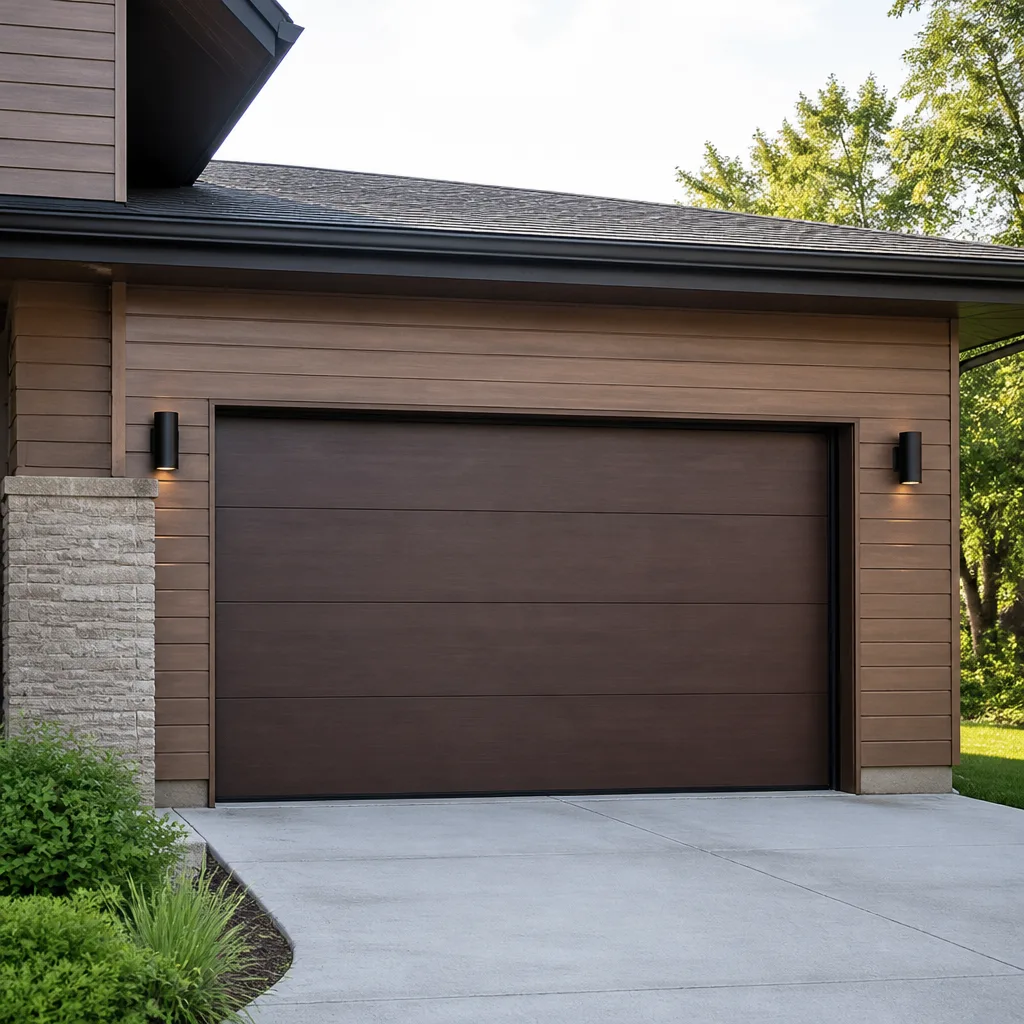 Modern flush
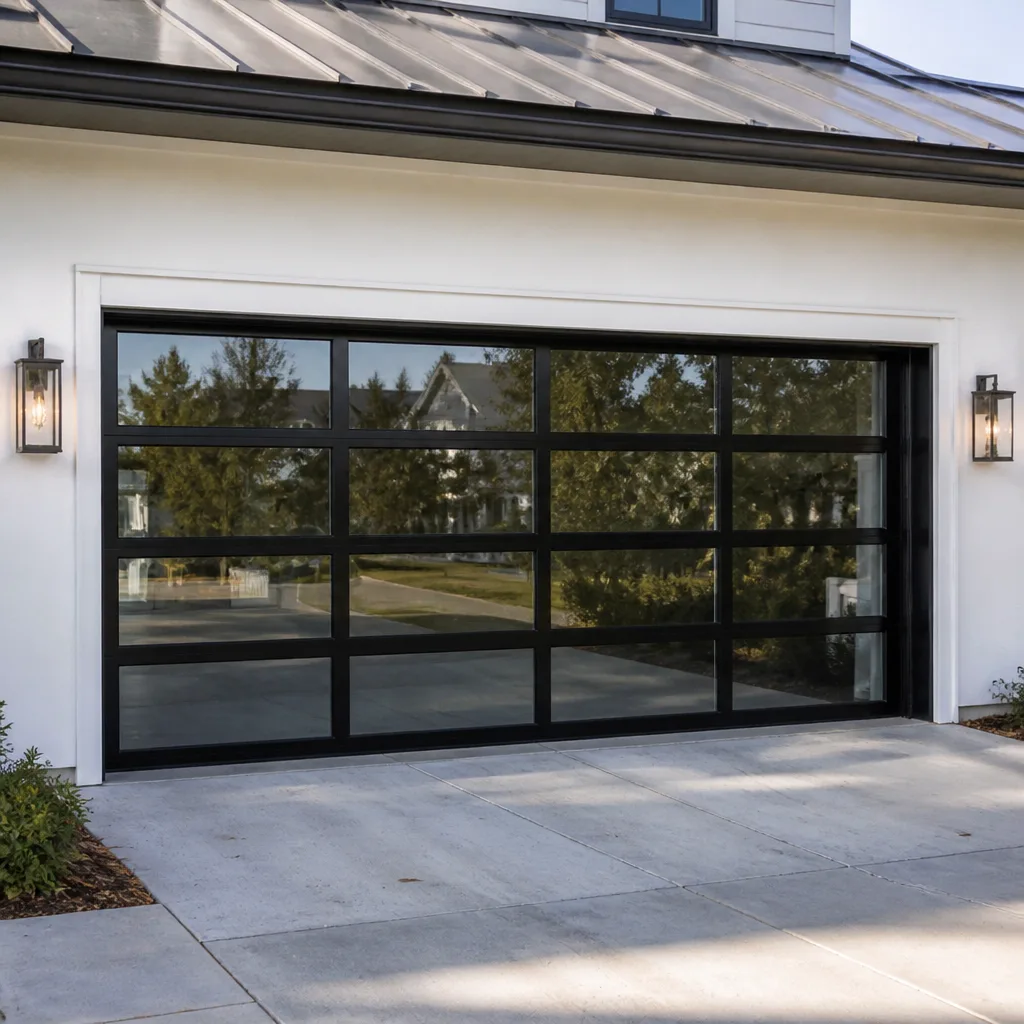 Full-view glass
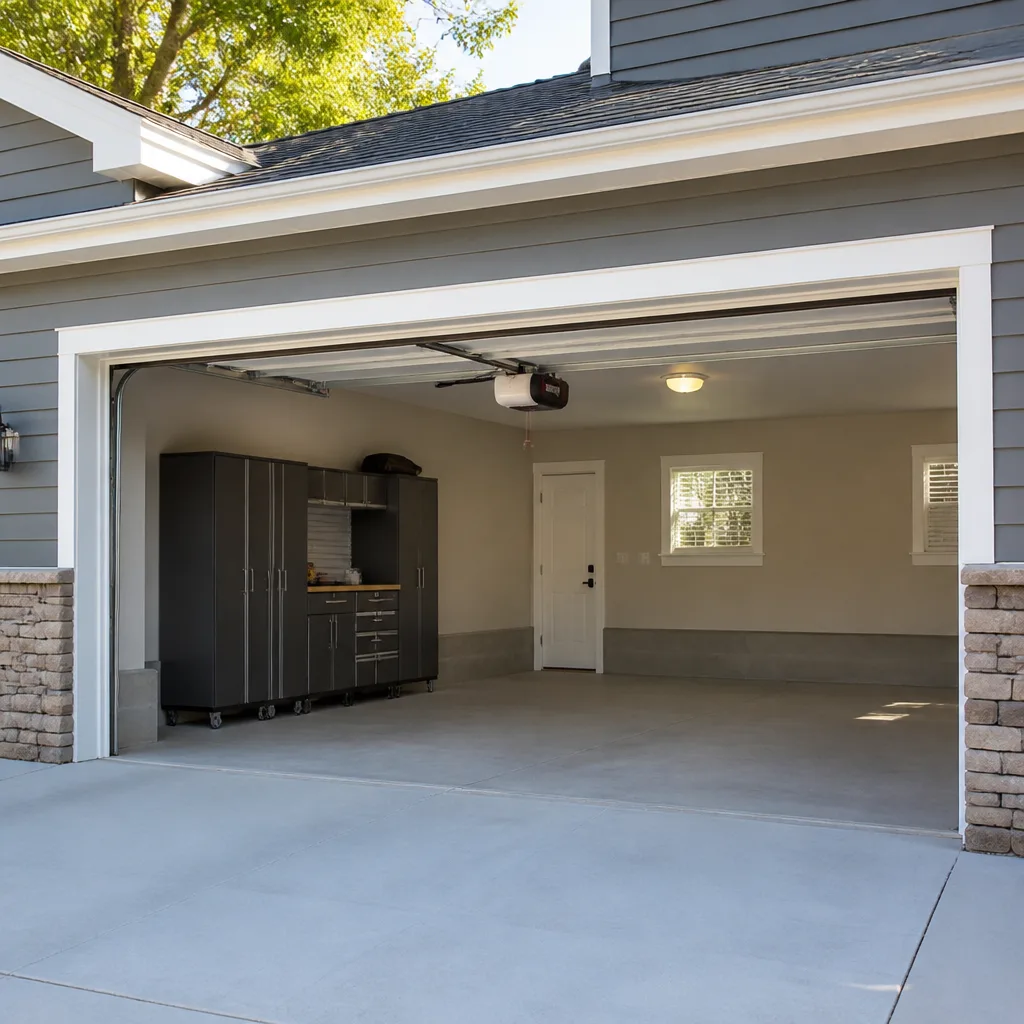 LiftMaster openers
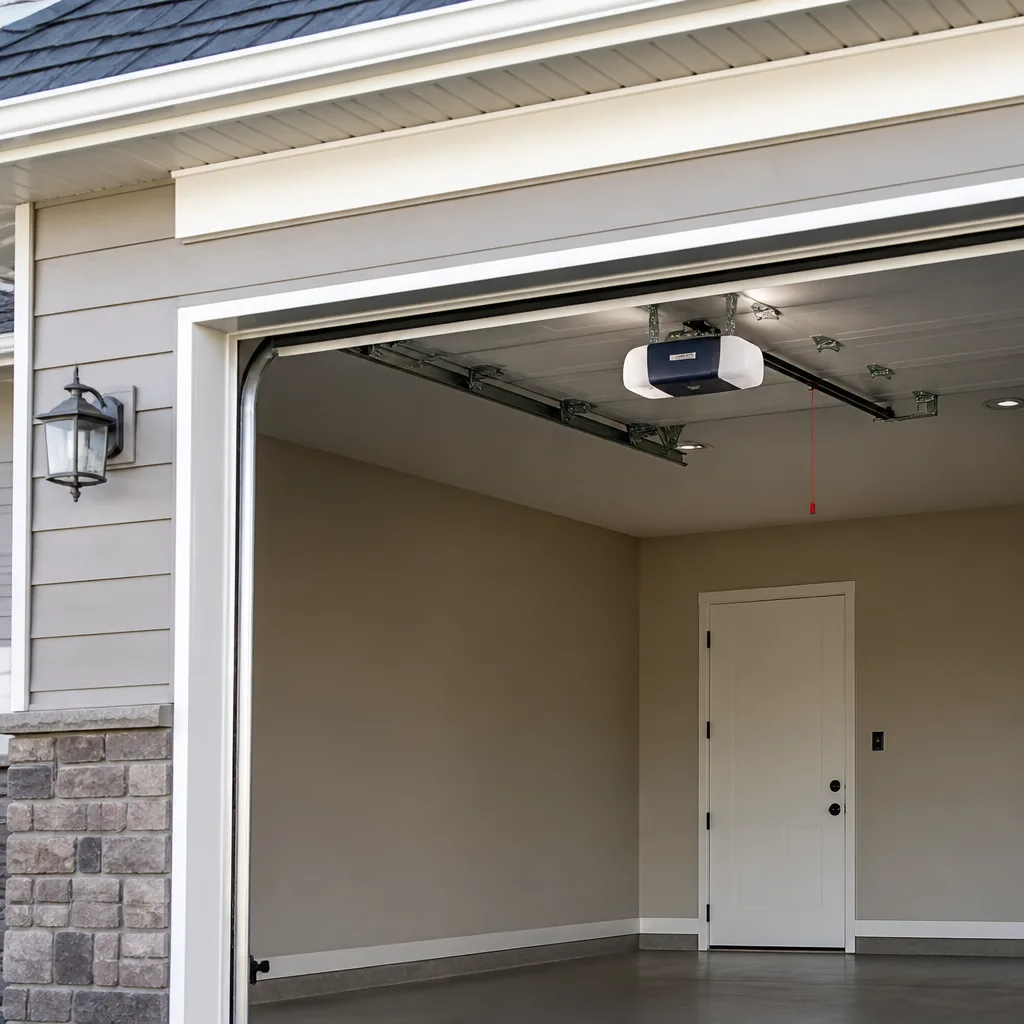 Chamberlain openers
Full 25-point door and opener safety check with every visit - springs, cables, rollers, tracks, and your LiftMaster or Chamberlain opener included
You get a price before we start. It does not change when the pro arrives.
Get your free estimateGarage Door Repair Maintenance Checklist for College Park Homeowners
Most homeowners assume the emergency calls come from snapped springs or dead openers. More often, a College Park door fails because nobody greased the rollers and hinges. That quiet neglect lets a door run stiff until it bends a track or strips an opener gear, turning a small fix into a much bigger bill. This guide is a working checklist built around the failures we actually see here: seasonal humidity, spring pollen, and freeze-thaw swings. Read it once, then use the task matrix below to stay ahead of the breakdown.
Quick Answer
A solid garage door maintenance routine in College Park means lubricating rollers, hinges, and the opener rail monthly to quarterly, visually checking springs and cables without touching them, inspecting weatherstripping before summer humidity and again before winter road salt, and running a two-minute safety test on the opener’s force and auto-reverse settings. Most of this takes an evening a month and prevents the deferred-maintenance failures that turn into emergency repairs.
Styles & brands we work with
- Raised-panel steel
- Carriage house
- Modern flush
- Full-view glass
- LiftMaster openers
- Chamberlain openers
Table of Contents
- Why Deferred Maintenance Costs More in College Park
- The College Park Task-and-Frequency Matrix
- Lubrication: Where to Grease and What Not to Spray
- Checking Springs and Cables Without Touching Them
- Weatherstripping and the Route 1 Road-Salt Problem
- The 3-Minute Opener Safety Test
- Opener Maintenance Across Drive Systems
- Common Mistakes to Avoid
- When to Call a Professional
- Frequently Asked Questions
Why Deferred Maintenance Costs More in College Park
A garage door is a balance of tension, weight, and motion. Torsion or extension springs lift a door that can weigh hundreds of pounds, and the opener only has to nudge a properly balanced door along. When rollers seize and hinges dry out, the door stops moving freely, and that resistance has to go somewhere. The opener motor works harder, the cables take uneven load, and the track flexes. In our experience, that is how a small lubrication job turns into a bent track, a stripped opener gear, or a snapped cable.
College Park makes this worse in a few specific ways. Our summers run humid, and humidity is the enemy of a smooth-running door: it accelerates rust on steel rollers, swells wooden door panels, and degrades the seals around the perimeter. Pollen season coats tracks and rollers with a fine grit that acts like sandpaper against the bearing surfaces. Then winter arrives with freeze-thaw cycles that work at every gap and joint, and the road salt spread around Route 1 and the I-95 interchanges gets tracked onto your driveway and thrown up onto hinges and lower panels.
Add the older housing stock scattered through neighborhoods near the University of Maryland campus and along the Route 1 corridor, and you have doors that have seen plenty of cycles. A lot of these systems are fifteen to thirty years old, running original hardware that simply needs attention. The good news is that the maintenance is cheap and predictable. Ten minutes a month is the difference between a door that runs quietly for years and one that fails at the worst moment. Our College Park Garage Door Repair Pros team would rather help you prevent a failure than rush out to fix one.
The College Park Task-and-Frequency Matrix
Generic checklists tell you to “inspect annually” and leave it there. That’s useless when your local conditions change by the season. Here’s a matrix built around how College Park’s climate actually treats a garage door.
Monthly tasks:
- Look at the springs and cables. Check for visible rust, fraying, or a spring that hangs noticeably slack. Don’t touch them; just observe.
- Run the door up and down once and listen. A new grinding, squealing, or popping sound is a signal to investigate before it becomes a breakdown.
- Run the two-minute opener safety test (see the dedicated section below) to confirm the force and auto-reverse systems are still calibrated.
Quarterly tasks:
- Lubricate rollers, hinges, the bearing plates, and the opener rail with a proper garage-door lubricant. Skip this in months where the door is barely used.
- Wipe down the tracks with a damp cloth to clear pollen grit and grime. Don’t use solvent; just water or a mild cleaner.
- Check that the photo-eye sensors on either side of the door at the floor level are aligned and clean.
Twice a year, tied to the seasons:
- Before summer humidity peaks, inspect weatherstripping along the bottom, sides, and top for cracks, hardening, or gaps.
- Before winter, repeat the weatherstripping check and look at the lower panels and hinges for the earliest signs of rust. Rinse and dry any salt-tracked hardware on the door.
Annually:
- Have the springs, cables, and opener checked by a trained technician. A visual check only catches what’s visible; a technician can measure spring tension and cable condition properly.
- Check door balance by disconnecting the opener (if you know how safely) and lifting the door halfway. It should hold that position. If it drops or rises on its own, the springs are out of balance and need professional attention.
Lubrication: Where to Grease and What Not to Spray
Lubrication is the highest-return maintenance a homeowner can do, and the most misunderstood. The typical mistake is grabbing a can of WD-40 and spraying everything metal. WD-40 is a solvent and light penetrant, not a long-term lubricant. On springs, it strips whatever protective coating remains and leaves the steel dry and exposed, which invites rust. On rollers and hinges, it evaporates and leaves you right back where you started within a few weeks.
What to use: a garage-door-specific lubricant or white lithium grease. A lithium or silicone-based product clings to the bearing surfaces and doesn’t collect dust like heavier oils do. This is a five-to-ten dollar can that will last you a year.
Where it goes:
- Each hinge pivot point. There will be a hinge at every panel joint, and each one has a small pin that benefits from a drop of lubricant.
- Each roller stem and bearing. Spin the roller by hand; if it doesn’t spin freely, that’s the one that needs it most.
- The opener’s rail or chain, following the opener manufacturer’s guidance. A Chamberlain or Genie belt-drive system usually needs less frequent attention than a chain drive, and the belt should stay dry.
- The bearing plates at the ends of the torsion shaft, if your door has them.
Where it does not go: springs. Leave springs alone. They carry enough stored tension to cause serious injury, and adding your own lubricant poorly can accelerate corrosion. If the springs look rusty, that’s a call to a professional, not a can of WD-40. Nor should you lubricate the tracks. Tracks are meant to be clean and dry; oil attracts grit, and grit wears rollers faster. Wipe them down, don’t grease them.
During College Park’s summer humidity, this routine matters more than in a dry climate. Rusted rollers, dried hinges, and sticky springs are all aggravated by moisture, and a quick quarterly greasing is the best protection you have.
Checking Springs and Cables Without Touching Them
Springs and cables are where we see the most dangerous work attempted by homeowners, and where we want you to be careful. Both torsion springs (the horizontal coil above the door) and extension springs (the long springs above the tracks on older doors) are held under extreme tension. Release that tension incorrectly and you can be seriously injured. No amount of YouTube instruction changes that.
What you can safely do is look. A visual inspection catches most warning signs before a failure:
- Look for a gap in the spring. A torsion spring that has snapped usually shows a visible break, often a one to two-inch gap in the coil. If you see a gap, stop using the door and call for help.
- Check for rust and dark staining. A spring that looks orange or shows dark staining along the coil is degrading and is more likely to snap.
- Look at the cables. Cables run along the sides of the door and are under tension. Fraying, kinked, or visibly worn strands are signs you need a pro. Never touch a cable that looks damaged; tension is still present.
- Check the safety cables on extension springs. Older doors with extension springs should have a safety cable threaded through the middle of each spring to contain it if it breaks. If there isn’t one, that’s a real safety concern worth addressing.
- Listen for a pop. A loud bang from the garage when nothing has been moved is often a spring failure. If you hear it, don’t run the door again.
If any of these signs are present, the right move is to stop operating the door and get it looked at. Our garage door spring repair service exists precisely because these parts fail, and a trained technician can measure the tension and replace the spring safely with the right tools.
Weatherstripping and the Route 1 Road-Salt Problem
Weatherstripping is the rubber or vinyl seal around the bottom, sides, and top of the door. It’s the first line of defense against drafts, water intrusion, insects, and road salt, and it takes a beating from College Park’s seasonal swings. In summer humidity it softens and can stick to the floor; in winter it stiffens and can crack along the corners.
Here’s what to inspect, twice a year:
- Bottom seal: close the door and look for daylight underneath. Any daylight, or a seal that’s flattened and no longer making contact, means cold air and potentially water entering.
- Side seals: check the vertical seals along the jamb for gaps and cracking. A seal that’s pulled away lets in the summer humidity and the winter drafts.
- Top seal: the seal at the top of the door and header is often the most neglected. A failing top seal lets rain-driven water and pollen in.
- Road-salt exposure: the bottom inch of the door and the lower hinges are what gets hit by salt from the plowed and salted roads near Route 1 and I-95. Wipe or rinse the lower panels periodically and dry them to slow rust, especially before winter.
- The threshold: the sill or threshold at the base of the opening can get packed with salt and grit. Keep it swept to extend seal life.
Weatherstripping is inexpensive and easy to replace compared to the damage water and drafts do. If the seal is hard, cracked, or has clear gaps, replacing it is a worthwhile afternoon project. If you’d rather not get on a ladder to reach the top seal, our garage door repair team can handle it.
The 3-Minute Opener Safety Test
Your opener has two safety systems, and both should be verified on a regular basis. The first is the photo-eye sensor that stops the door if something is in its path. The second is the force-and-reverse system that detects an obstruction or resistance and reverses the door. Here’s a quick test you can run in under three minutes:
- Test the photo-eye. With the door open, wave a hand or a broom in front of the sensor (mounted at the bottom of each track) while closing the door with the remote. The door should reverse immediately. If it doesn’t, the sensor is misaligned or dirty. Wipe the lenses and try again.
- Test the contact reverse. Lay a two-by-four flat on the floor in the middle of the opening, then close the door. The door should reverse when it contacts the board. If it stops but doesn’t reverse, the force setting is too high or the opener is out of calibration.
- Test the force setting. Hold the bottom edge of the door lightly as it opens (you should feel resistance but not need to force it). A properly balanced door should require minimal force. If the door slams closed or struggles to open, the force limit needs adjusting.
- Recheck after every adjustment. If you change a force or travel setting, run the test again before calling it done.
If any of these tests fail twice after adjustments, stop using the door and have a professional look at it. Now is a good time to mention that the auto-reverse and force systems are the safety-net features that keep a garage door from being a hazard. When a door fails these tests, it should not be operated. Our garage door opener repair service can diagnose whether the problem is the opener itself, the sensor, or the door’s balance.
Opener Maintenance Across Drive Systems
The opener is the part homeowners notice most, because it’s what they use. But it’s also the part most people ignore until it stops working. Most residential openers in College Park fall into a few drive types, and each has its own maintenance notes. We work on the major brands you’re likely to have, including Chamberlain, Genie, Clopay, and Amarr door systems, and our technicians have up to 12 years of experience with these units.
- Chain drive: these are the most common and the most likely to need adjustment as they age. The chain should have a bit of slack and be lubricated according to the manufacturer’s guidance. A chain that’s too tight strains the motor and opener gears.
- Belt drive: these are quieter and need less attention, but the belt should never be lubricated; keeping it dry is the maintenance. Check the belt tension occasionally and look for glazing or fraying.
- Screw drive: these use a threaded rod and generally need very little maintenance; keeping the rod clean and lightly lubricated is the main item.
- Jackshaft and side-mount openers: these mount beside the door on the torsion shaft. Because they share the shaft with the springs, the whole assembly should be inspected together by a professional.
Beyond the drive system, the control board and the safety sensors are the components that cause the most mysterious symptoms, like a door that works with one remote but not another, or a door that reverses for no clear reason. Regular testing catches these early, and that’s where a professional diagnosis saves you a premature full-unit replacement.
Common Mistakes to Avoid
- Spraying WD-40 on the springs. It feels like maintenance but accelerates rust on high-tension parts. Use the right product and leave springs to a professional.
- Lubricating the tracks. Track lubrication attracts grit and dirt, which wears rollers and creates a grinding sound. Clean tracks with a damp cloth and nothing more.
- Ignoring a noisy door. A new noise is a symptom, not a personality. Address the grinding or squealing early before it becomes a mechanical failure.
- Attempting spring repairs yourself. The high tension in torsion and extension springs causes serious injuries every year. Springs are one of the few repairs that should always go to a trained professional with the right tools.
- Skipping the weatherstripping check when the seasons change. In College Park, a soft summer seal becomes a cracked winter seal fast, and water intrusion and salt damage follow.
- Running the door after hearing a loud pop. That pop is often a spring snapping. Running the door again can cause damage to the opener and the cables and is a safety risk.
- Assuming a new opener will fix a door problem. If the door itself is imbalanced or stiff, a new opener will just work harder. Balance the door first; look at the opener second.
When to Call a Professional
Most of the checklist above is safe for a homeowner. Some of it is not. Call a professional when you see a broken spring, a frayed or kinked cable, a door that has dropped or shifted off its track, an opener that fails the safety test twice after you’ve tried adjusting it, or a door that has become noticeably harder to lift. Springs and cables are always a professional job, and a bent track or an opener with a failing control board are best diagnosed by someone who does this daily. In spring, we get a rush of calls from College Park homeowners whose doors stopped working after a humid stretch, and the fix is often a part that was failing for months without a clear symptom.
College Park Garage Door Repair Pros offers free estimates in College Park, and we can be reached at (844) 622-0665. We work on the brand you already have, and repair first, replace only when necessary. If a repair on-site can solve it, we’ll tell you.
Frequently Asked Questions
Quarterly is the practical target for most College Park homes, and monthly during the humid summer months when rust and grit are the biggest problems. Lubricate the rollers, hinges, and opener rail with a garage-door-specific product or white lithium grease, and keep springs and tracks clean and dry.
You can visually inspect them, and that’s it. Look for a visible gap, rust, or dark staining on the spring, and check that older extension springs have a safety cable threaded through them. Don’t touch, adjust, or lubricate the springs; call a professional if anything looks off. Call (844) 622-0665 if you’re not sure what you’re seeing – estimates are free.
A door that reverses unexpectedly usually has a misaligned or dirty photo-eye sensor, a force setting that’s off, or a door that’s become imbalanced. Run the safety test first. If it persists after cleaning the sensors and adjusting the force, it’s usually a sign the door needs professional attention rather than an opener replacement.
Torsion springs mount horizontally above the door and use twisting tension; extension springs are the long springs along the sides on older doors and stretch as the door closes. Both are under high tension and both are dangerous to work on without the right tools. The replacement approach and cost are different, so let a technician confirm which system you have.
Yes, ideally once a year. A professional inspection measures spring tension, checks cable condition, and verifies the opener’s safety systems. It’s the best way to catch a failure before it happens, especially given the freeze-thaw cycles that stress the door hardware here each winter.
Emergency service is available for doors that won’t open, close, or that have failed a safety check. Call (844) 622-0665 and we’ll book the fastest available visit. For same-day requests, we dispatch from 7am to 7pm, and we’re closed on Saturdays, so weekend calls are booked for Sunday.
The Bottom Line
Maintenance is cheaper than repair, and the tasks on this checklist are the highest-value ones you can do. Lubricate the moving parts quarterly with the right product, inspect springs and cables visually every month, check weatherstripping before summer and winter, and run the two-minute opener safety test regularly. That routine catches the failures in College Park before they turn into emergency calls, and it protects the door and opener you already have. When something looks wrong, or when the job needs a professional hand, our garage door opener repair and spring specialists can help. Call (844) 622-0665 for a free estimate.
Written by the team at College Park Garage Door Repair Pros.
See the difference
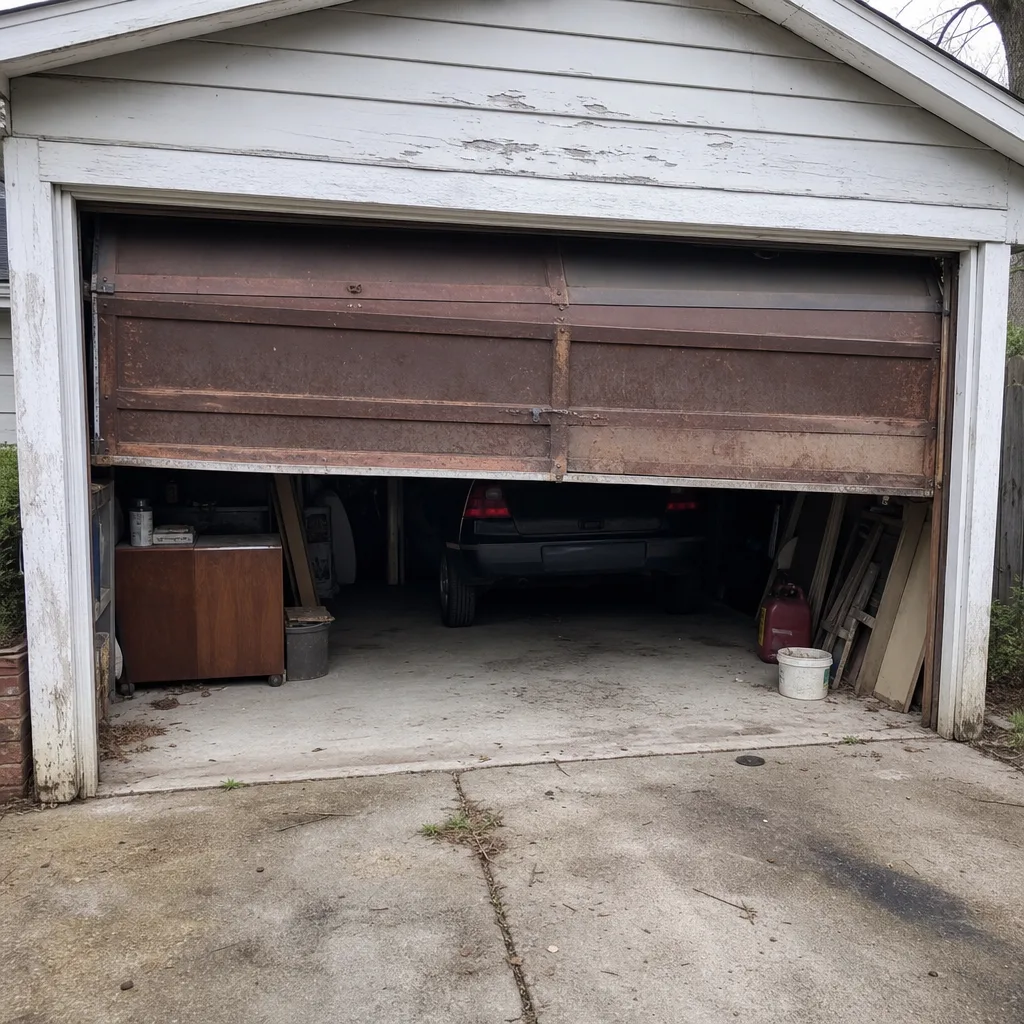 Before
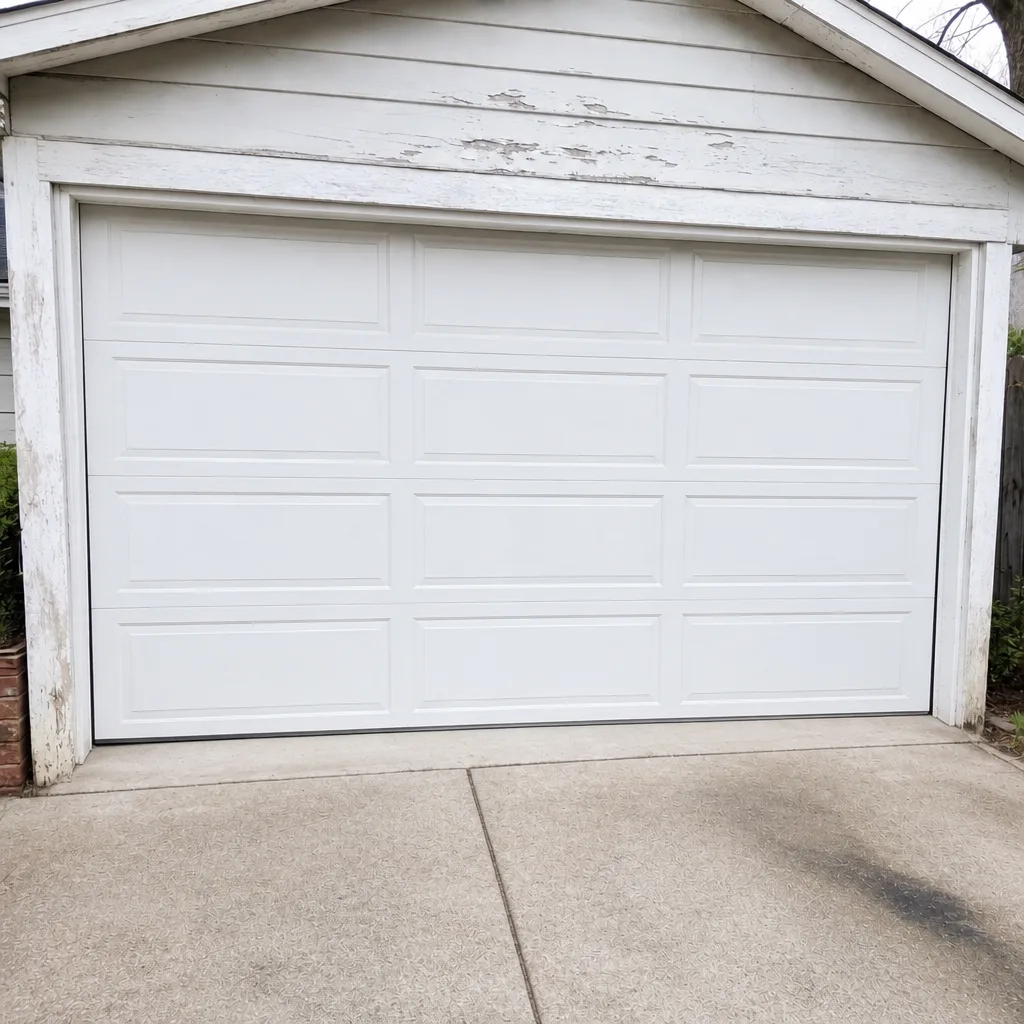 After
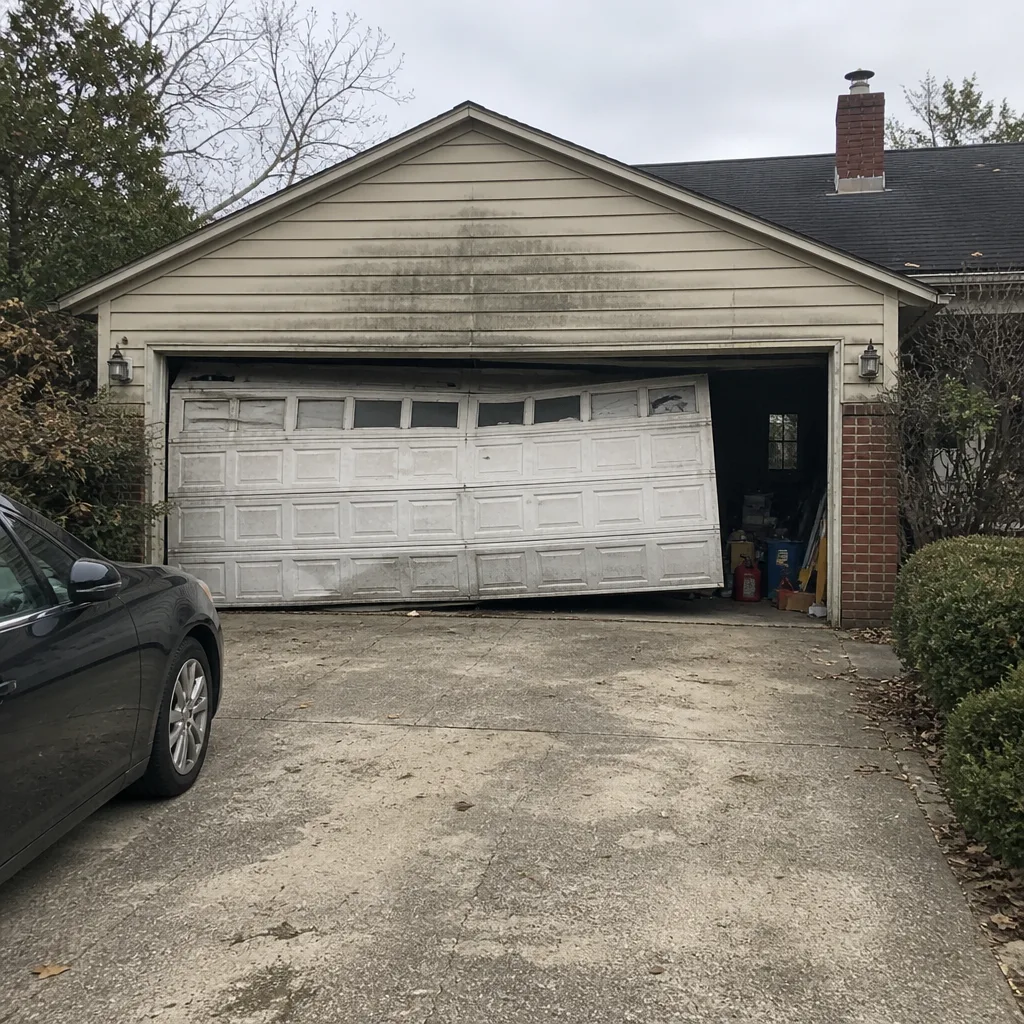 Before
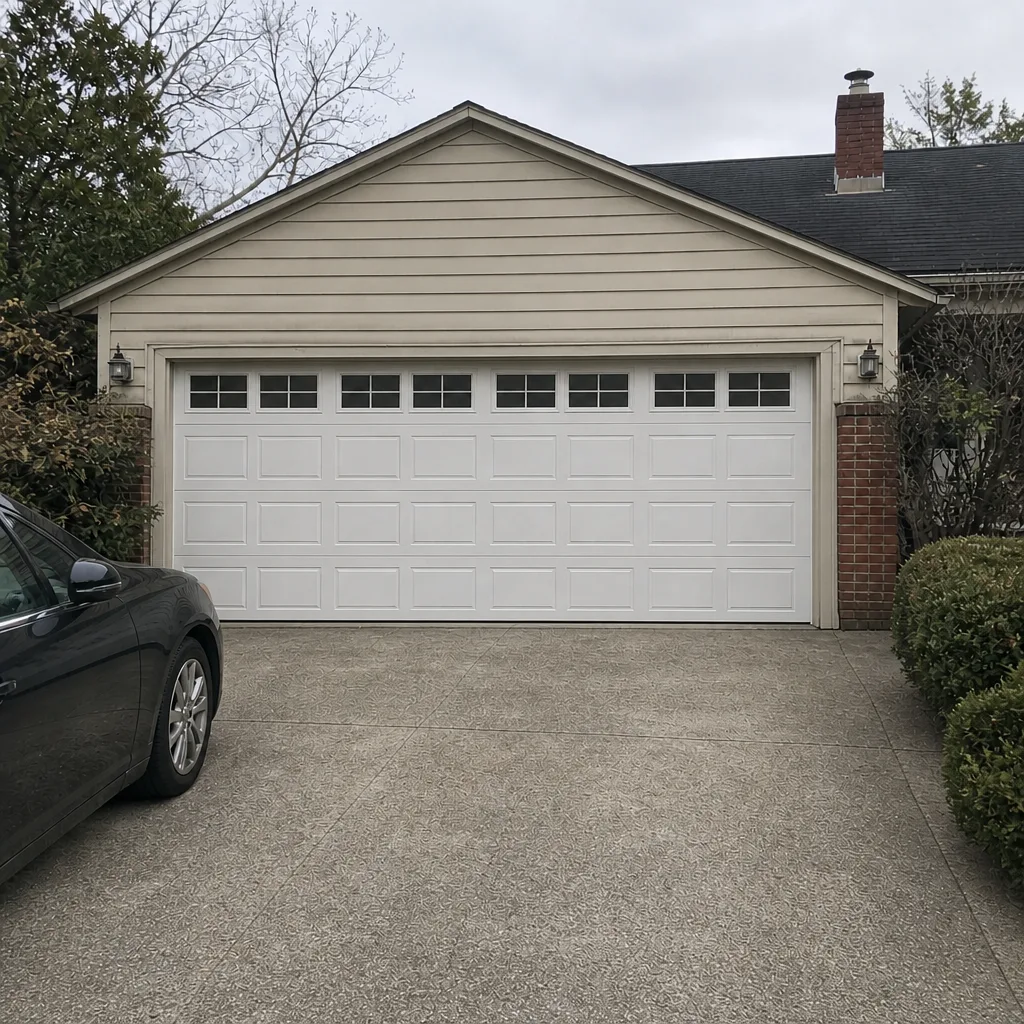 After
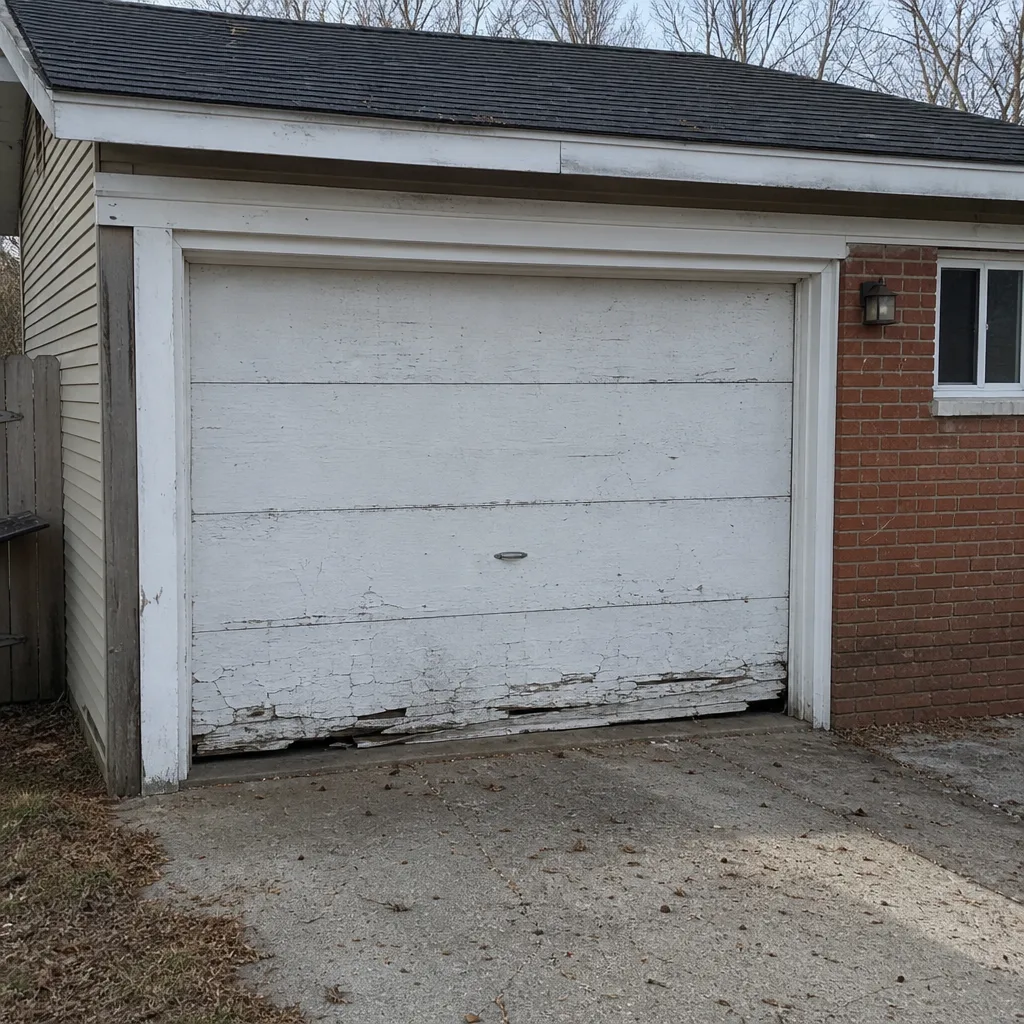 Before
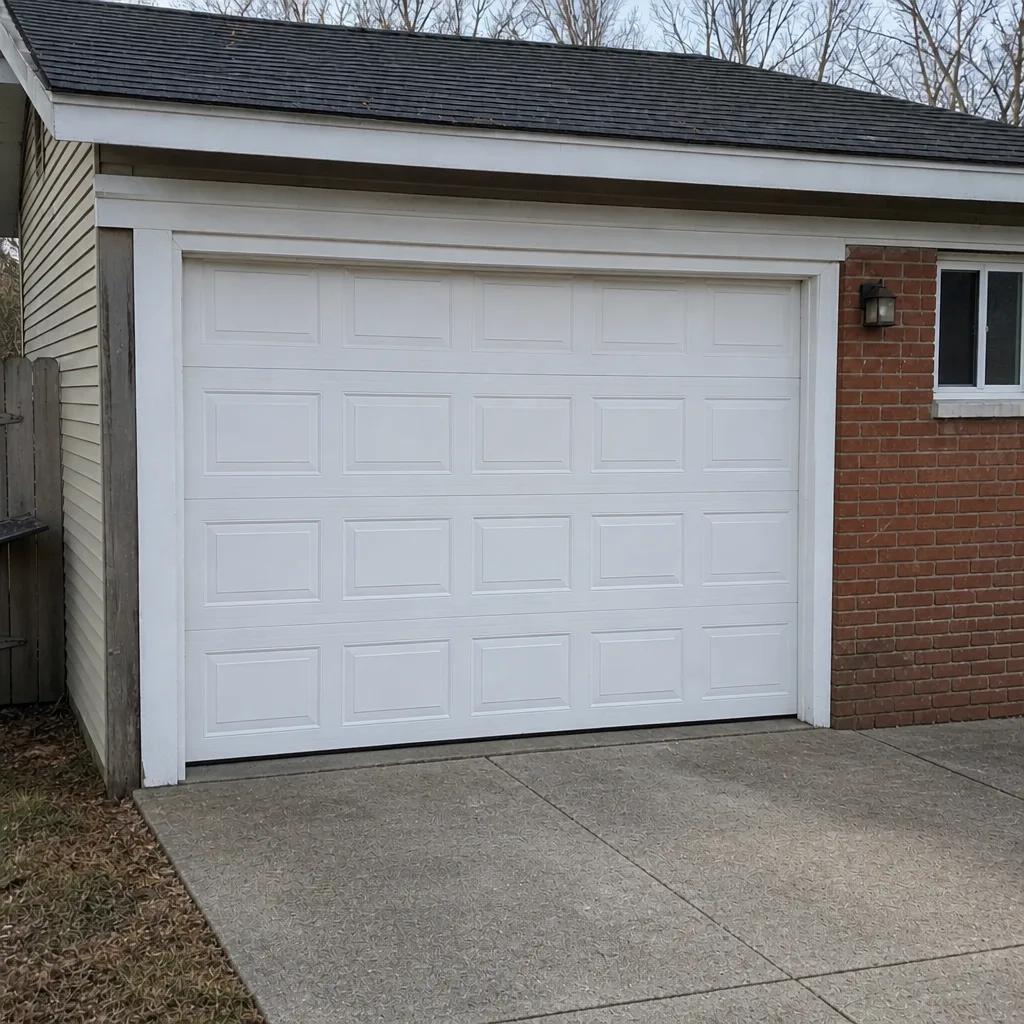 After