Last updated November 23, 2026
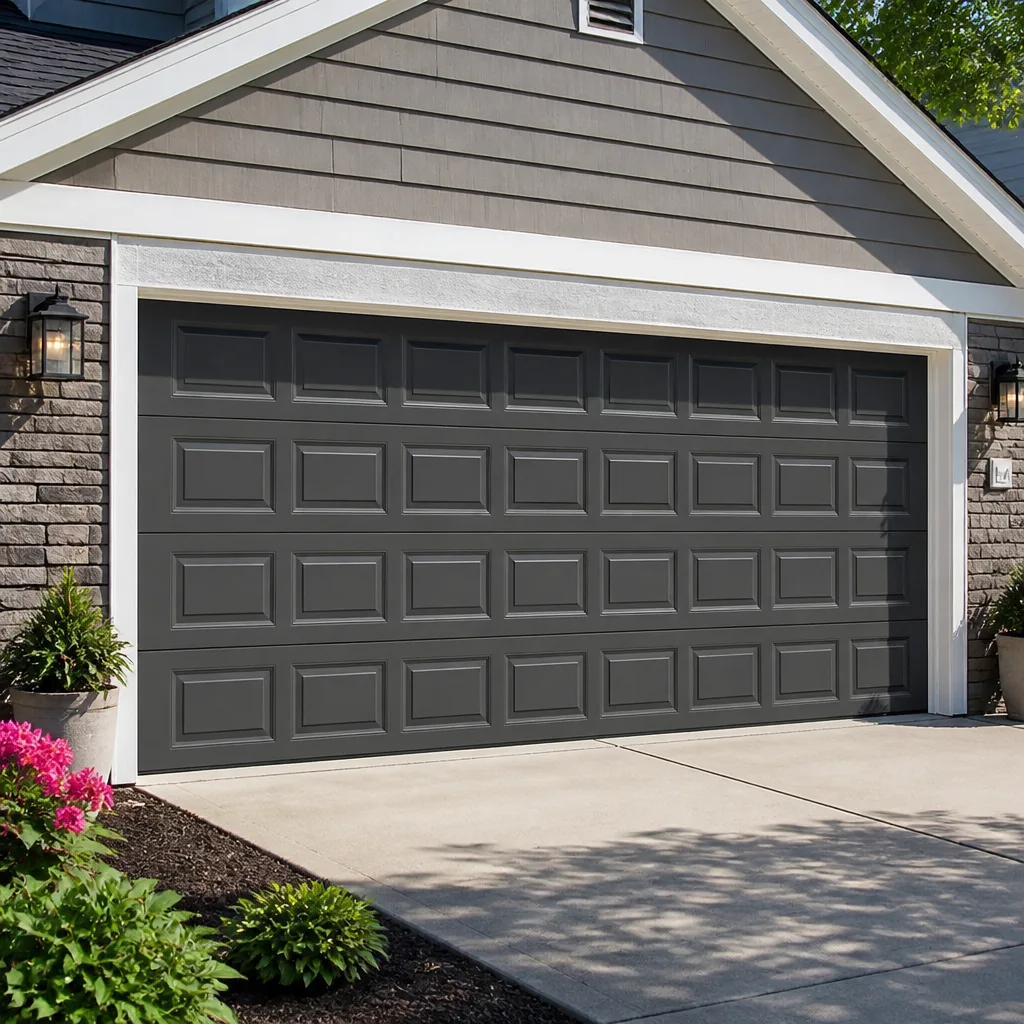 Raised-panel steel
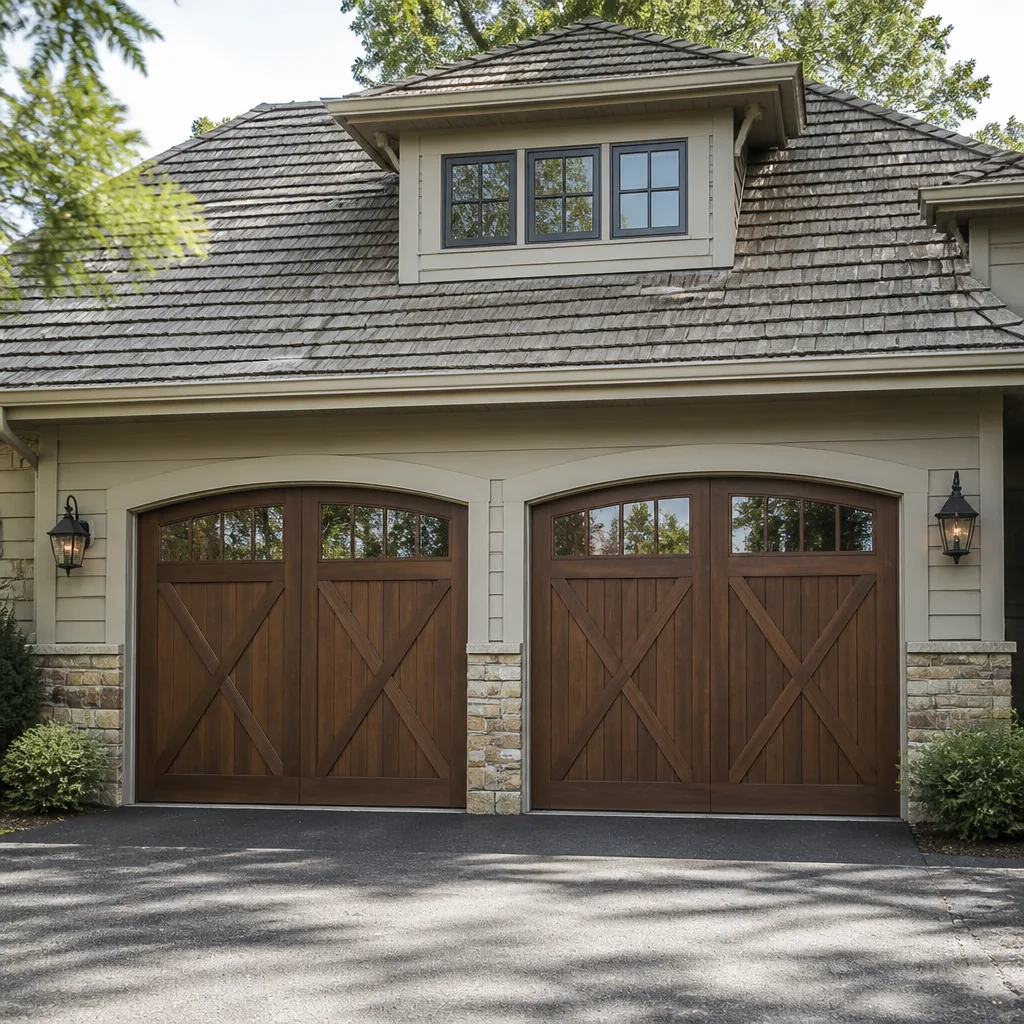 Carriage house
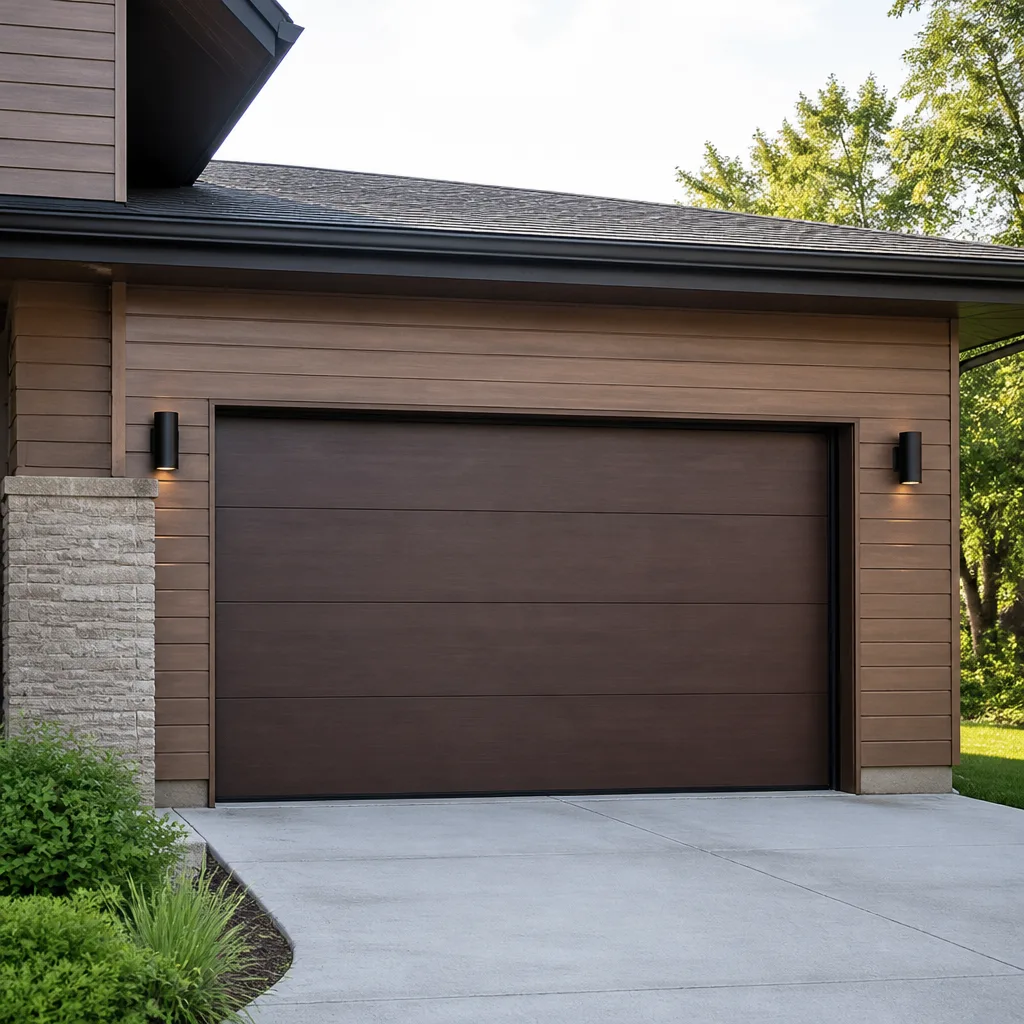 Modern flush
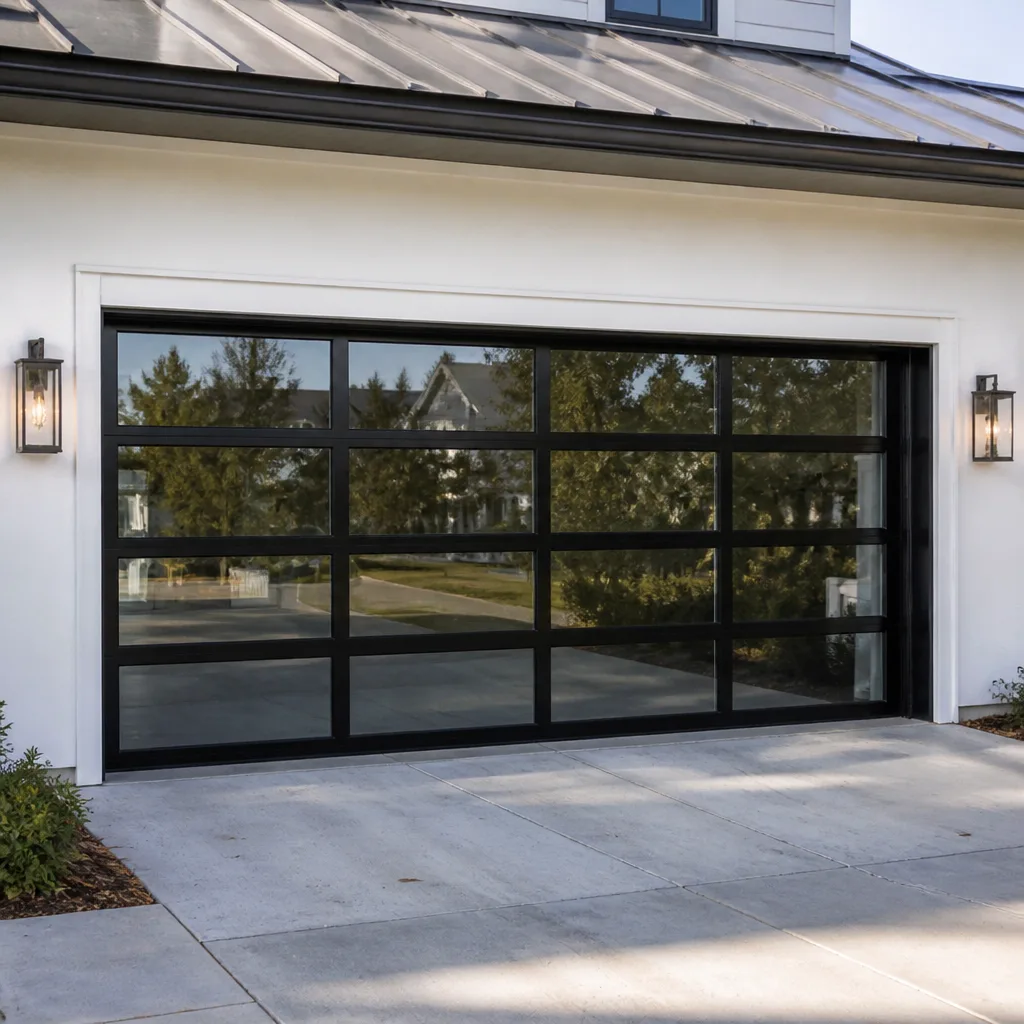 Full-view glass
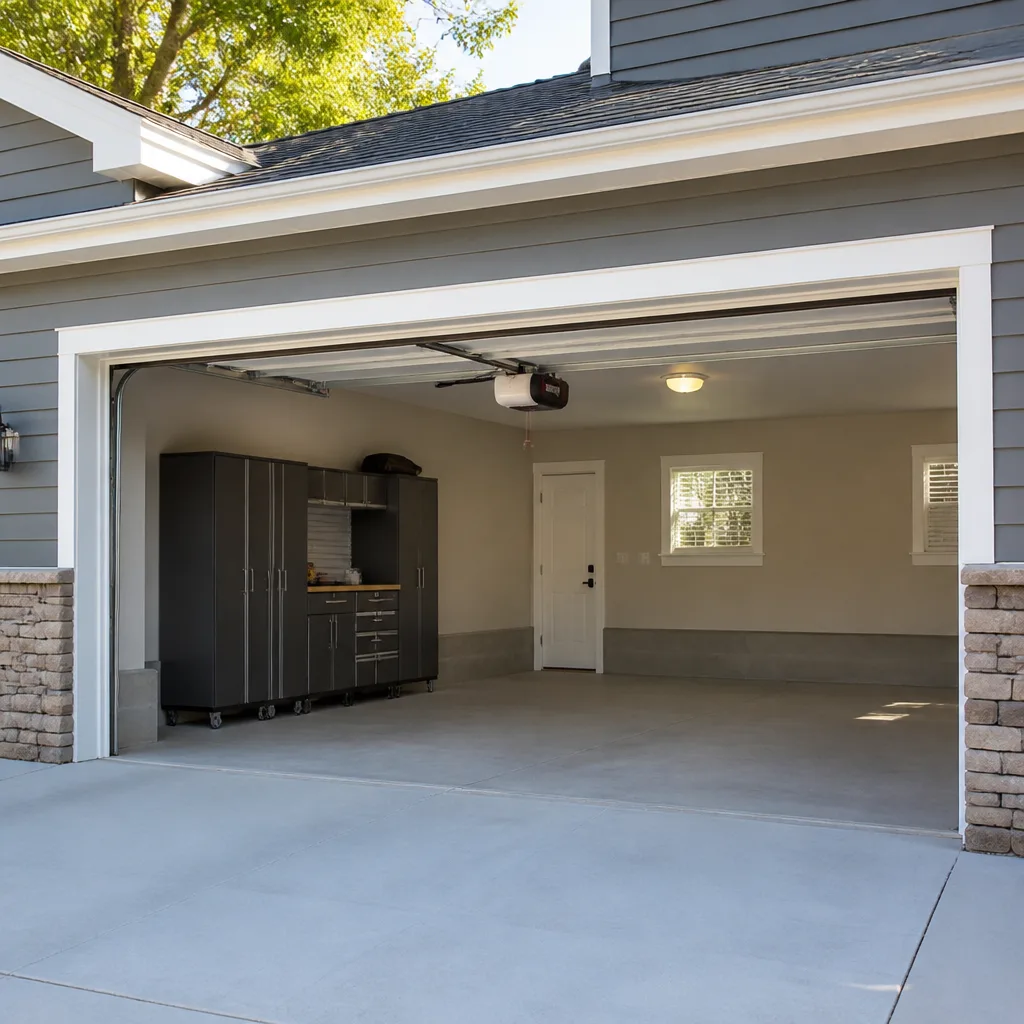 LiftMaster openers
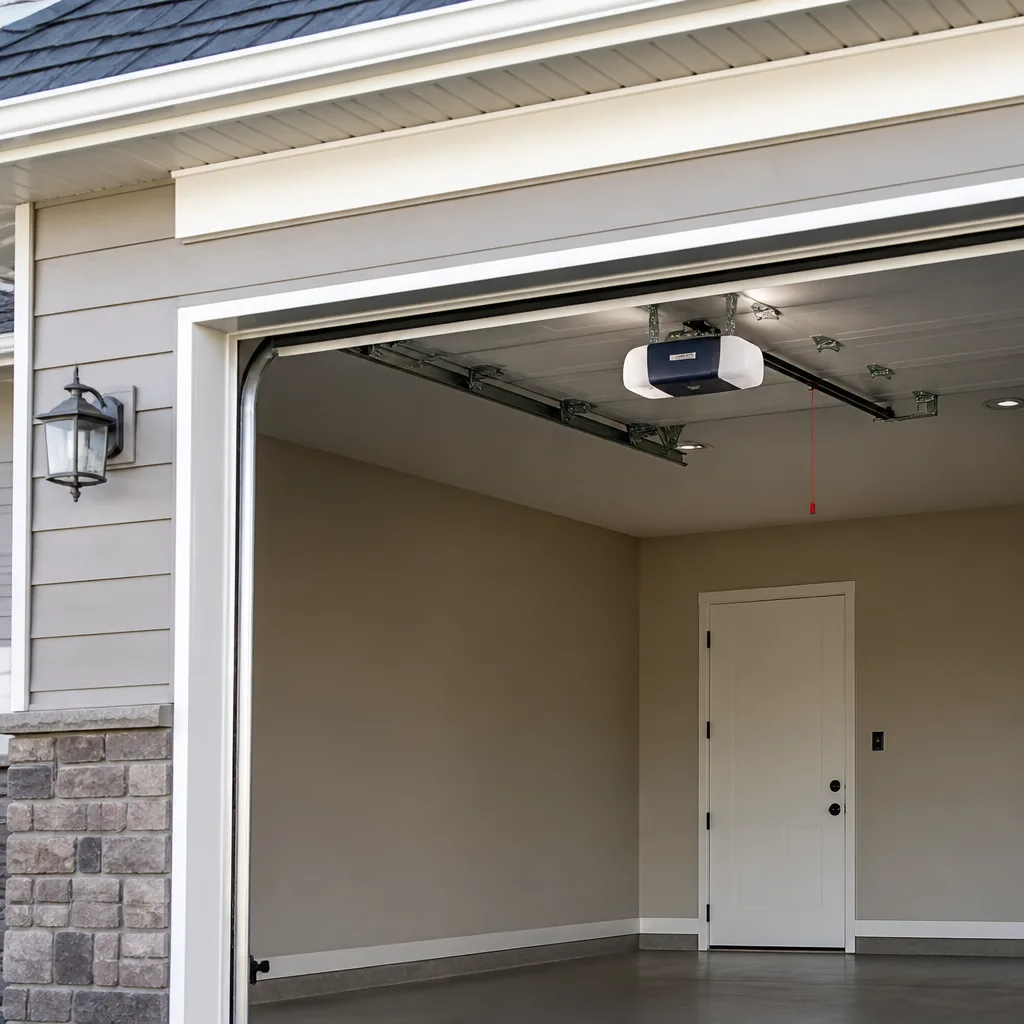 Chamberlain openers
Full 25-point door and opener safety check with every visit - springs, cables, rollers, tracks, and your LiftMaster or Chamberlain opener included
You get a price before we start. It does not change when the pro arrives.
Get your free estimateHow to Hire a Garage Door Contractor in College Park: A Step-by-Step Guide
Most homeowners in College Park hire a garage door contractor by calling whoever answers first and booking the earliest slot. That’s backward. The single best predictor of whether you get a repair or a replacement pitch is whether the technician actually knows the brand of door and opener hanging in your garage. A Craftsman opener with torsion springs is a different animal from a Wayne Dalton door with extension springs, and a contractor who doesn’t recognize either one will often reach for the replacement catalog instead of a diagnosis. This guide walks you through vetting a contractor step by step, from checking Maryland credentials to reading a quote, so the decision is based on competence rather than speed.
Styles & brands we work with
- Raised-panel steel
- Carriage house
- Modern flush
- Full-view glass
- LiftMaster openers
- Chamberlain openers
Quick Answer
To hire a garage door contractor in College Park, verify their Maryland Home Improvement Commission (MHIC) license, ask which brands they service and how they diagnose your specific system, insist on an in-person inspection before any quote, and get itemized pricing for parts and labor in writing. A contractor who can explain your opener and spring setup in plain language, and who quotes repair before replacement, is the one worth booking. Evasiveness on any of those points is your signal to call someone else.
Table of Contents
- Why Brand Knowledge Decides Repair vs. Replacement
- The Three Brand Questions to Ask Before You Book
- How to Verify Maryland Licensing in Under Two Minutes
- What a Legitimate Diagnostic Visit Should Include
- How to Read a Garage Door Quote: Red Flags and Line Items
- How to Read Reviews for Garage Door Contractors Specifically
- College Park Climate, Housing and Why Spring Work Is Different Here
- Spring Repair: Why This Is Not a DIY Job in College Park
- Common Mistakes to Avoid
- When to Call a Professional
- Frequently Asked Questions
- The Bottom Line
Why Brand Knowledge Decides Repair vs. Replacement
Here is the part of hiring that most guides skip. Garage doors and openers are not interchangeable. A LiftMaster logic board, a Genie screw drive, a Raynor torsion system, and an Amarr steel door each have their own failure patterns, part numbers, and diagnostic steps. A technician who works on your exact system most weeks can tell within minutes whether a drive gear is stripped or a cable drum is out of alignment. A technician who doesn’t knows he’s guessing, and guessing takes time he’d rather not spend.
That gap in knowledge is exactly where the replacement pitch comes from. It’s not always dishonest. It’s often a shortcut. If a contractor doesn’t stock or recognize the part, recommending a full unit swap is the path of least resistance for them, even when a $40 component would fix the problem.
This is the core insight we want every College Park homeowner to carry into the conversation: the question is never “who does garage doors,” it’s “who knows my garage door.”
What Brand Familiarity Actually Looks Like
We work on the brand you already have. That’s a deliberate choice, not a marketing line. Our technicians are familiar with eight of the most widely installed residential brands: LiftMaster, Chamberlain, Genie, Clopay, Amarr, Wayne Dalton, Craftsman, and Raynor. When you call, we don’t need to see the door to know the likely failure points of a Chamberlain belt drive or a Wayne Dalton extension spring setup. That’s the difference between a diagnostic and a sales visit.
- Craftsman openers: Older units commonly develop worn drive gears and logic board faults; these are repairable and don’t require a new opener.
- Wayne Dalton doors: Extension spring systems and TorqueMaster setups behave very differently and need to be handled on their own terms.
- Amarr doors: Panel and section damage is common; individual sections can often be replaced instead of the whole door.
- Raynor systems: Torsion and track configurations vary by model; knowing the series matters before ordering parts.
For a deeper look at how repair decisions are made, see our garage door repair service page.
The Three Brand Questions to Ask Before You Book
You can screen a contractor in a two-minute phone call. Ask these three questions, and listen carefully to how they answer, not just whether they do.
- “Do you service [your brand] doors and openers?”
You want a specific yes or a specific no followed by “here’s what I’d recommend.” A vague “we work on everything” from a general handyman is a warning sign. Ask instead: “What’s the most common failure you see on a [brand] opener?” If they can name it without hesitation, they know the system. - “How do you diagnose a door that won’t open?”
A competent answer includes: checking the opener’s safety sensors, testing the wall control and remote, listening to the motor, inspecting the springs and cables, and checking the track and rollers. If the answer is “we’ll just come out and give you a price on a new one,” hang up. - “Do you repair or replace, and how do you decide?”
The right answer: “Repair first, replace only when necessary, and I’ll tell you why.” The wrong answer: any version of “it depends” with no method behind it.
What an Evasive Answer Tells You
When a contractor dodges the brand question, it usually means one of three things: they don’t know the system, they don’t carry the parts, or they’re trained to sell installations rather than repairs. Any of those means you’ll likely be quoted a replacement for a problem a repair could solve. That’s the moment to keep calling. Our garage door opener repair capability across multiple drive systems (belt, chain, screw, and jackshaft) exists precisely because we got tired of seeing homeowners sold new openers when a drive gear was the actual problem.
How to Verify Maryland Licensing in Under Two Minutes
Maryland requires home improvement contractors, including garage door companies, to hold a license from the Maryland Home Improvement Commission (MHIC). This matters more for garage door work than for most trades, because spring repair and opener repair involve high-tension components and electrical connections. An unlicensed operator may not carry the required insurance, and if something goes wrong on your property, you’re the one exposed.
How to Check MHIC Credentials
- Ask the contractor for their MHIC license number before the visit. A legitimate operator provides it without hesitation.
- Look up the number on the MHIC public license search on the Maryland Department of Labor website. It takes about a minute.
- Confirm the license type covers home improvement work and that the status is current, not expired or suspended.
- Ask for a certificate of insurance for general liability, and confirm it’s active for the date of your job.
- Ask who performs the work: the licensed contractor or a subcontractor. If it’s a subcontractor, get that company’s license number too.
You don’t need to be a licensing expert. You need to see the number, see the status, and see the insurance certificate. If a contractor can’t produce any of those, stop there. The Maryland Home Improvement Commission also maintains a complaint history you can review, which is worth a glance before you book.
For city permit questions (some installations require one), call the College Park building department directly. Rules vary by project and jurisdiction, so it’s worth asking before work starts.
What a Legitimate Diagnostic Visit Should Include
A contractor who quotes a price sight-unseen, or after a 90-second glance, is guessing. A proper diagnostic visit on a garage door system takes 20 to 30 minutes and covers the full system, not just the part that’s visibly broken. Here’s what to watch for.
What a Real Inspection Covers
- Opener and motor: listening for strain, testing open and close cycles, checking the logic board and capacitor; testing the wall control and every remote.
- Safety sensors and reverse mechanism: testing that the door stops and reverses on obstruction, and confirming the sensor alignment isn’t skewed.
- Springs: checking tension, looking for gaps in torsion springs, and inspecting extension springs and their safety cables.
- Cables and drums: checking for fraying, kinks, and whether the cable is riding evenly on the drum.
- Track and rollers: looking for bends, loose brackets, and worn nylon or steel rollers.
- Panels and hinges: checking for dents, cracked sections, and binding hinges.
- Balance test: disconnecting the opener and testing whether the door holds at the halfway point.
- Weather seal: checking the bottom seal and perimeter for gaps.
After that, a good contractor tells you what’s broken, what’s worn but not urgent, and what’s fine. They quote repair costs and give you a straight answer on whether the door is worth repairing. Anything less than a full-system inspection before a quote is a sign you’re talking to a salesperson.
If a door won’t move at all, an emergency visit may be the right call. You can read about our response approach on the College Park Garage Door Repair Pros home page.
How to Read a Garage Door Quote: Red Flags and Line Items
A quote should tell you what part is being replaced, what it costs, and what labor costs to install it. That’s it. If those three things aren’t clearly laid out, you can’t compare quotes, and that’s a problem in itself.
Green Flags in a Quote
- Part numbers or brand names listed for every component.
- Separate lines for parts and labor (not one lump “repair” figure).
- A description of the diagnostic, not just the fix.
- A clear statement that the written quote is the price and that no work starts until you approve it.
- Optional items listed separately so you can choose whether to address them.
Red Flags in a Quote
- Vague line items: “garage door repair – $450” tells you nothing and can hide padding.
- Refusal to itemize parts vs. labor: a contractor who won’t break it down has a reason, and it’s usually not in your favor.
- Same-day decision pressure: “this price is only good today” is a sales tactic. A repair quote that’s honest is still honest tomorrow.
- No written quote at all: a verbal price is not a quote. Get it in writing.
- Scope creep: quoting a full replacement when the symptom points to a single component.
- No mention of the actual brand or system: if the quote could apply to any door in any state, it’s not a real diagnosis.
Always ask: “What’s the price if we do only the necessary repair today?” A good contractor will answer that question clearly and without pressure. Prices are estimates until the technician sees the door, but the written estimate is what sets the final cost. No surprises after the work starts.
How to Read Reviews for Garage Door Contractors Specifically
Star ratings tell you how the visit went. The text tells you whether the contractor repairs or sells. For garage doors, the wording in reviews is more useful than the score, because repair and replacement work look very different in a customer’s description.
Phrases That Point to Genuine Repair Work
- “fixed the opener instead of replacing it”
- “diagnosed the problem” or “found the actual issue”
- “repaired the spring” or “replaced the cable” (specific parts, not a vague description)
- “gave me a written quote”
- “showed me the broken part”
- “didn’t pressure me”
Phrases That Point to Upsell-Heavy Service
- “told me I needed a whole new door” (without any diagnosis mention)
- “price went up once they started”
- “pushed hard for the upgrade”
- “didn’t really explain what was wrong”
- “cheap estimate but the bill was much higher”
Also check when the review was posted and whether the reviewer names specific brands or parts. A reviewer who says “they fixed my Genie belt drive and explained what went wrong” had a real experience. A reviewer who says “friendly and professional” could have been sold anything. For a longer breakdown of emergency calls and how response times actually work, see our guide on the garage door spring repair page.
College Park Climate, Housing and Why Spring Work Is Different Here
College Park sits in the Mid-Atlantic, which means four seasons and real temperature swings. That matters for your garage door. Doors and springs expand in summer heat and contract in winter cold. The cyclical loading on torsion springs speeds up when temperatures swing hard between seasons, and old extension springs in older doors are especially vulnerable.
The housing stock here also varies a lot. Some homes off Route 1 have original parts dating back decades, while newer builds in the area tend to have belt-driven openers and insulated steel doors. Older doors often use extension springs without safety cables, which is a specific hazard worth checking. Newer doors often have torsion springs with fewer cycles left than the homeowner expects. A contractor who knows College Park should recognize both.
What This Means for Hiring
- Ask whether the contractor has seen your type of door in the local market. Around the University of Maryland and older neighborhoods near downtown College Park, they should have.
- Ask what they recommend for a door that cycles multiple times a day in a household with a garage used as a main entrance.
- Ask about noise. A door that sounds rough in summer will often be worse in winter.
A contractor unfamiliar with the local mix will quote a generic solution. A good one will ask how your door has been behaving through the seasons.
Spring Repair: Why This Is Not a DIY Job in College Park
Torsion and extension springs hold the entire weight of the door. Torsion springs are wound tight under extreme tension; if a spring or cable fails while you’re handling it, the results can be serious. We say this not to alarm you, but because we’ve seen the aftermath of homeowners trying this themselves. No YouTube video makes the spring tension disappear.
What Spring Work Actually Involves
For torsion springs, the technician needs winding bars of the correct size, a method for locking the door, and the training to release tension safely. Extension springs require a careful release and often a safety cable retrofit above the door. The work is measured in cycles, and getting the spring wind direction wrong can cause an immediate and dangerous failure.
What Homeowners Should Check Instead
- Look for a visible gap in the torsion spring coil.
- Listen for a bang in the garage – a failed spring often announces itself loudly.
- Check whether the door feels heavy when you lift it manually (with the opener disconnected, and only if it moves easily).
- Look at extension springs for elongated coils and ensure safety cables are in place.
If you see any of those signs, stop operating the door and call a professional. Spring work is high-risk and for good reason we don’t hand you instructions on doing it yourself. Our team handles torsion and extension spring work as a standalone specialty, and we can explain what’s wrong without overselling a fix.
Common Mistakes to Avoid
- Booking based on price alone. A $99 diagnostic means nothing if the quote jumps to a replacement later. Ask what the diagnostic covers and what the repair pricing looks like before you book. Two sentences of clarification save real money.
- Accepting a quote without an in-person inspection. A phone quote is a guess. Even for a simple repair, the technician needs to see the door, open and close it, and inspect the system before pricing.
- Not verifying the MHIC license. In Maryland, it takes two minutes to look up a license. Skipping that step means an unlicensed operator may be working on your property with no insurance behind them.
- Letting a contractor talk you into a full replacement for a one-part repair. If the quote doesn’t say what part failed and why it can’t be repaired, ask. A good contractor has an answer.
- Not asking whether the company or a subcontractor will do the work. “One call covers it” should mean one company handles the whole job. If you’re handed to a subcontractor with a different license, the accountability lines blur.
- Ignoring the opener’s brand. A LiftMaster and a Genie are diagnosed differently. If the contractor can’t say which brand they’re working on, they’re winging it.
- Waiting until the door is stuck open. A door that stops working while up leaves your garage vulnerable. Book repair when the symptom first shows up, not after it becomes an emergency.
When to Call a Professional
Some garage door problems are safe to watch; most aren’t. Call a professional if the door is uneven, if the springs look stretched or have a visible gap, if the opener strains or reverses on its own, if the door is off its track, or if the door is stuck open. Don’t try to force it. A door that comes down unexpectedly on someone or something is a serious hazard, and the fix is almost never worth a DIY attempt.
For emergency situations, our emergency service is built to handle a door that won’t move at all. We’re open Sunday through Friday, 7am to 7pm, and closed Saturday. College Park Garage Door Repair Pros offers free estimates in College Park; call (844) 622-0665. Our technicians have up to 12 years of experience and can diagnose and repair most systems in a single visit.
Frequently Asked Questions
Ask for the MHIC license number and look it up on the Maryland Home Improvement Commission’s public license search before booking. Confirm the status is current and ask for a certificate of insurance for general liability. A legitimate contractor provides both without hesitation, and if either can’t be produced, call someone else. Call (844) 622-0665 for a free estimate.
Most garage door repairs fall into a moderate range depending on the part and labor involved, and every job is quoted in writing before work starts. Common repairs include opener components, cables, rollers, and track adjustments. Spring repair pricing is higher because it’s specialized high-tension work. The written estimate you receive is the price for the job. Call (844) 622-0665 for an exact quote; estimates are free.
Yes, most Craftsman and Genie openers can be repaired if the motor and logic board are sound. Worn drive gears, stripped belts, and failed capacitors are common repair items that don’t require a new unit. We work on these brands routinely and will tell you honestly if a repair is the right call or if the opener is genuinely at the end of its life.
Ask which brands they service, how they diagnose a door that won’t open, and whether they’ll quote after an in-person inspection. Also ask whether the company or a subcontractor does the work. Short, specific answers are a good sign; vague ones aren’t.
Spring repair involves high-tension components that require specialized tools and training to handle safely. The risk and the tooling both factor into the price. Torsion springs are wound under extreme tension, and extension springs need careful release and often a safety cable retrofit. Contractors price the work to reflect the danger and the expertise. Call (844) 622-0665 for a quote.
We’re open Sunday through Friday, 7am to 7pm, and closed Saturday. If your door fails on a Saturday, call (844) 622-0665 and we’ll book you for Sunday. For emergencies outside those hours, a call lets us determine the right response for your situation.
The Bottom Line
Hiring the right garage door contractor in College Park comes down to three things: verify the MHIC license, ask brand-specific questions before you book, and insist on an in-person diagnosis before any quote. A contractor who knows your Craftsman, Wayne Dalton, or Amarr system can tell you what’s actually wrong and whether it’s repairable. One who doesn’t will often suggest replacement, which is why knowing the difference protects your wallet and your door. Repair first, replace only when necessary. If the contractor can’t explain your system, keep calling. College Park Garage Door Repair Pros works on the brand you already have, from diagnosis through installation, and our technicians have up to 12 years of experience. One call covers it.
Written by the team at College Park Garage Door Repair Pros.
See the difference
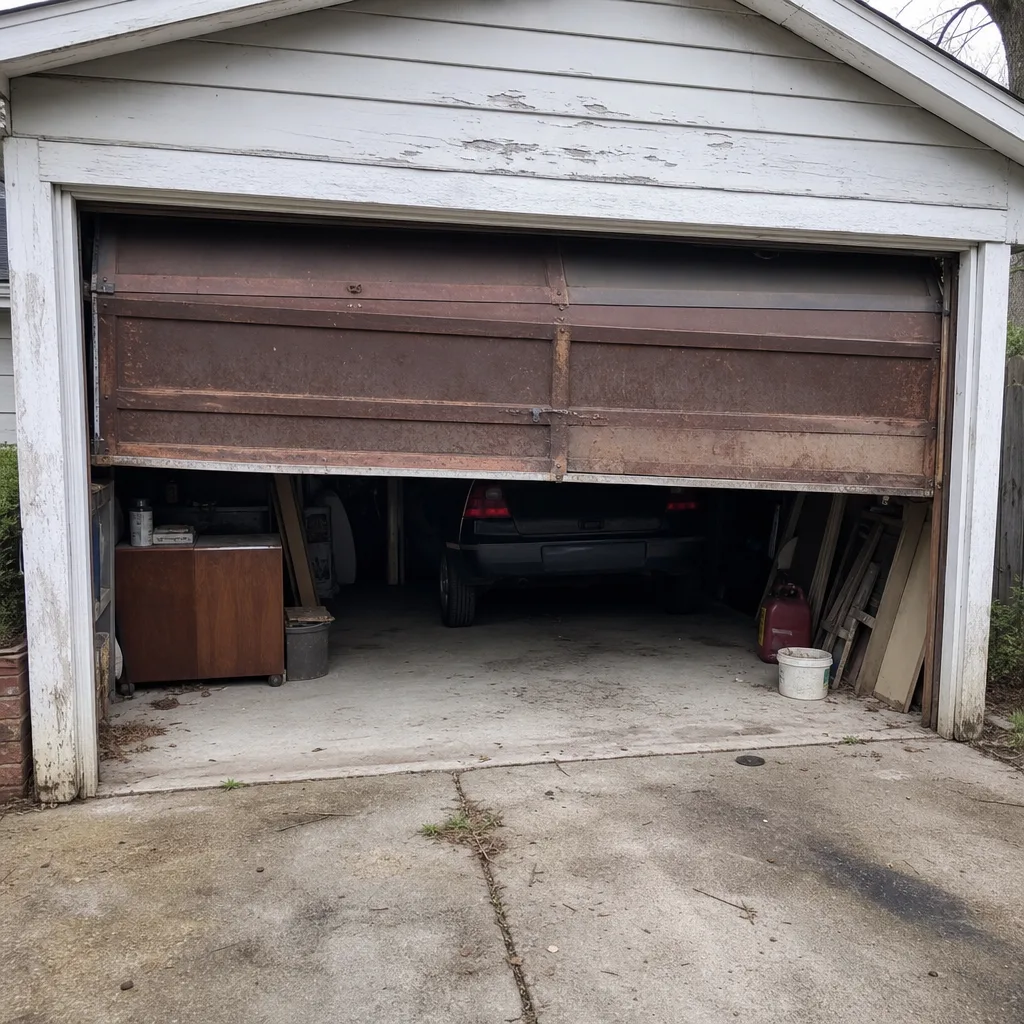 Before
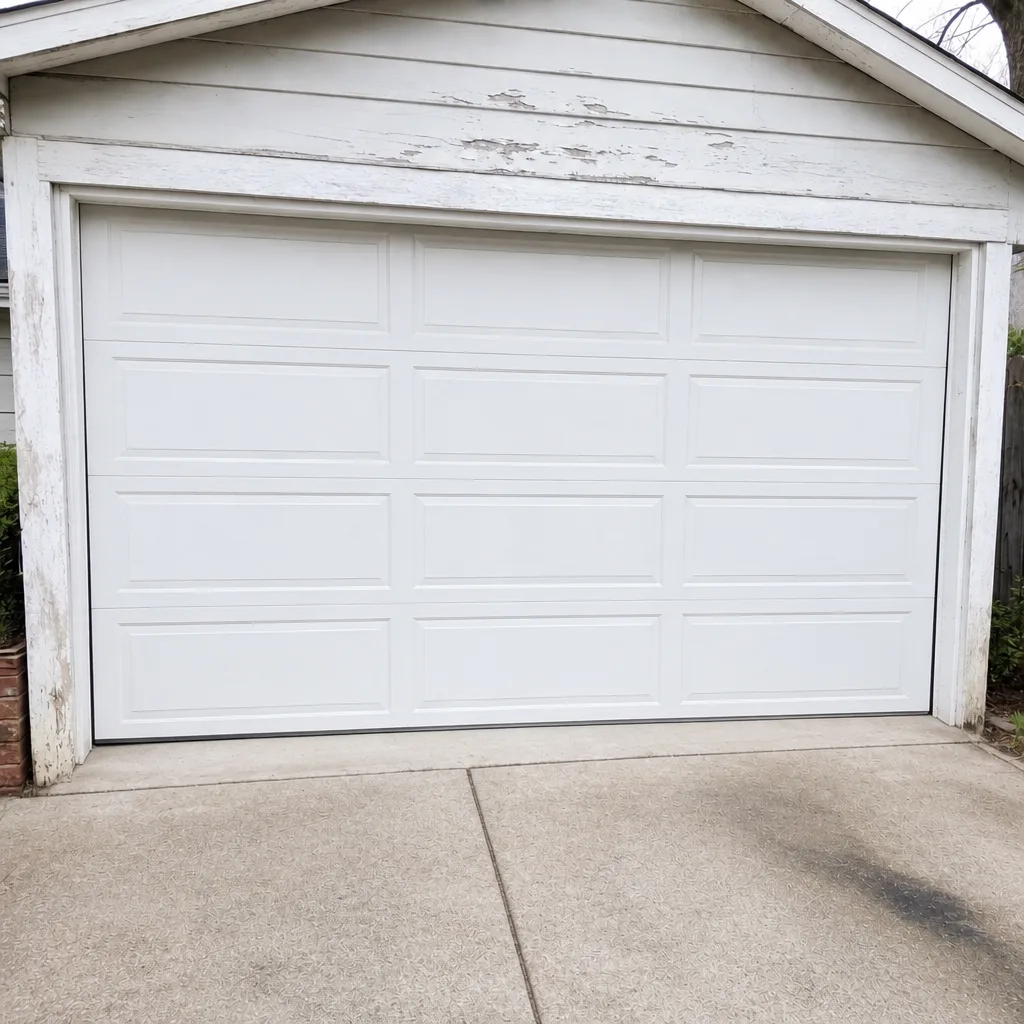 After
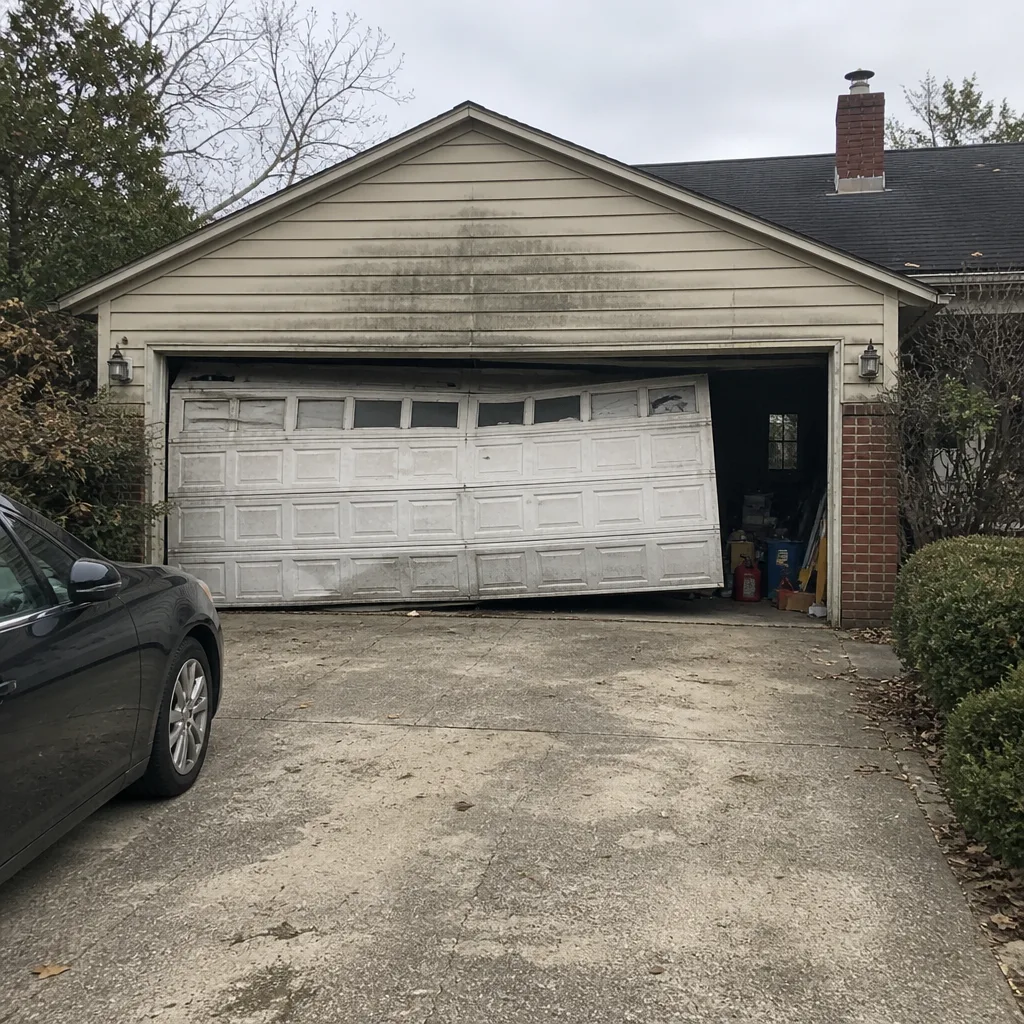 Before
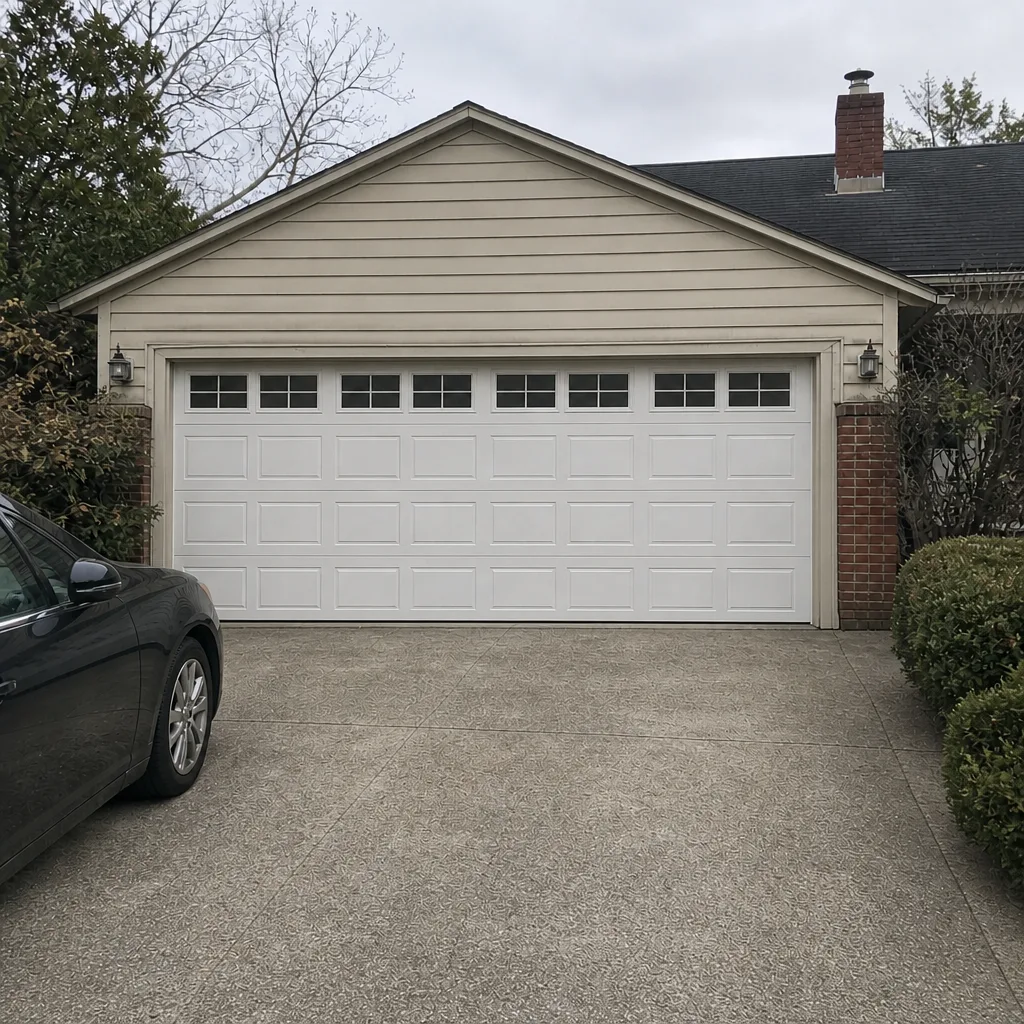 After
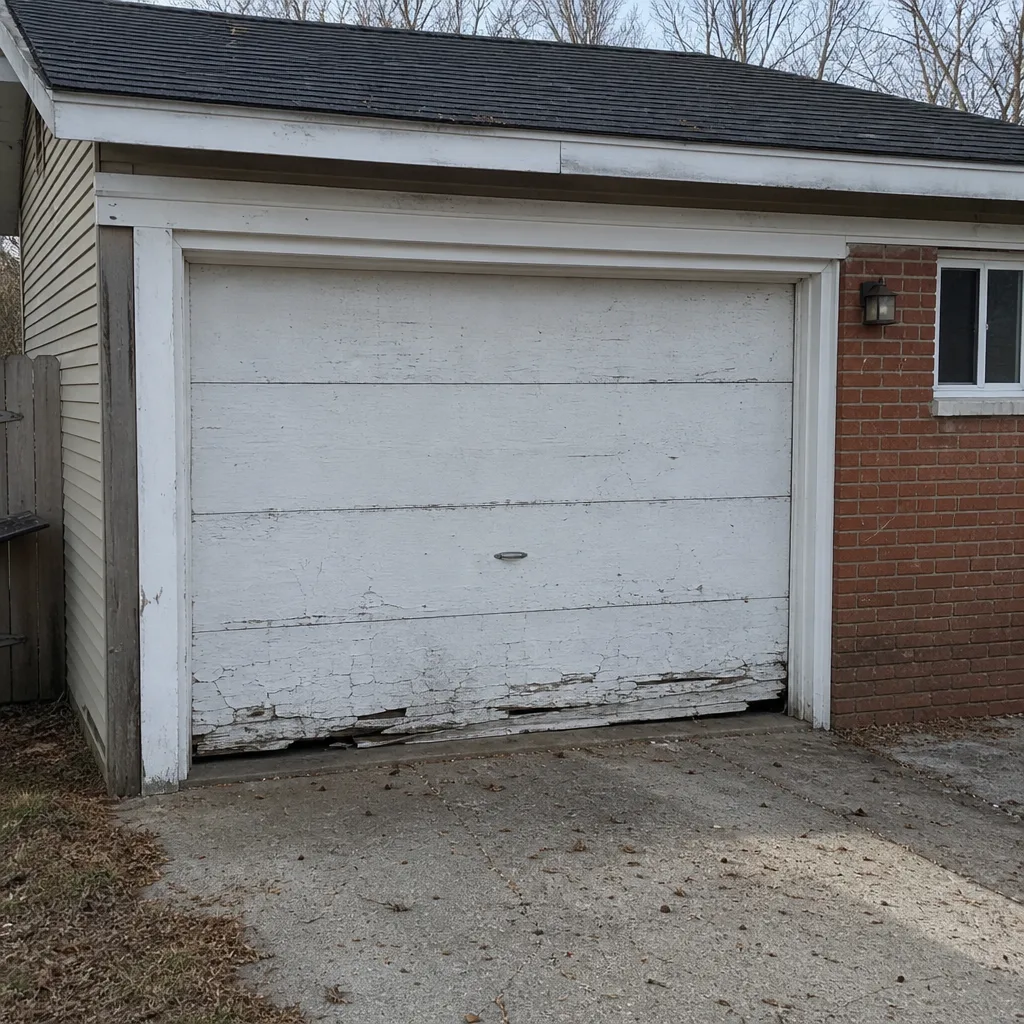 Before
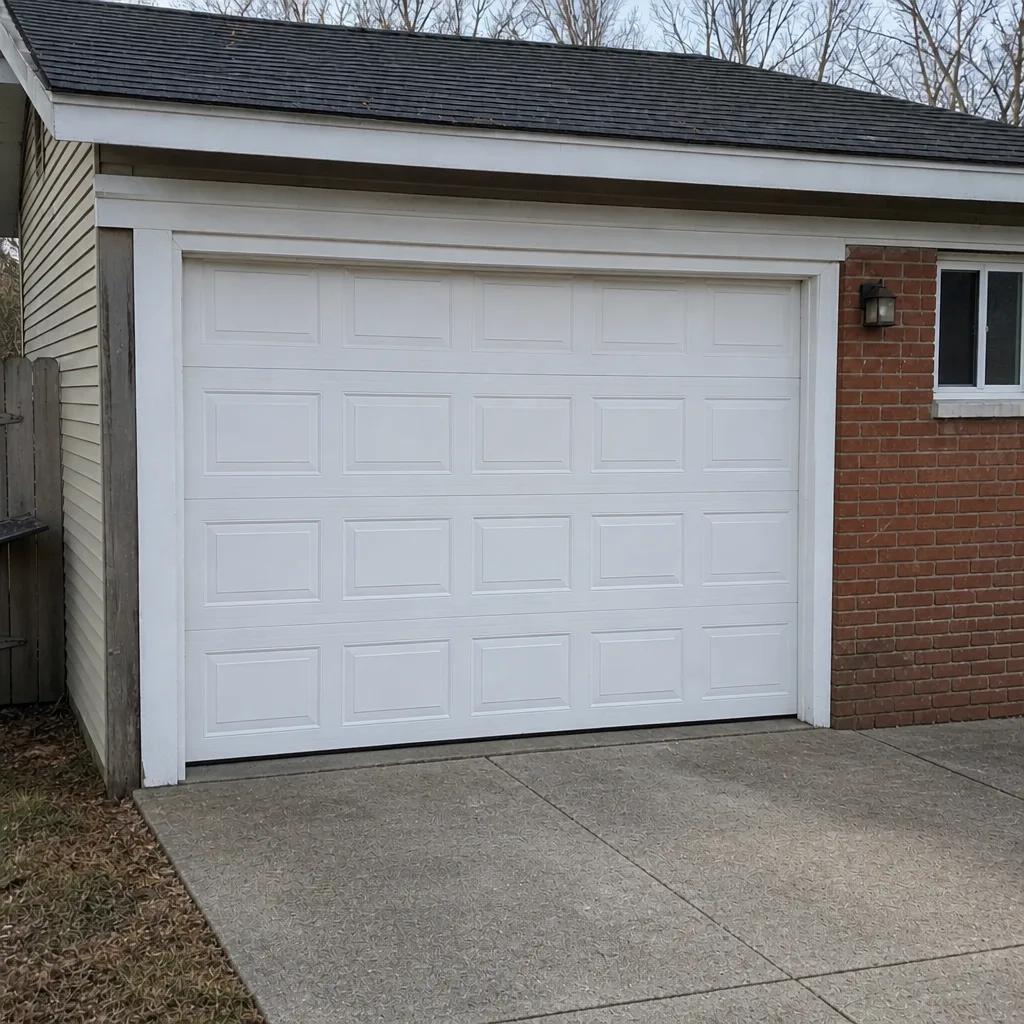 After