Last updated November 23, 2026
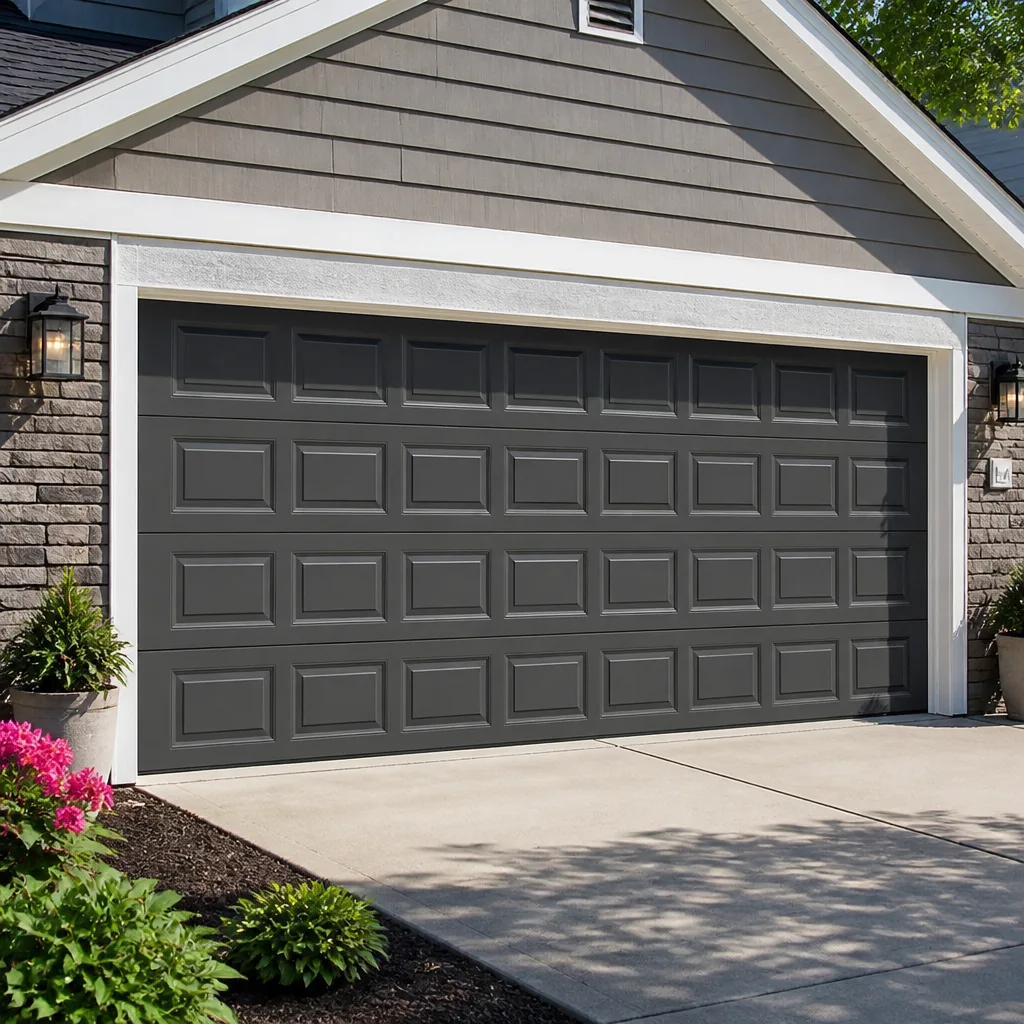 Raised-panel steel
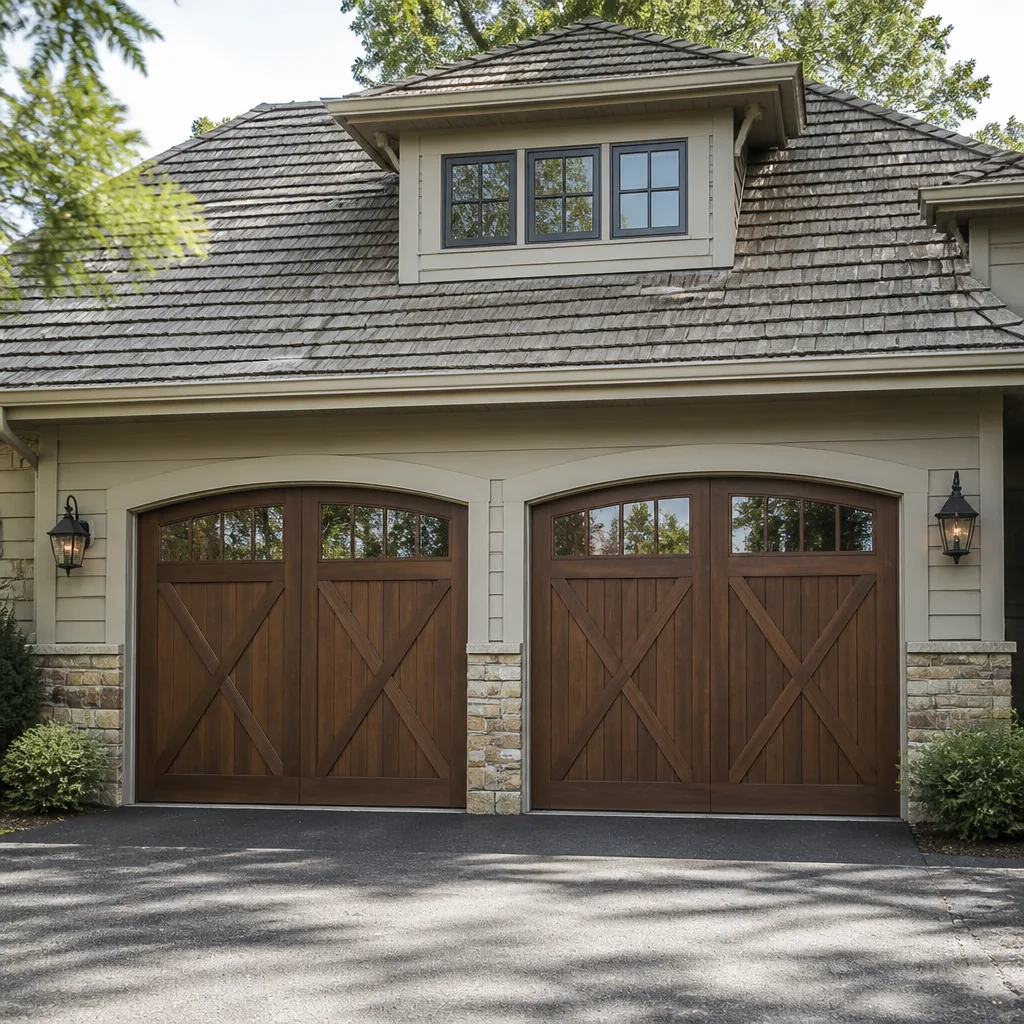 Carriage house
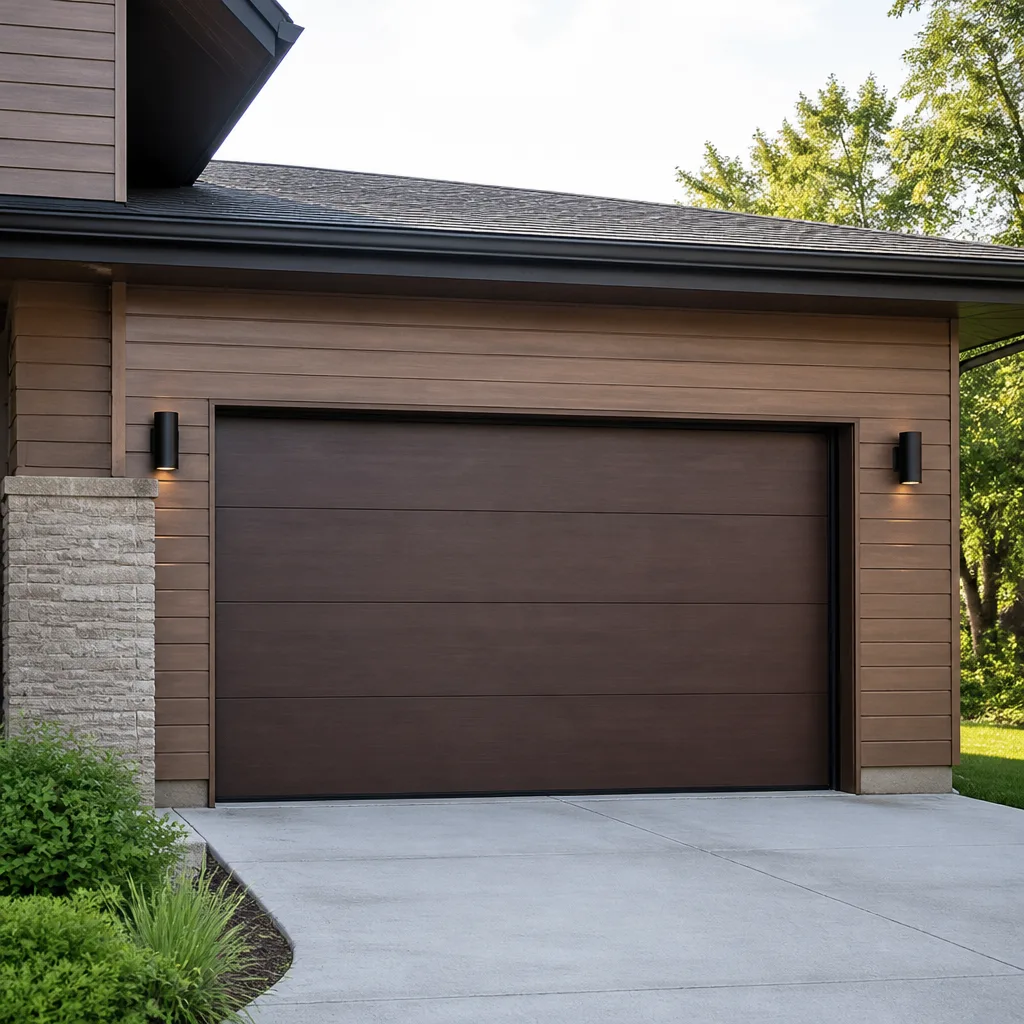 Modern flush
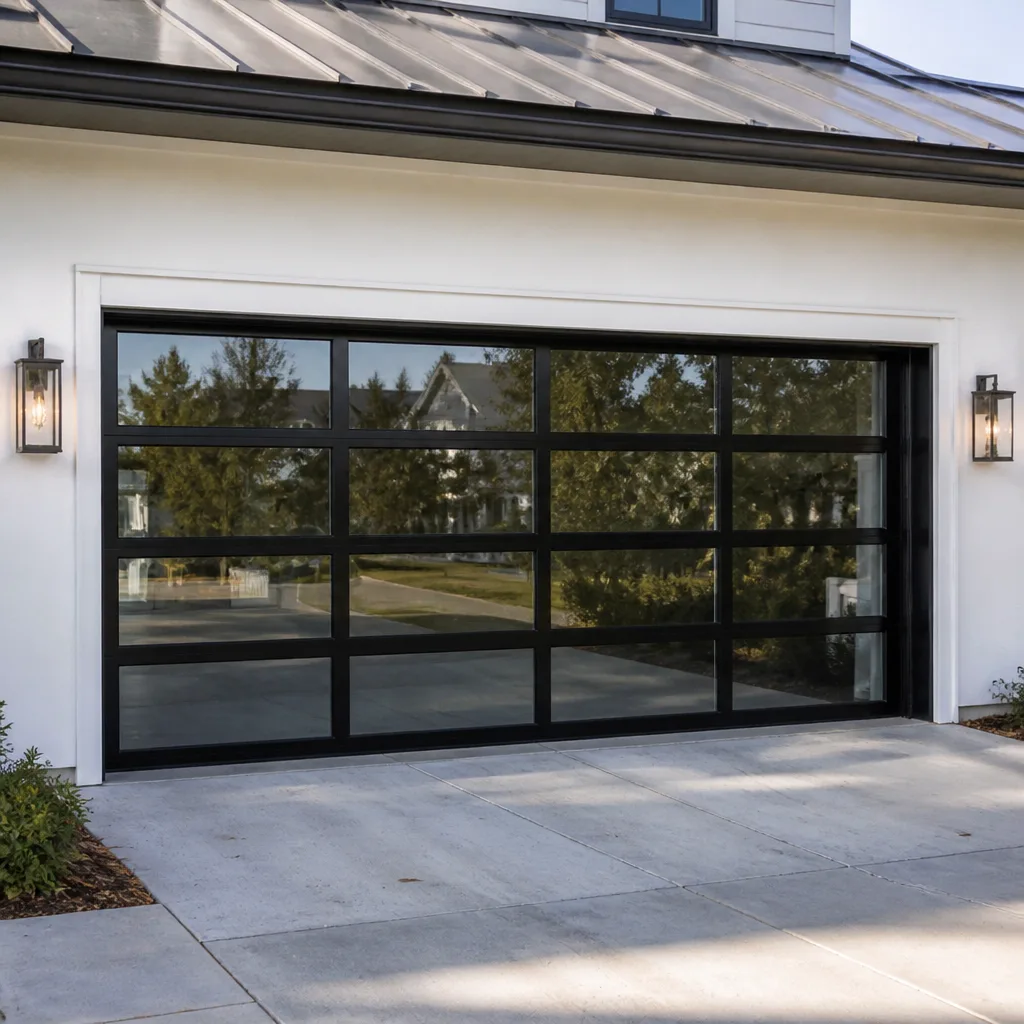 Full-view glass
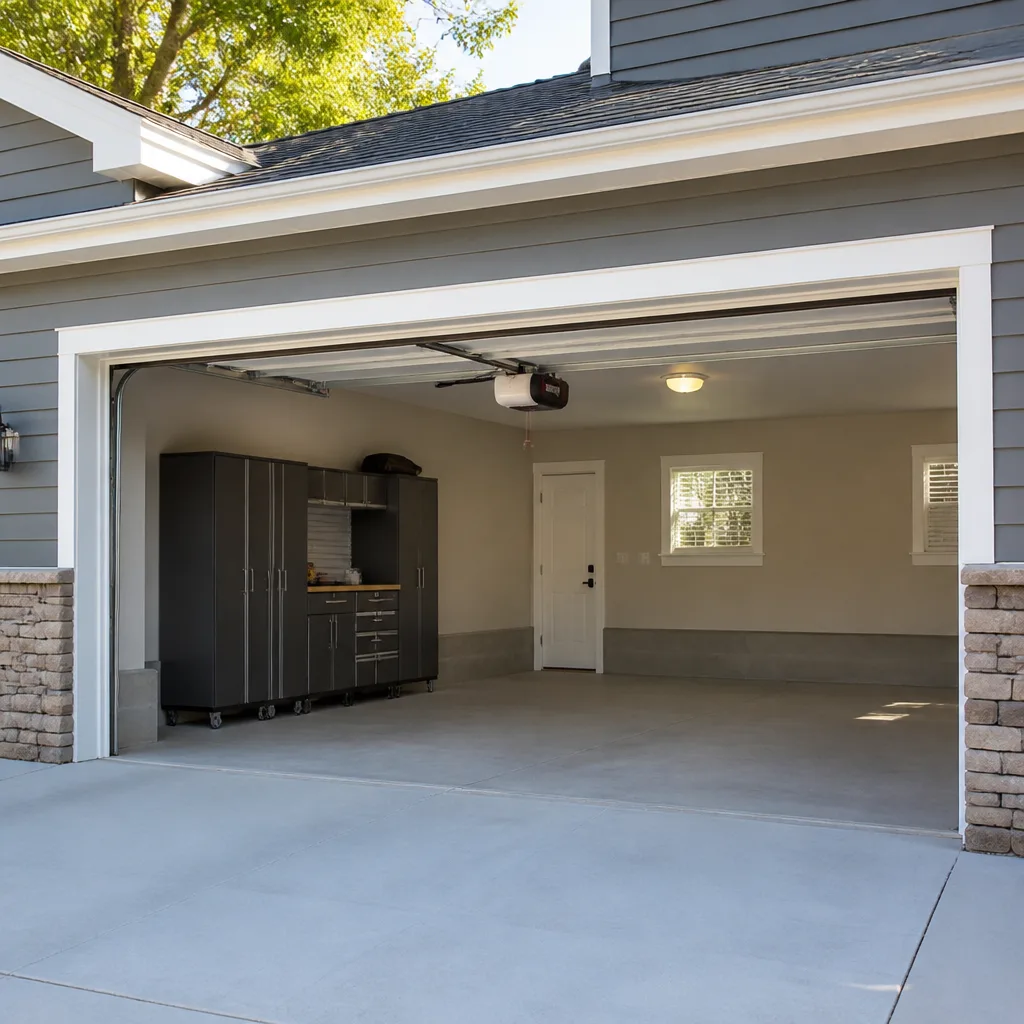 LiftMaster openers
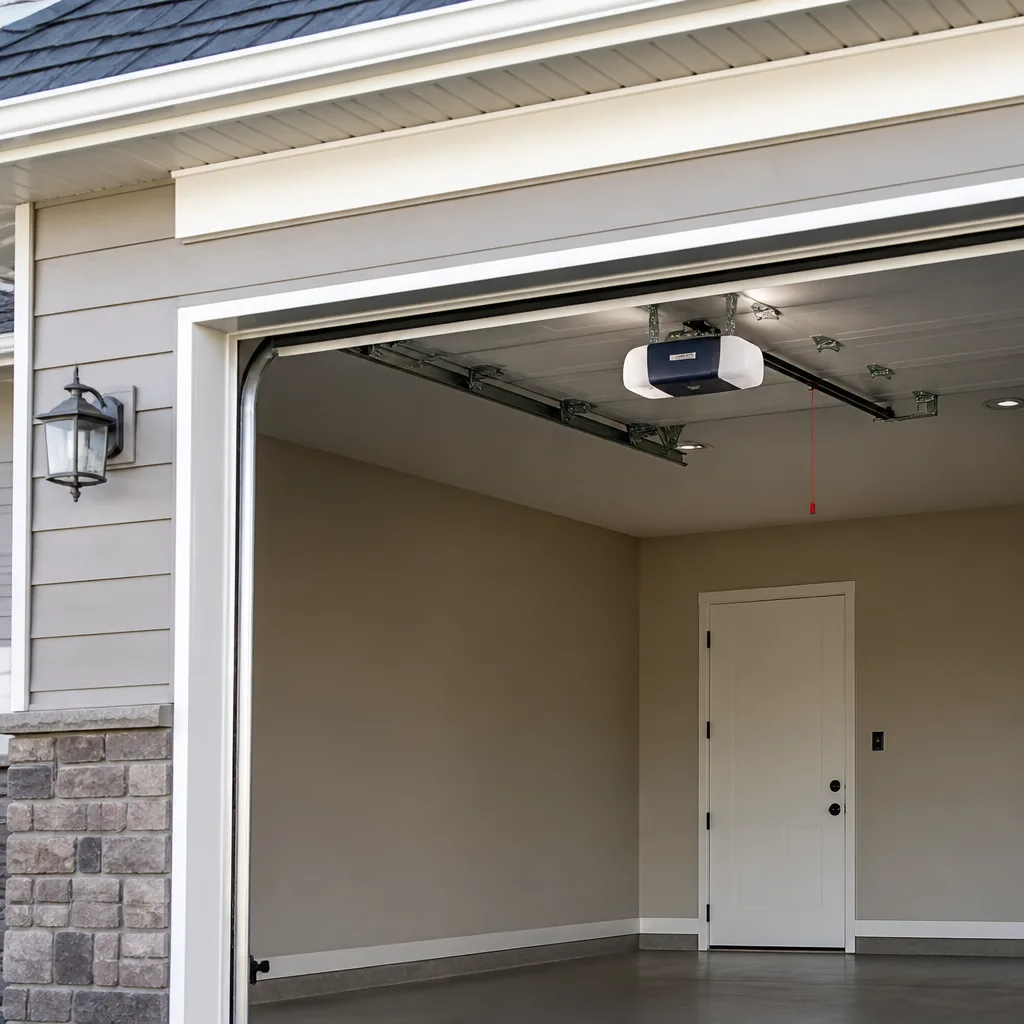 Chamberlain openers
Full 25-point door and opener safety check with every visit - springs, cables, rollers, tracks, and your LiftMaster or Chamberlain opener included
You get a price before we start. It does not change when the pro arrives.
Get your free estimateGarage Door Cost Breakdown: The College Park Homeowner’s Reference for 2026
The national average for a garage door spring replacement is frequently cited as $150 – $350. That single range hides almost everything that matters: whether you’re getting one spring or two, whether the cables are included in that number, and whether the technician is quoting an OEM-spec spring sized to your door’s actual lift weight or undersized aftermarket hardware that will fatigue and fail sooner. In College Park, what you’re quoted and what you should pay are often two different numbers. This guide walks through the real line-item costs behind the ten most common calls we see, why the city’s older housing stock changes the math, and how to look at replacement versus repair honestly.
Quick Answer
Garage door repair in College Park typically runs from about $95 – $175 for a basic service call and minor adjustment, $180 – $340 for a single torsion spring replacement (a matched pair usually runs roughly double that), and $400 – $900 for mid-level repairs like cables, rollers, and panels combined. A full new door installation generally starts around $1,200 – $3,200 for a standard single-car door supplied and installed, with double doors and carriage-style models climbing higher. The written estimate you receive after an in-person look is the price you pay; the ranges here are reference points for judging whether a quote is in a fair zone.
Styles & brands we work with
- Raised-panel steel
- Carriage house
- Modern flush
- Full-view glass
- LiftMaster openers
- Chamberlain openers
Table of Contents
- How much does garage door repair cost in College Park?
- Line-item cost reference: the 10 most common College Park repairs
- Why older College Park homes pay a premium for non-standard parts
- Repair vs. replace: the cost-per-remaining-year framework
- How to read a garage door quote
- Emergency and after-hours pricing in College Park
- Opener repair costs by drive system
- New door installation costs and what drives them
- Common Mistakes to Avoid
- When to Call a Professional
- Frequently Asked Questions
- The Bottom Line
How much does garage door repair cost in College Park?
Most garage door repairs in College Park land between $150 and $600, with the number driven by which component failed and whether your door uses standard or non-standard hardware. A service call to diagnose the problem usually runs $75 – $125, and that fee is often credited toward the repair if you proceed. The parts themselves are rarely the biggest line item. Labor, the difficulty of accessing a specific door style, and whether the door needs rebalancing after the fix all shape the final figure.
What separates a fair quote from an inflated one in the College Park market is itemization. A quote that reads “spring replacement: $400” tells you nothing about what spring is going in, whether it’s one or a matched pair, whether the cables and drums are being inspected, and whether the technician will adjust the door’s balance afterward. A quote that breaks those out lets you compare apples to apples if you’re gathering more than one bid.
Here’s what a realistic range looks like for the most common requests:
| Repair Type | Typical Total Range | Notes |
|---|---|---|
| Service call / diagnostic | $75 – $125 | Often credited toward the repair |
| Single torsion spring | $180 – $340 | One spring only; pair costs roughly double |
| Extension spring (single) | $150 – $280 | Lighter doors, older systems |
| Cable replacement (per side) | $120 – $220 | Both sides usually done together |
| Roller replacement (full set) | $100 – $200 | Nylon or steel rollers |
| Panel replacement | $200 – $600+ | Depends on door style and availability |
| Opener gear/sprocket | $180 – $320 | Common on chain-drive units |
| Safety sensor replacement | $100 – $180 | Pairs almost always replaced together |
| Track straightening | $120 – $250 | Minor bends; severe damage may need new track |
| Full door replacement | $1,200 – $3,200+ | Standard single door, supplied and installed |
These are estimates meant to help you judge a quote, not a promise of any specific price. The written estimate after an on-site look is what sets the final number, and any reputable technician will lay that out before touching a tool.
Line-item cost reference: the 10 most common College Park repairs
The single most useful thing you can do before calling anyone is understand how parts and labor split. Most College Park homeowners ask “what will this cost” without knowing that on a spring job, the spring itself is often only $40 – $90 of a $180 – $340 bill. The rest is labor, expertise, and the risk premium of handling a component under extreme tension. Here’s how each of the ten most frequent calls breaks down.
- Torsion spring replacement. Parts: $40 – $90 per spring. Labor: $120 – $220. Total: $180 – $340 for one spring. A matched pair runs roughly double, and should usually be replaced together since the second spring is already near end of life.
- Extension spring replacement. Parts: $25 – $60 each. Labor: $100 – $200. Total: $150 – $280 per spring. Older College Park doors often use this style, and the cables and pulleys should be inspected at the same time.
- Cable repair. Parts: $20 – $50 per side. Labor: $90 – $170 per side. Total: $120 – $220 per side. Cables are usually replaced in pairs because the two sides wear evenly.
- Roller replacement. Parts: $4 – $12 each, eight to twelve rollers on a typical door. Labor: $60 – $120. Total: $100 – $200 for a full set.
- Panel replacement. Parts: $120 – $450+ depending on door style and whether the manufacturer still makes the profile. Labor: $80 – $150. Total: $200 – $600+.
- Opener gear and sprocket. Parts: $30 – $70. Labor: $140 – $250. Total: $180 – $320. This is the most common failure on chain-drive units from Genie and Craftsman.
- Logic board replacement. Parts: $90 – $200. Labor: $80 – $140. Total: $170 – $340. Worth repairing on a solid opener with good mechanicals.
- Safety sensor replacement. Parts: $30 – $70 for a pair. Labor: $70 – $110. Total: $100 – $180.
- Track repair. Labor-only on minor bends: $120 – $250. New track adds $60 – $140 in parts.
- Weather seal / bottom seal. Parts: $30 – $80. Labor: $60 – $100. Total: $90 – $180. This one matters in College Park’s humid summers, where a worn bottom seal lets in moisture and pests.
What you won’t see in a fair breakdown is a vague “miscellaneous materials” line or a labor charge that’s double the local norm. If a quote arrives with either, ask what’s in it. A technician who knows their trade can explain every number.
Why older College Park homes pay a premium for non-standard parts
College Park has a wide mix of housing eras, from mid-century ranch homes to newer infill construction, and that range shows up under the hood of your garage door. Homes built before the 1980s often have torsion bars in lengths that aren’t the current standard, or doors that predate the switch to standardized spring wire gauges. When a torsion bar doesn’t match current stock lengths, the technician either has to source a custom-cut bar or adjust the spring winding window to fit. Both of those add time and cost, and a fair quote will say so explicitly.
Older door systems also introduce complications that a straight national average doesn’t anticipate:
- Wood doors that have swollen with moisture over decades may need hinge or bracket repositioning before a repair can be done cleanly.
- Spring anchor plates on older doors sometimes need reinforcement when a heavier modern spring is installed.
- A door that’s been riding on mismatched springs for years may have developed track drift that only shows up once the door is balanced.
- Brand-specific compatibility: a Wayne Dalton door from a certain era uses a proprietary spring system that doesn’t substitute cleanly with generic parts. Knowing that in advance avoids a wasted trip and a re-quote.
How you tell if a quote reflects this honestly: look for a line that names the spring diameter, wire gauge, and length. If a quote just says “spring” without those specifics on an older door, that’s a sign the technician hasn’t measured your door’s actual lift weight. A properly sized spring costs slightly more than a stock one but lasts much longer. A cheaper quote on a non-standard door often means an undersized spring that will fatigue in a couple of years instead of a decade or more.
We work on the brand you already have. We’ve seen doors from Amarr, Clopay, and Wayne Dalton of many vintages, and knowing how each manufacturer engineered its spring systems at different points is what lets us diagnose instead of guess. Our technicians have up to 12 years of experience, and that tenure is often the difference between a same-day fix and a string of return visits.
Repair vs. replace: the cost-per-remaining-year framework
Homeowners often compare a $400 repair to a $2,500 replacement and conclude repair is the obvious answer. That comparison misses the real decision: which option gives you the most service per dollar over the next decade. A better lens is to estimate how many usable years each option buys you and divide the cost by that number.
Picture a 15- to 20-year-old steel door in reasonable structural shape with a spring failure and worn rollers. Repairing the springs, cables, and rollers at $500 – $700 buys you another 8 – 12 years of usable service on those components, and likely the panel and frame as well. That’s around $50 – $80 per year. Replacing the whole door at $2,200 buys you 20 or more years, which works out to about $110 per year. On that math, repair wins clearly. But if the same door also has rust-through on multiple panels, a bent track that’s throwing the door out of square, and a 15-year-old opener that no longer has replacement parts available, the repair cost climbs toward the replacement cost, and replacement starts to buy more years per dollar.
Here’s how to think through it:
- Add up all the repair needs at once. A single spring failure on a solid door is an easy repair. The same failure plus a rusted panel, a bent bottom section, and worn hinges is a different story.
- Estimate remaining life on each major component. Springs typically last 10,000 – 20,000 cycles. A daily-use door on a typical cycle count hits end of life on its springs in roughly seven to ten years of new-spring service. Panels and tracks last far longer if they’re not damaged.
- Compare cost-per-year for each path. Take the total repair cost and divide by the years the repair buys you; do the same for replacement, using conservative lifespan assumptions.
- Check parts availability. A door where the manufacturer no longer makes the profile you’d need for a panel replacement forces replacement if the panel is the issue. Doors from Clopay and Amarr in current production are usually serviceable; discontinued models are not.
- Factor in efficiency and safety. A door with no reverse sensor, or one that predates modern pinch-resistant panel designs, may make a new installation weigh more heavily than the pure cost comparison suggests.
Repair first, replace only when necessary. When we quote a replacement, it’s usually because the repair-plus-remaining-life math genuinely favors it, not because replacement is the bigger invoice.
How to read a garage door quote
A fair garage door quote in College Park should tell you four things: what’s failing, what part is going in, what the labor covers, and what it will cost. If any of those is missing, the quote is harder to trust. Legitimate itemization looks like a short list, one line per component, with a clear split between parts and labor and a note on what’s included in the service call fee.
Here’s what to look for, and what to question:
- Part numbers or measurements for springs. A proper quote lists the spring’s inside diameter, wire gauge, and length. If it just says “torsion spring,” ask.
- Matched pair pricing stated as such. A single-spring range on a door that needs a pair is misleading. The quote should confirm whether it’s covering one or both.
- Cables and drums checked, not assumed. Spring failures often stress the cables. A fair quote notes whether they were inspected and whether replacement is included or separate.
- Clear labor description. “Labor: $180” is fine if it covers the spring install and door rebalance. Ask what’s covered if it isn’t obvious.
- Separate line for the service call. Even if it’s credited, it should appear.
- No bundled “package” without a breakdown. Bundling is where markup on parts gets hidden. A packaged price with no itemization tells you nothing about what you’re paying for.
Two specific things to watch for on the parts side. First, an undersized spring quoted at a low price: it’s cheaper now and fails faster, which costs more over time. Second, a generic part substituted for a brand-specific one, such as a Genie opener gear, where the aftermarket copy wears out faster than the original. Ask what brand of part is going in. A technician who knows their trade will tell you without hesitation, and will often recommend an OEM-spec part because they know the door is going to be back on their schedule if the cheap version fails.
Any written estimate is the number you should hold to. If the invoice comes in above the written quote for anything other than work you approved before it started, that’s a conversation worth having. For most repairs, our technicians confirm the full cost with you before any work begins.
Emergency and after-hours pricing in College Park
Emergency garage door service in College Park typically carries a premium of $75 – $175 above the standard service call, so expect a total of $250 – $500 for a basic spring or opener failure handled outside business hours. Whether that premium is worth paying depends on what’s actually at stake: a car trapped in the garage overnight, a door stuck open with the house exposed, or a door that’s hanging at an angle with the spring visibly broken. Those are worth a premium. A door that closes and opens but sounds a little different is not, and waiting for a standard appointment costs nothing except patience.
Here’s a quick way to sort the two:
- Call for emergency service if: the door is stuck open, the spring is visually broken and the door won’t lift, the door is hanging unevenly on its tracks, or the opener has stopped responding and the door is the main entry to the house.
- Wait for a standard appointment if: the door still works but is noisier, slower, or slightly uneven; one opener remote stopped working while the other still does; the door auto-reverses occasionally but still closes; the light on the opener has gone out.
When your door won’t move, we will. Emergency garage door service is a core offering, not something tacked on. We also want to flag something the cost guides leave out: a door with a broken spring is a door you should not try to open manually. The spring is what counterbalances the door’s weight, and without it, a standard door can weigh well over a hundred pounds. A lot of emergency calls we take start as a homeowner trying to help the door up.
When it comes to springs, this is not a DIY repair. Torsion springs are under extreme tension, and the tools to wind and release them safely are specific to the trade. If you hear a loud snap and the door won’t lift, the right move is to call and let a trained technician handle it. That’s true on a Sunday morning as much as a Tuesday afternoon.
For standard repair and diagnosis, same-day service is often available in College Park, and we handle most calls quickly. Installation and replacement are scheduled work, since the door has to be measured and ordered first. In either case, the estimate comes before the work starts.
Opener repair costs by drive system
Garage door opener repair in College Park usually runs $150 – $350, and the number depends heavily on the drive system. Chain-drive units from Genie and Craftsman are the most common residential opener we see, and they share a recurring failure: the plastic gear that drives the chain wears out after years of use. That’s a $180 – $320 fix with gear and sprocket parts included. Belt-drive openers from LiftMaster and Chamberlain are quieter and tend to fail at the logic board more often than the drive mechanism, and that repair runs $170 – $340.
What you want to avoid is the assumption that an opener failure means a full unit replacement. Many openers have plenty of life left in their motor and mechanicals, and only one part has failed. Our preference is to repair the opener you already have before recommending a new unit, because the cost difference is dramatic: a $250 repair versus a $600 – $900 new opener installed. That repair conversation is the heart of our garage door opener repair work, and it starts with identifying the brand and model before assuming anything.
Some of what makes opener repair cheaper than replacement:
- Gear and sprocket kits are widely available for current Craftsman and Genie models.
- Logic boards are usually in stock for LiftMaster and Chamberlain models still in production.
- Remote and keypad pairing issues are often a five-minute fix, not a repair.
- Safety sensor misalignment is the single most common “the opener is broken” call, and it’s rarely more than an alignment adjustment.
The other side of this: openers that are 15 years or older, where the manufacturer no longer makes the logic board or the gear kit, are candidates for replacement. On those, the repair math doesn’t hold up, and we’ll say so honestly. If your unit is older and you’re weighing options, the team at College Park Garage Door Repair Pros can walk you through what’s likely to fail next.
New door installation costs and what drives them
A new single-car garage door supplied and installed in College Park generally starts around $1,200 for a basic steel raised-panel door and climbs to $2,500 – $3,200 for insulated steel or carriage-style doors with windows. Double-car doors run $2,200 – $5,500 depending on material and style. The biggest cost drivers are door size, insulation value, window configuration, and whether a new opener is included in the package. Site preparation on older homes sometimes adds cost if the existing framing isn’t square or the header has settled over decades.
What to expect from the process:
- In-person measure. Rough opening dimensions, header height, and track configuration all get measured on site, because few garages are exactly the size they were drawn as.
- Written quote with door model, color, and options specified. A quote that says “steel door” without a model number is a placeholder, not a quote.
- Order and lead time. Standard-size doors typically arrive in a few weeks; custom sizes and specific colors can take longer. This is why installation is scheduled, not same-day.
- Removal and disposal of the old door, plus installation and rebalancing. Both should be stated in the quote.
- Opener check. If the existing opener isn’t rated for the new door’s weight, or is more than a decade old, replacement is often worth pricing in.
We install doors from Clopay, Amarr, Wayne Dalton, and other major manufacturers, and the choice usually comes down to what fits the house. If your current door is serviceable and only the opener has failed, don’t let a full replacement quote talk you out of repairing it. Replacing a door that had years of life left is the most common upselling mistake we see on installation quotes.
Common Mistakes to Avoid
- Comparing single-spring quotes to pair quotes. If one bid covers one spring and another covers both, the “cheaper” one is comparing different jobs. Ask each quote to state clearly how many springs it covers.
- Accepting a bundled price with no breakdown. Bundling hides the parts markup, and it makes it impossible to compare against other bids. Insist on itemized pricing for at least the parts and labor.
- Choosing an undersized spring to save $40. A spring rated below your door’s actual lift weight will fatigue early. In College Park’s older homes, matching spring to door weight is a real measurement, not a guess.
- Opening a door with a broken spring manually. Without a working counterbalance, the door’s full weight is on you. This is the single most common way a small repair becomes an injury.
- Replacing the whole door when only the opener has failed. A $250 opener repair versus a $2,500 door replacement is not a close comparison if the door itself is structurally sound.
- Ignoring the age of the door in pre-1980s College Park neighborhoods. Non-standard spring lengths and discontinued panel profiles change the cost math, and a quote that doesn’t account for them is likely to grow once work begins.
- Waiting out an emergency because the premium feels high. A door stuck open overnight is a security problem in any neighborhood, and the extra $75 – $175 for emergency service is usually money well spent. The flip side: a noisy but functioning door can wait for a standard appointment and save you that premium.
When to Call a Professional
Call a professional for any broken spring, any visibly kinked or slack cable, any door hanging unevenly on its tracks, or any opener that no longer reverses when it meets an obstruction. Those are the failure modes where an untrained repair risks injury or makes the situation worse. Call also if your door is stuck open, since a broken door that won’t close is a security issue no matter how quiet the neighborhood is. For minor adjustments like a noisy door, a slow-closing door, or one remote that quit pairing, a quick call is still worth making, because often what looks minor is a symptom of a spring nearing end of life or a track that’s drifted out of square. For a general repair diagnosis and to look at the job before quoting, see garage door repair. College Park Garage Door Repair Pros offers free estimates in College Park. Call (844) 622-0665.
Frequently Asked Questions
A single torsion spring replacement typically runs $180 – $340 in College Park, including parts and labor. A matched pair, which is usually the right call since both springs wear at the same rate, runs roughly double that. Extension springs, common on older doors, are generally $150 – $280 each. OEM-spec springs cost slightly more than generic ones but last longer. Our garage door spring repair service covers both styles. Call (844) 622-0665 for an exact quote. Estimates are free.
Yes, same-day service is often available in College Park for a door that won’t close. A door stuck open is the highest priority call we take, and emergency service is available for exactly this situation. Call (844) 622-0665 and we’ll tell you the earliest available time. For standard repairs and diagnosis, same-day slots are frequently open. For installation and replacement, the door has to be measured and ordered first, so those are scheduled jobs.
No. The written estimate you approve before any work begins is the price you pay. Any change in scope has to be a change you agree to first. If our technician discovers something that wasn’t visible at the initial look, such as a cracked anchor plate behind a spring, they’ll show you and re-quote before proceeding, never after. On an older College Park door with non-standard parts, expect the quote to reflect what’s actually there rather than a guess made over the phone.
The local professionals we connect you with are licensed and insured as their state requires. Ask for proof of insurance before any work starts on your property; that’s a fair request, and any legitimate trade professional expects it. Our technicians have up to 12 years of experience, and the ones we route to spring and opener work have specific training in high-tension hardware. Call (844) 622-0665 to book an estimate.
Repair is almost always the better value if the door’s panels, tracks, and frame are structurally sound. A $500 – $700 repair on a solid door can buy another 8 – 12 years of service, which works out to about $50 – $80 per year. Replacement only wins the cost-per-remaining-year comparison when multiple components are failing at once or the manufacturer no longer makes the parts your door needs. Ask for a repair quote first, and a replacement quote as a comparison if you want the option on paper.
Most single-issue repairs take one to two hours once the technician is on site. A spring replacement typically runs 60 – 90 minutes. An opener repair with logic board or gear replacement runs about an hour. A service call that turns into several line items climbs to two to three hours. In College Park, older doors with non-standard spring lengths or a stuck panel sometimes add 30 minutes to an hour of prep work. For a same-day slot, call (844) 622-0665 early in the day if you can.
The Bottom Line
Garage door costs in College Park are shaped by three variables the national averages never mention: the age and configuration of the housing stock, the split between parts and labor on any given repair, and the difference between a repair that buys real years of service and one that just postpones a bigger job. Expect $180 – $340 for a spring replacement (a matched pair at roughly double), $150 – $350 for opener repair, $400 – $900 for a combined mid-level repair, and $1,200 – $3,200 for a standard new single-car door installed. Insist on itemized quotes. Guard against undersized springs and bundle pricing. And when a door with real life left in it gets a replacement quote, ask for the repair quote first. Repair first, replace only when the math actually favors it, and the written estimate sets the final price.
Call College Park Garage Door Repair Pros
If you’re facing a garage door cost decision in College Park and want an honest itemized quote, call (844) 622-0665 for a free estimate. We work on the brands you already have, from Genie and Craftsman openers to Clopay, Amarr, Wayne Dalton, and Raynor doors, and our technicians have up to 12 years of experience diagnosing and repairing what’s actually failing. Springs, cables, rollers, panels, openers, and full installations all get handled with one call, and the price you approve before work begins is the price you pay. Call today to schedule your free estimate.
Written by the team at College Park Garage Door Repair Pros.
See the difference
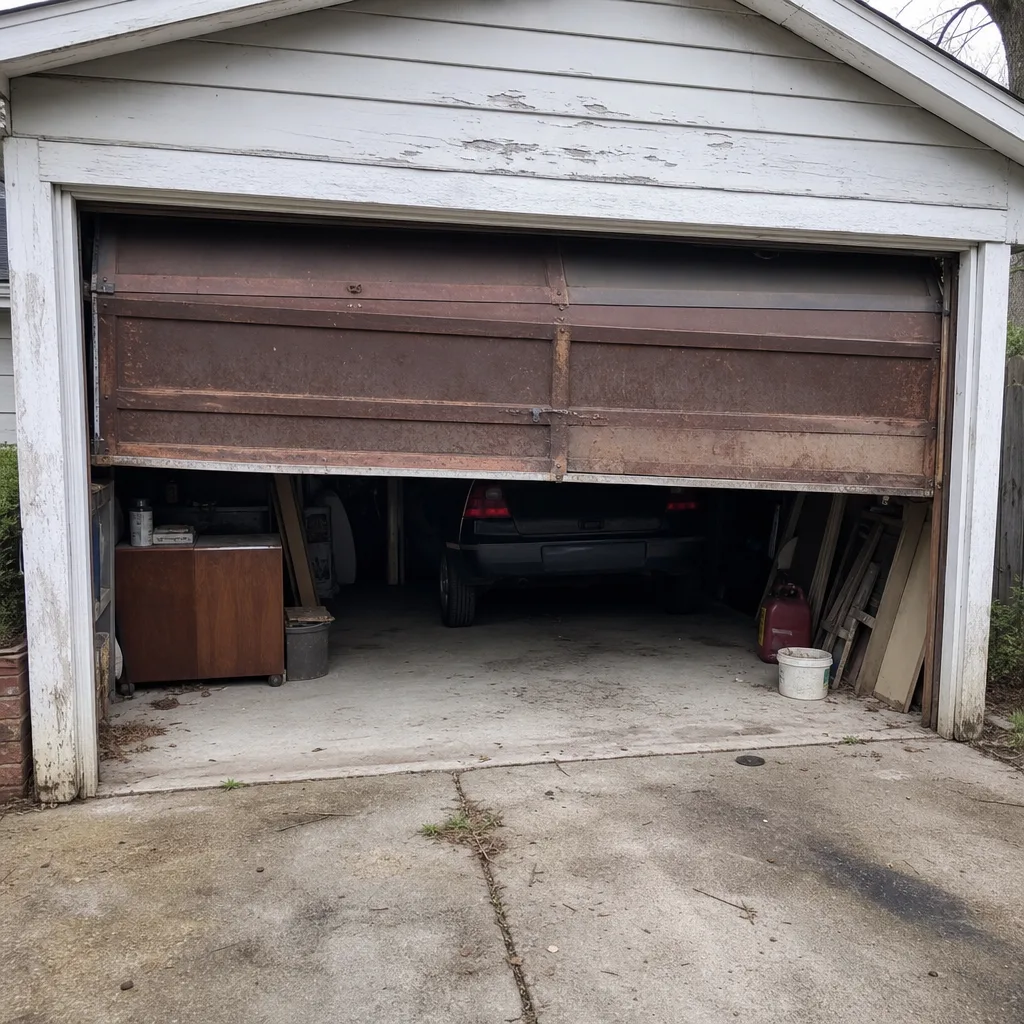 Before
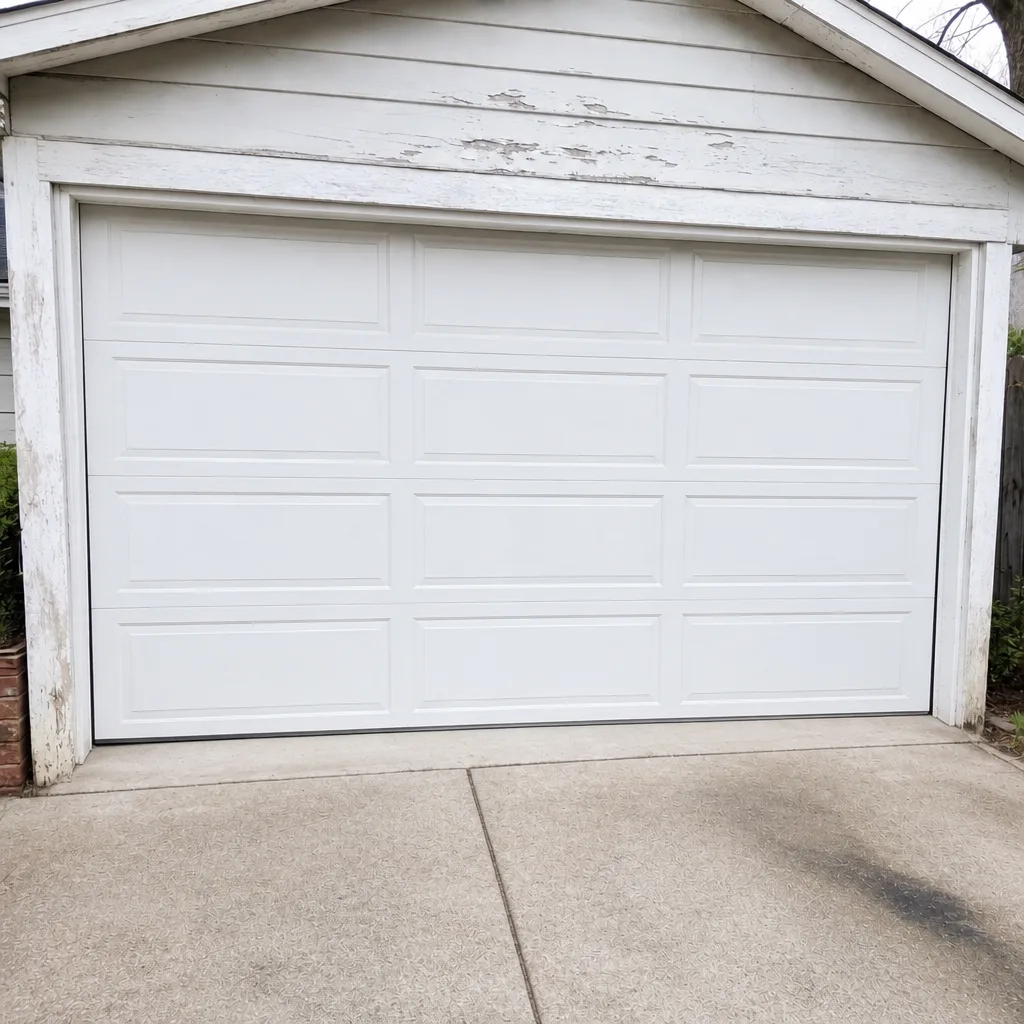 After
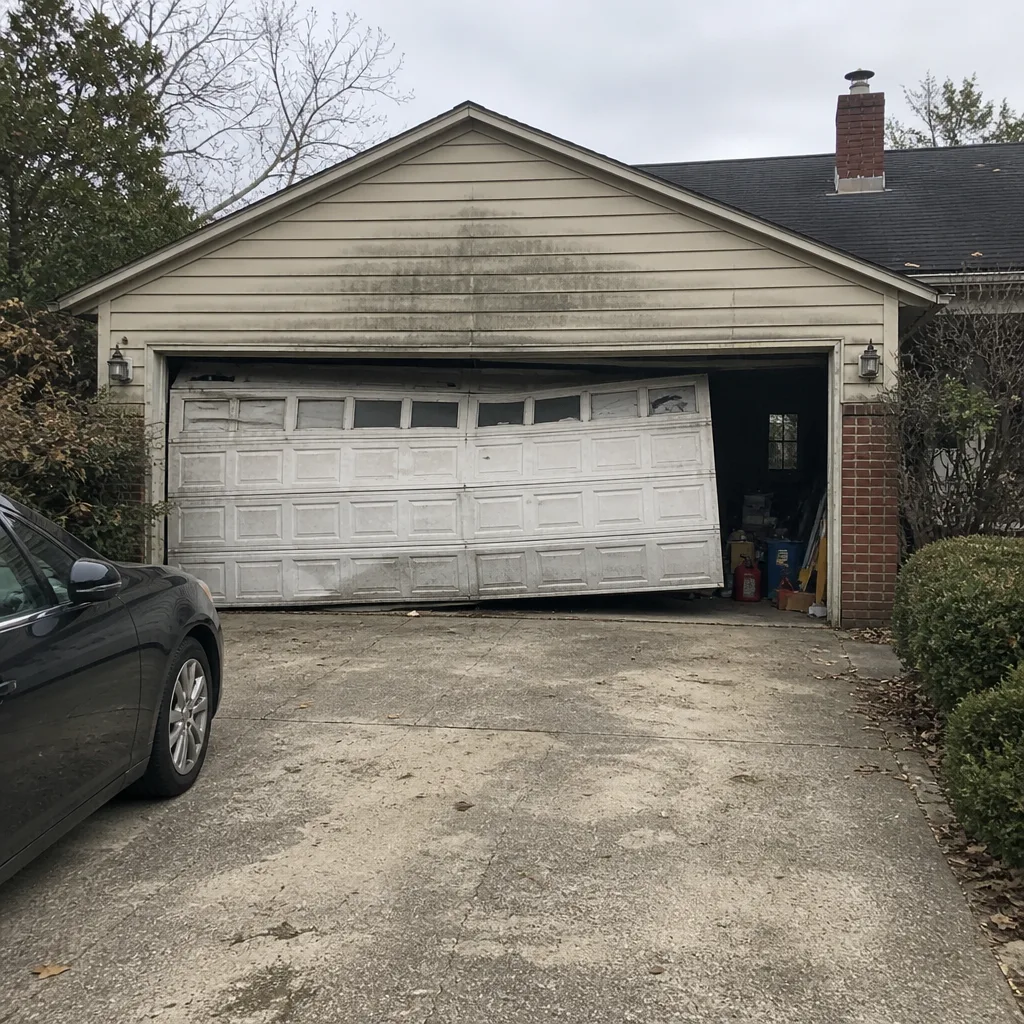 Before
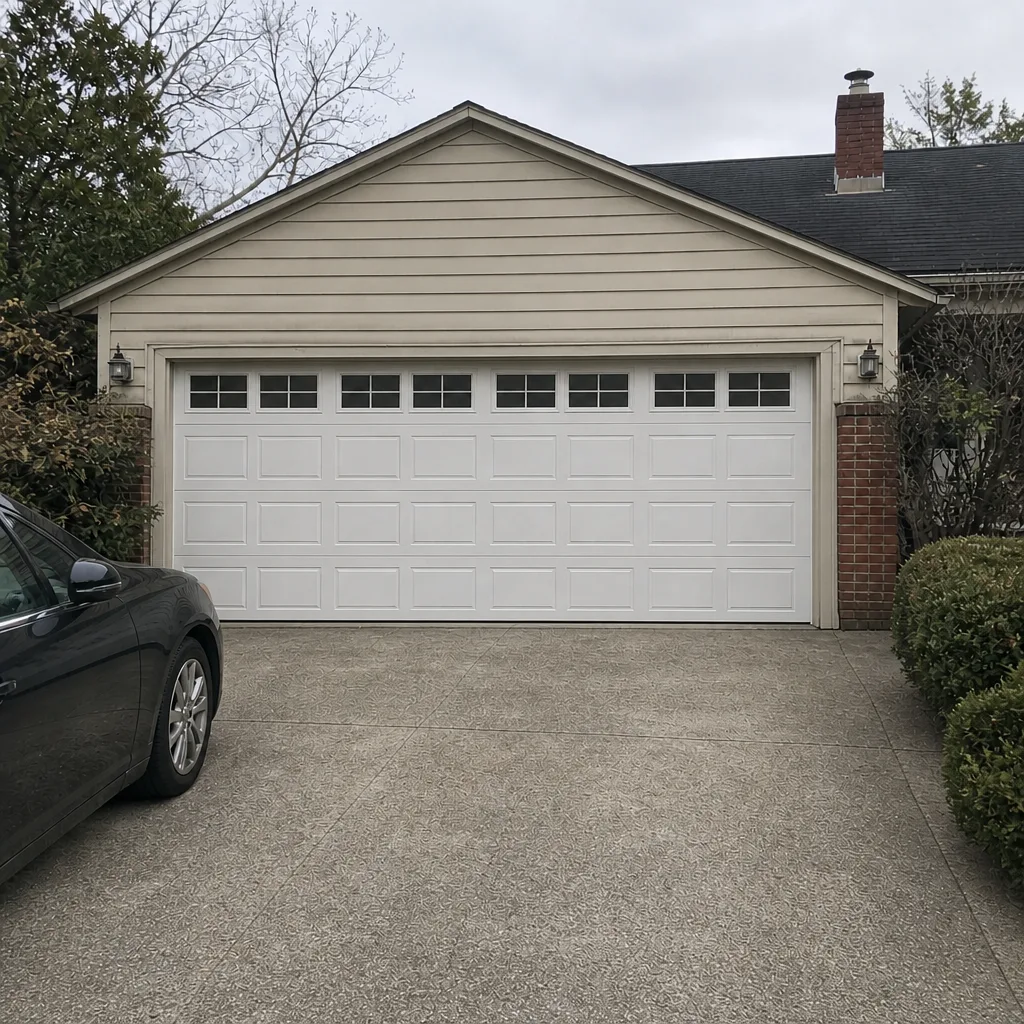 After
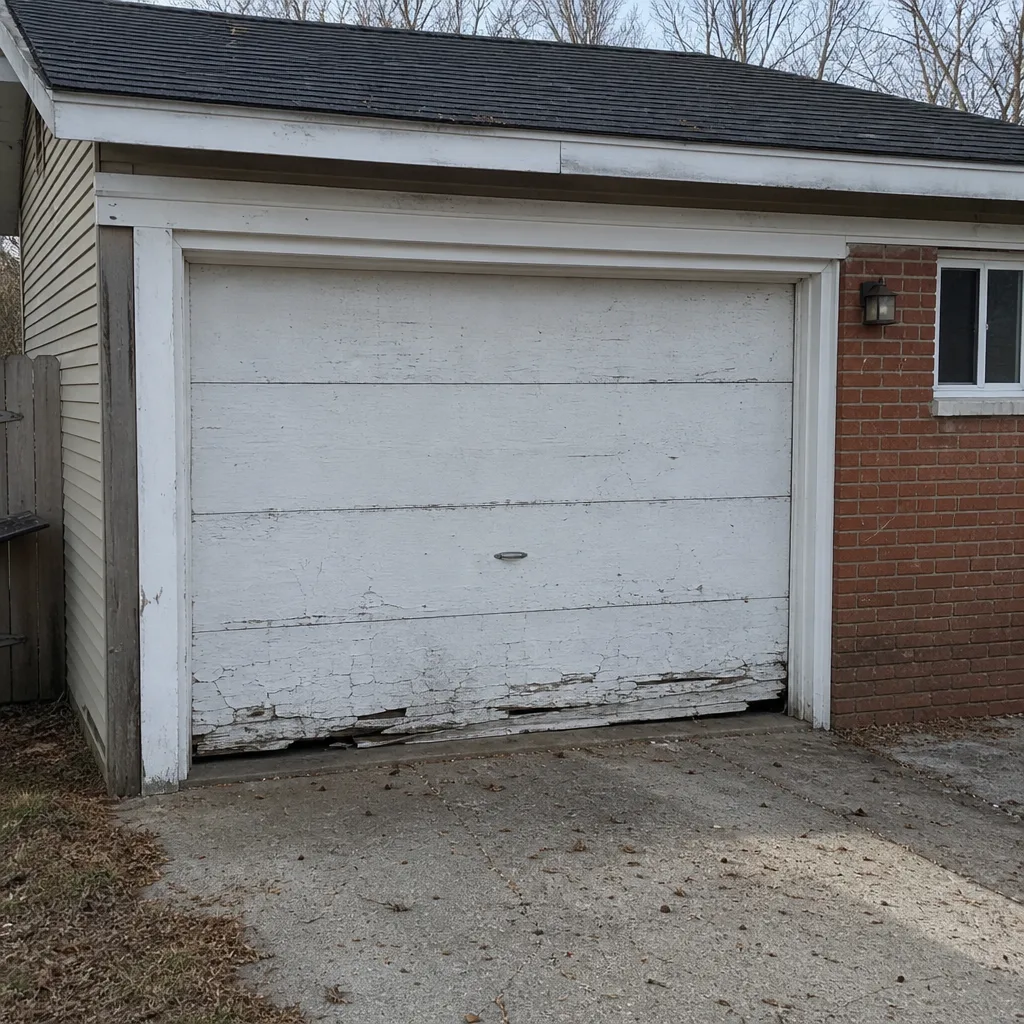 Before
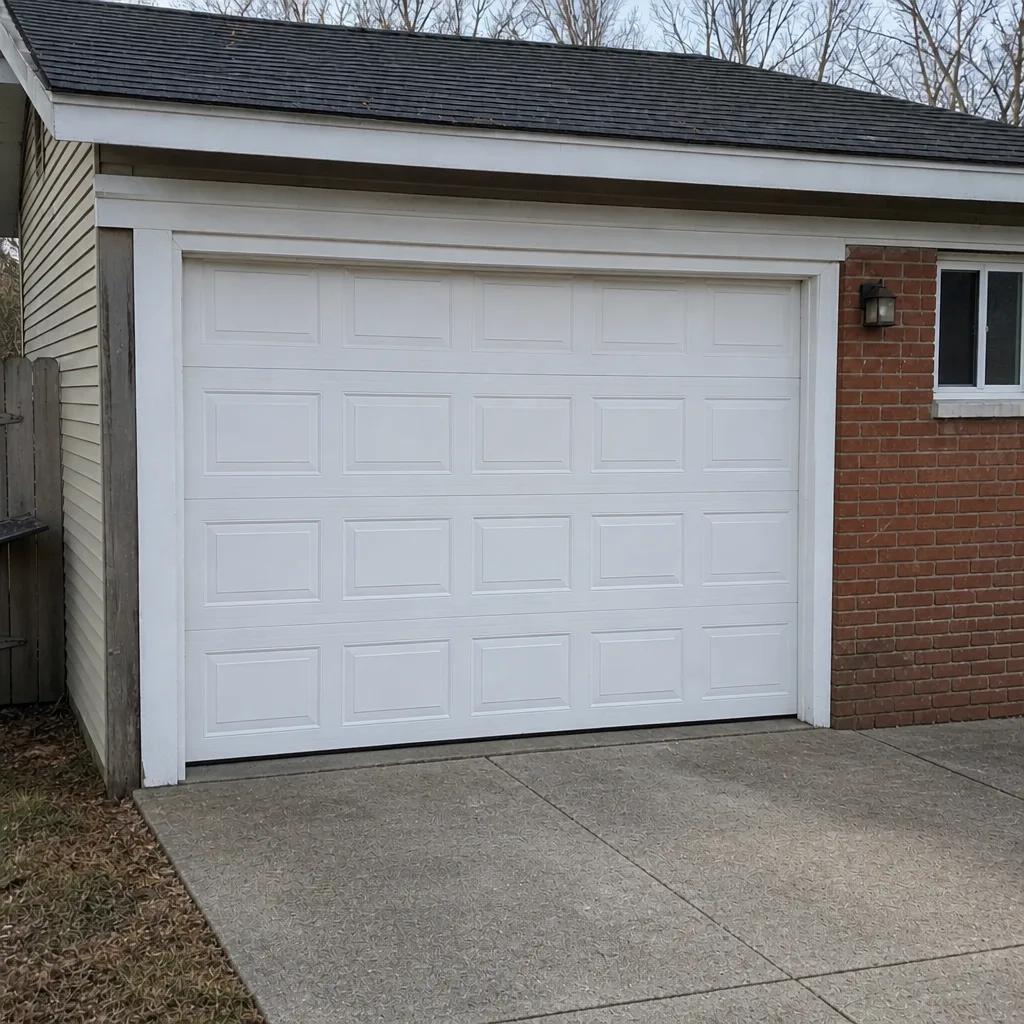 After