Last updated November 23, 2026
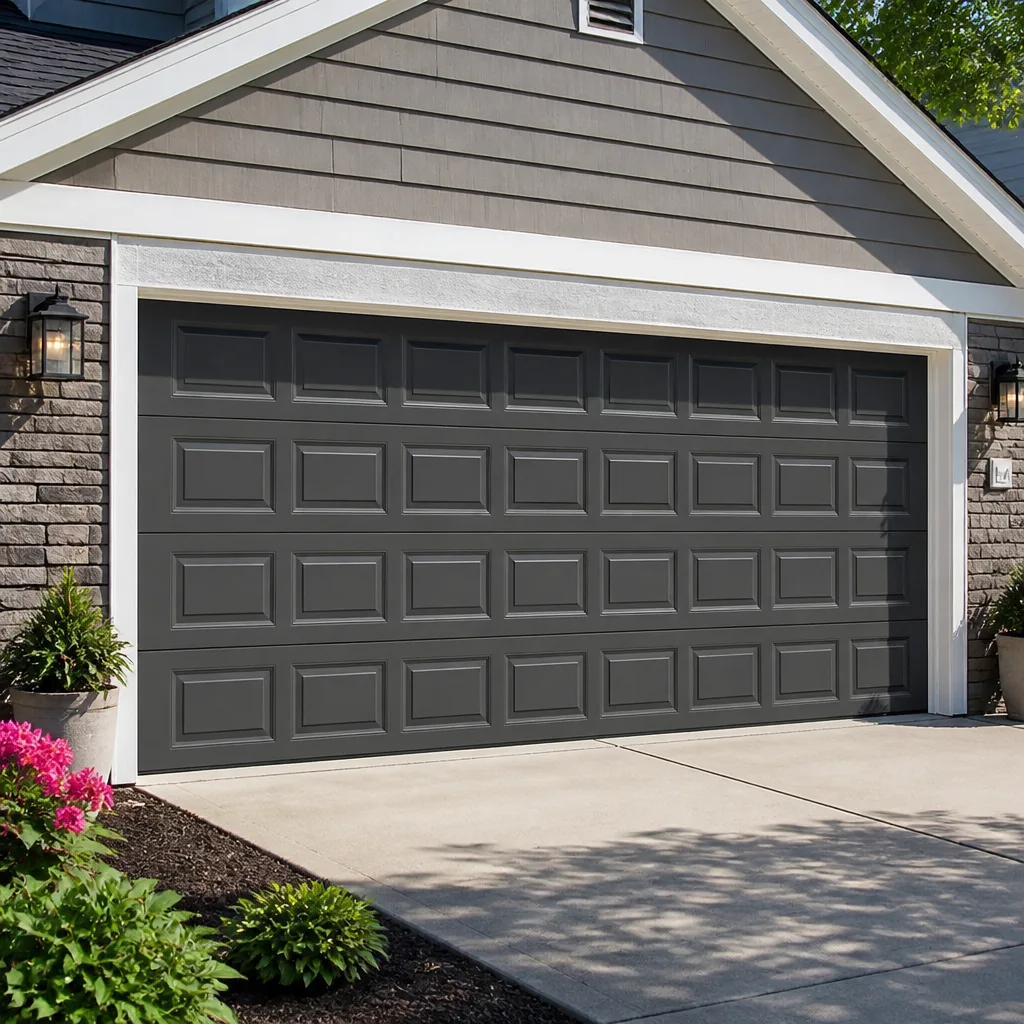 Raised-panel steel
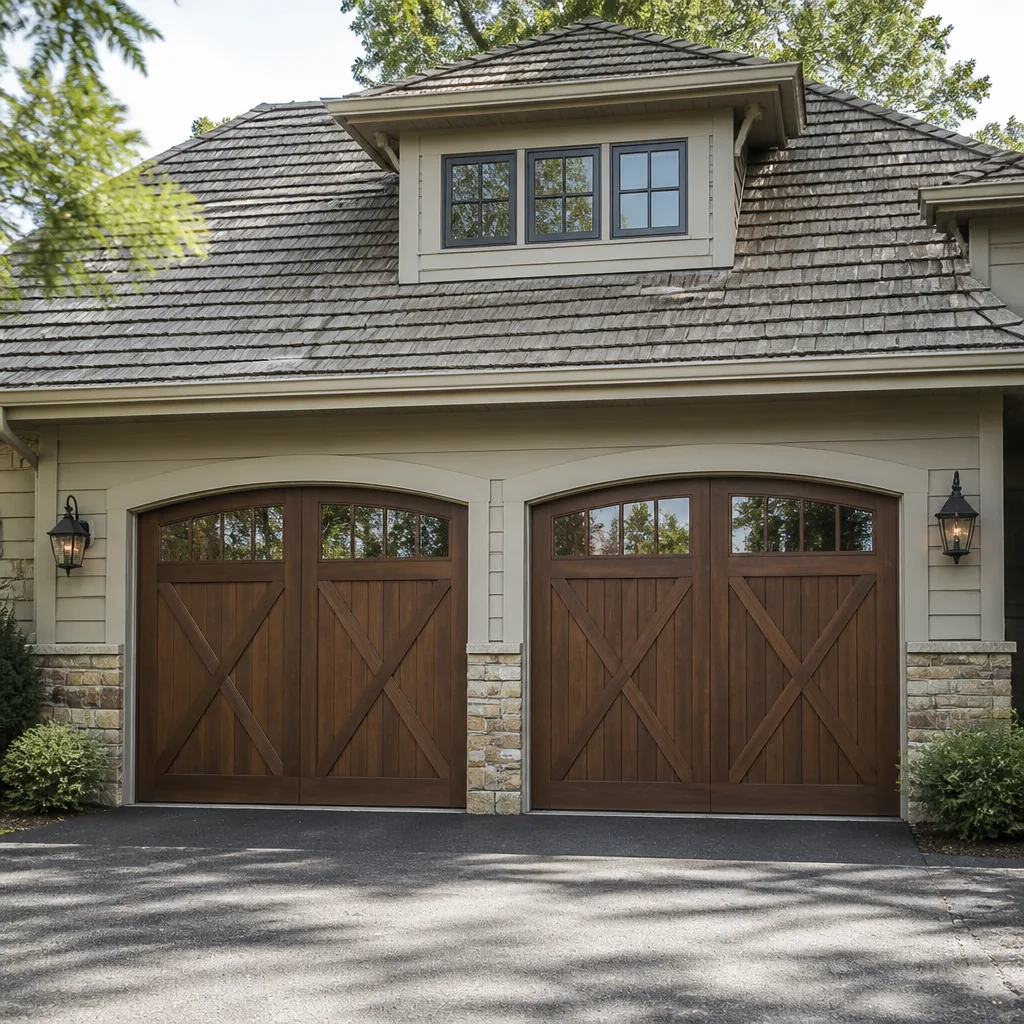 Carriage house
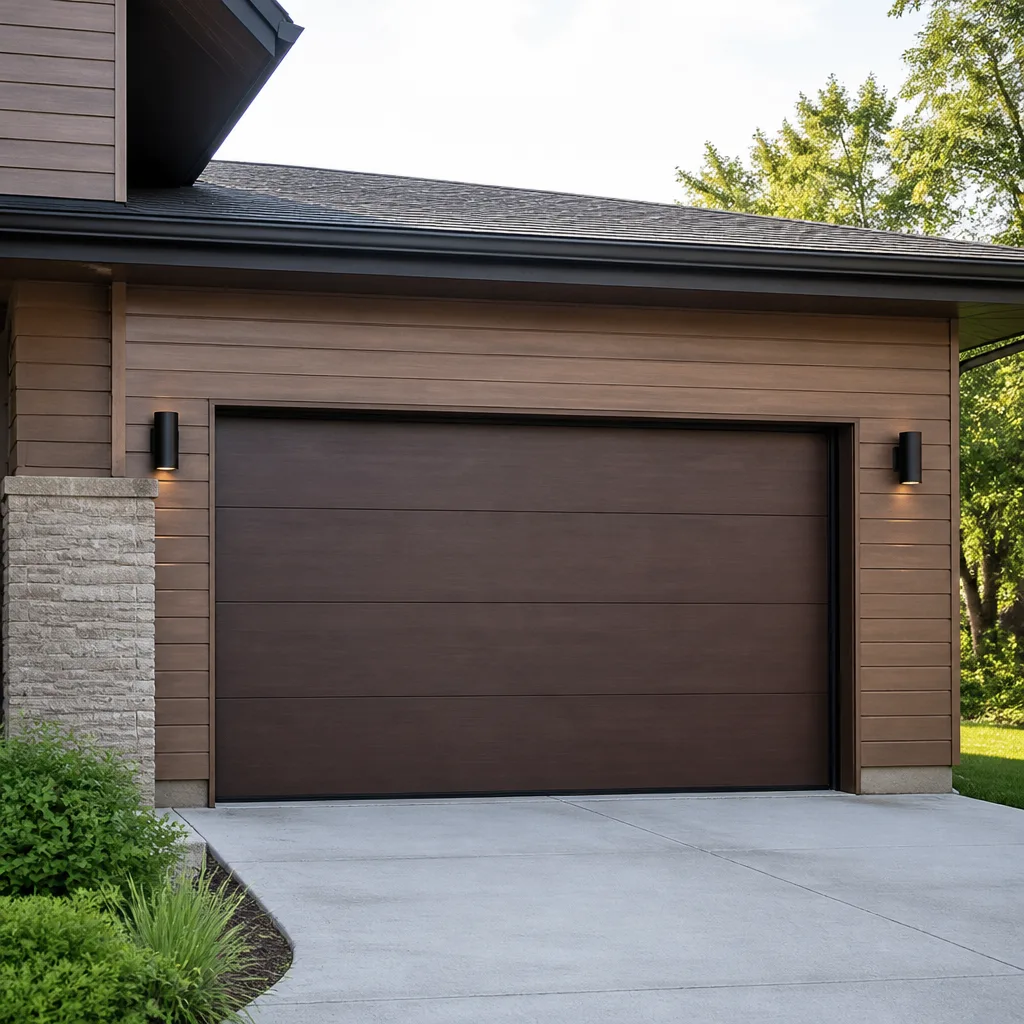 Modern flush
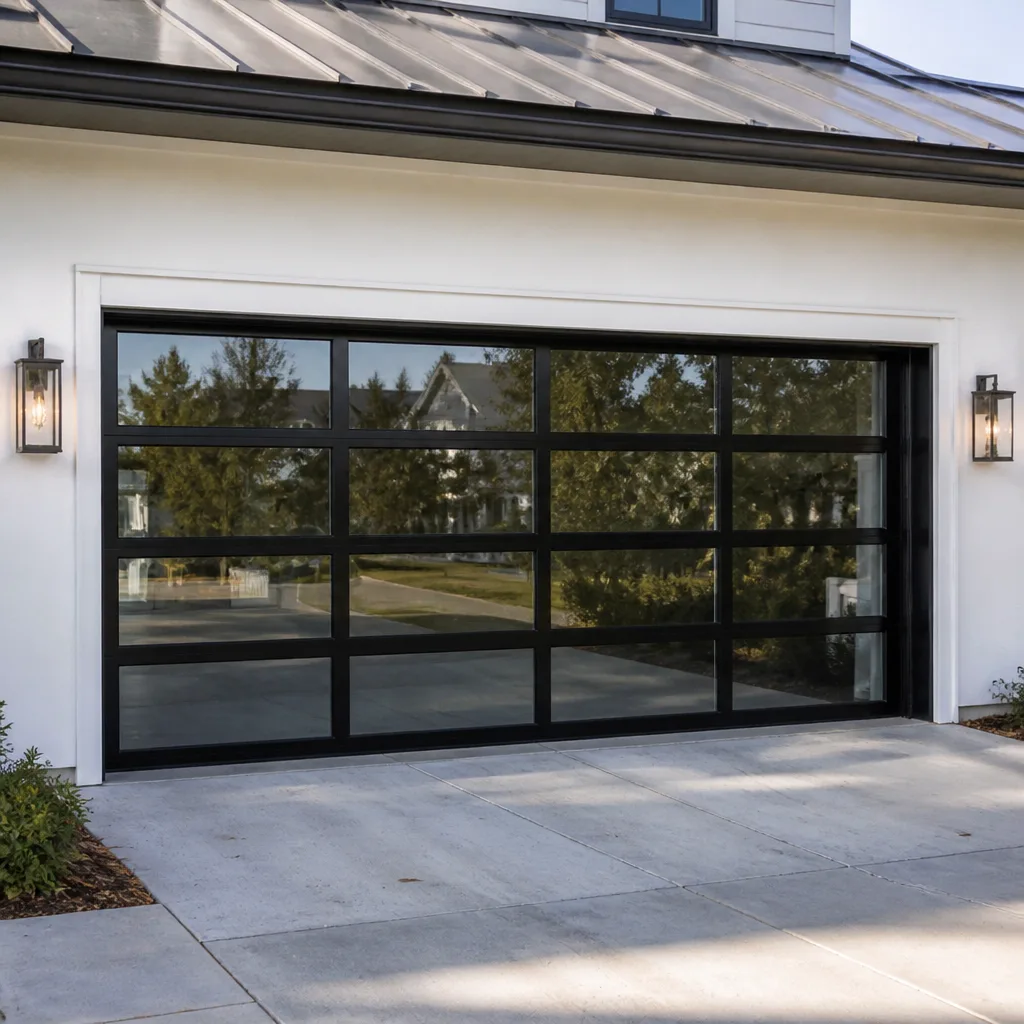 Full-view glass
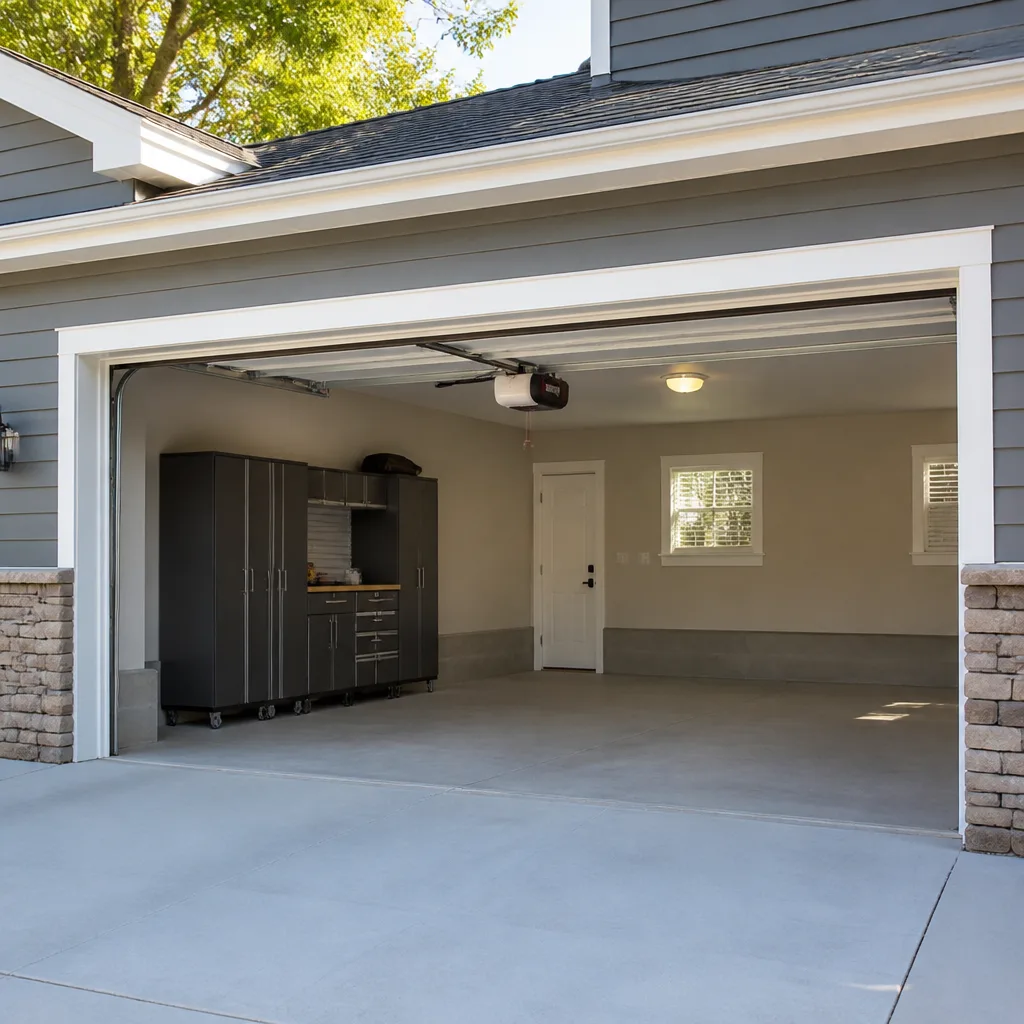 LiftMaster openers
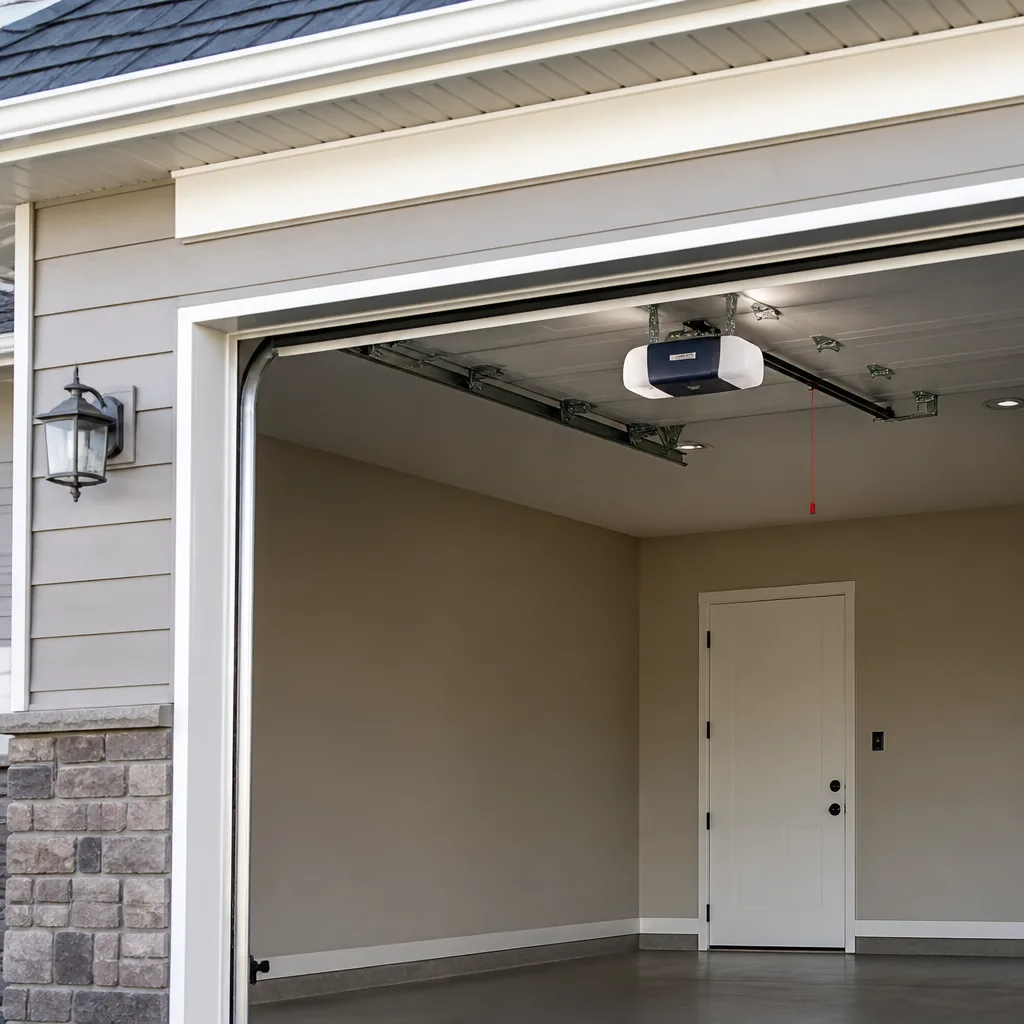 Chamberlain openers
Full 25-point door and opener safety check with every visit - springs, cables, rollers, tracks, and your LiftMaster or Chamberlain opener included
You get a price before we start. It does not change when the pro arrives.
Get your free estimateGarage Door Warning Signs: A College Park Homeowner’s Reference Guide
A grinding noise and an unexpected reverse are both “warning signs,” but they sit at opposite ends of a spectrum. One is usually a safety sensor knocked a fraction out of alignment, a quick fix you can handle yourself in ten minutes. The other can mean a torsion spring is close to failing, and the smart move is to stop running the door entirely. Treating those two situations the same is how a cheap problem gets ignored and a dangerous one gets normalized. This guide gives you a severity-tiered way to read your door’s symptoms, the specific sounds to listen for, ground-level checks you can do safely, and the College Park conditions that speed certain failures up.
Quick Answer
Garage door warning signs fall into three tiers: green (monitor and schedule service), yellow (limit use and book soon), and red (stop using the door immediately). Red signs include a snapped or visibly stretched spring, a hanging cable, a door that falls when partly raised, or a door that reverses for no reason with the sensors clear. Most other noises and sluggishness are green or yellow and can wait for a scheduled visit rather than an emergency call.
Styles & brands we work with
- Raised-panel steel
- Carriage house
- Modern flush
- Full-view glass
- LiftMaster openers
- Chamberlain openers
Table of Contents
- The Severity Index: Green, Yellow, and Red Signs
- What Your Door’s Noises Are Telling You
- Ground-Level Visual Checks You Can Do Safely
- When an Intermittently Working Opener Isn’t the Remote
- How College Park Weather Drives Specific Failures
- Spring Warning Signs and Why They’re the Most Serious
- Which Fixes Are Safe to DIY and Which Aren’t
- When to Call a Professional
The Severity Index: Green, Yellow, and Red Signs
Most homeowner guides lump every odd noise and wobble together and tell you to call someone. That’s not useful. What you actually need is a way to sort symptoms by risk so you know how quickly to act. We use a three-tier index when we assess doors in College Park, and you can apply the same thinking from your driveway.
Green: Monitor and schedule service
- A single light squeak or light grind that comes and goes.
- A door that’s a little noisier in cold weather but still moves evenly.
- Fading paint, a loose hinge screw, or rattling panels.
- A remote that works only from close range.
These are normal wear signals. None of them put you in danger, but they’re worth a scheduled visit before they progress.
Yellow: Limit use and book soon
- Consistent grinding or popping when the door moves.
- The door hesitates, slows, or reverses some of the time but not always.
- Visible wobble or a door that drifts to one side as it rises.
- A slight gap or bow in a track, or rollers that squeal on every cycle.
- An opener that strains or runs longer than it used to.
Yellow means run the door only when you need to and get it on the schedule. Working it hard while something’s straining wears out more parts.
Red: Stop using the door immediately
- A snapped spring, or a gap visible in a torsion spring on the shaft above the door.
- A cable that’s hanging loose or crossed on a drum.
- A door that slams down, drops fast, or feels far too heavy to lift by hand.
- Any door that comes off its track, or a bracket pulling away from the wall.
- A door that reverses with the sensors clear and the path unobstructed.
Red signs mean the door is no longer safely held by its counterbalance system, and running it risks injury or more damage. This is where emergency service is the right call, not an upsell. If your door is in this category right now, the fastest path is a call to (844) 622-0665 so we can get a technician out.
What Your Door’s Noises Are Telling You
A garage door is a mechanical system with a handful of moving parts, and each one fails in a recognizable way. Fine-tuning your ear narrows down the cause before anyone arrives. Here’s what each sound usually implicates.
Grinding
Grinding points to metal-on-metal contact, most often dry or worn rollers, a misaligned track, or a torsion spring that’s lost its lubrication. If it’s constant and gets worse near the top of travel, suspect the track and rollers. Grinding is typically a yellow sign: limiting use while you book is the smart move.
Popping
A sharp pop or bang, especially at the start and end of travel, often signals a torsion spring catching or a cable jumping a drum. Popping can also come from a door panel flexing against a binding track. Any popping that repeats on every cycle deserves a look; if it accompanies a sudden loss of door weight, treat it as red.
Squealing
A high-pitched squeal is usually a dry roller, a dry hinge, or a worn nylon roller. It’s annoying more than dangerous and generally a green sign. Lubricating the moving parts (rollers, hinge pivots, and the spring with the right product) can quiet it, but a persistent squeal after lubrication means a roller is worn out and should be replaced.
Banging or slamming
A bang that happens as the door reaches the floor or ceiling means the travel limits or force settings are off, or the safety reverse is failing. This is a red flag for the door’s force system and often an opener issue. Don’t keep running it; a door that closes with force can injure a person or pet.
If the sound you’re hearing doesn’t match any of those, or it’s consistent and getting louder, our team can diagnose it in person. We don’t guess at a problem over the phone when a technician needs to hear it under load.
Ground-Level Visual Checks You Can Do Safely
You don’t need to climb a ladder or touch the springs to catch most problems. These checks are done from the ground with the door closed, and they tell you a lot. Do them once every few months, and after any storm.
- Look at the springs. With the door down, look at the shaft above the door or the long springs running parallel to the track. A visible gap in a torsion spring, or a spring that looks stretched or unwound, is a red sign. Do not touch it.
- Check the cables. Run your eye along both sides of the door. Cables should be taut and seated on the drums. A cable that’s hanging slack, crossed, or frayed is a red sign.
- Scan the tracks. Both vertical and horizontal tracks should be straight and parallel. A bent or bowed section, or a track that’s pulled away from the wall, is a yellow sign.
- Inspect the rollers. Look at the wheels running inside the track. Worn steel rollers look flat or grooved; nylon rollers that are cracked or chipped need replacing. Any roller that wobbles in its bracket is a wear indicator.
- Check the door balance (carefully). With the door about halfway up and disconnected from the opener, it should stay put. If it drifts down on its own, the springs are losing tension.
- Test the safety reverse. Put a small object like a roll of paper towels under the door and close it. The door should reverse on contact. If it doesn’t, stop using the opener and book service.
Those checks are safe from the ground. Anything that involves reaching into the spring assembly, adjusting the torsion shaft, or disconnecting a loaded cable is not, and we’ll cover why below.
When an Intermittently Working Opener Isn’t the Remote
If your opener works sometimes and not others, and the system is more than about seven years old, the remote battery is the least likely culprit. Intermittent operation in an older unit usually points to something inside the opener itself. Here’s how to think about it.
- Logic board problems. The control board handles signals between the remote, the wall switch, and the motor. A failing board produces erratic behavior: the door moves partway and stops, responds to one remote but not another, or the lights flicker for no reason.
- Worn drive gear. Chain and screw drives wear at the gear that turns the drive. When that gear strips, the motor spins but the door doesn’t move, or it moves a few inches and stalls.
- Failing safety sensors. Sensors that are dirty, misaligned, or have a loose wire will cause the door to reverse or refuse to close intermittently. That’s a green-to-yellow sign and often a simple adjustment.
- Weak capacitors or motor strain. On older units, a tired capacitor makes the motor struggle to start on cold mornings and eventually fail.
We work on opener repair across the drive systems in most homes, including belt, chain, screw, and jackshaft. We handle LiftMaster and Chamberlain units as a matter of course, and Craftsman and Raynor systems too, because we work on the brand you already have rather than steering you toward a new unit. Many intermittent problems are a board or gear fix, not a full replacement.
How College Park Weather Drives Specific Failures
College Park sits in a mid-Atlantic climate with humid summers, wet spring and fall storms, and winters that bring road salt and hard freezes. That combination hits garage door hardware in specific ways, and if you know what to watch for you can catch problems early.
Tree debris and summer storms
College Park’s older neighborhoods have mature trees, and summer storms drop leaves, twigs, and the occasional branch. Debris collects in the tracks and on top of the door, and it’s a leading cause of grinding and track binding. After any storm, clear the tracks before running the door. Wet debris left sitting on the door’s top panel stains paint and keeps moisture against the metal.
Humidity and spring and fall rain
Long wet stretches rust steel rollers, corrode hinges, and strip lubricant off springs and tracks. Rusty rollers create the grinding sound we mentioned, and corroded hinge pivots squeal. A few drops of the right garage door lubricant on the moving parts, applied before the wet season, prevents most of this. If your door sounds fine all summer and starts squealing in October, moisture is usually the story.
Road salt and winter freeze
Road salt tracked onto the door’s lower panel and into the bottom track accelerates corrosion, especially on steel doors. Sand and grit from treated roads get into the rollers and bind them. And freeze-thaw cycles can stiffen springs and cause the opener to work harder in cold weather. In our experience, the door that struggles most in January is often the one that had an aging spring nobody noticed all year. Check the spring gap and the door balance before the first hard freeze.
Spring Warning Signs and Why They’re the Most Serious
A garage door’s springs carry the door’s entire weight, and torsion and extension springs are under extreme tension every moment the door exists. That’s why we treat spring symptoms as a category of their own. If you see any of these, stop using the door and call for service.
- A gap or separation visible in a torsion spring.
- Visible stretch, droop, or unwinding in an extension spring.
- The door feels extremely heavy when you lift it by hand.
- A loud bang from the garage, followed by a door that won’t open.
- Cables that have gone slack right after the door stopped working.
Springs are under extreme tension, this is not a DIY repair. We handle torsion and extension spring work as a named specialty because it’s high-risk without the right tools and training. If your door has failed at an inconvenient time and you need emergency garage door service, that’s what we’re here for. When you need a spring looked at, we can book a garage door spring repair visit and quote the price in writing before any wrench turns.
Which Fixes Are Safe to DIY and Which Aren’t
Plenty of garage door maintenance is within reach for a careful homeowner. Some of it absolutely isn’t, and the line between the two is worth knowing so you don’t hurt yourself or make a small problem worse.
Usually safe to try yourself:
- Clearing debris from the tracks with a soft brush.
- Lubricating rollers, hinges, and the spring with a proper garage door lubricant.
- Tightening a loose hinge screw or a loose track bracket bolt.
- Cleaning and realigning safety sensors.
- Replacing a remote battery and re-pairing the remote.
Not safe to attempt:
- Adjusting, tightening, or replacing torsion springs.
- Disconnecting or re-seating a loaded cable.
- Bending a track that’s out of alignment.
- Adjusting the torsion shaft or the force and travel limits if you aren’t sure how the opener reads them.
- Working on electrical wiring inside the opener.
Electrical work inside an opener or a wall-mounted control carries a real shock risk, and spring and cable work can cause serious injury in an instant. When in doubt, it’s a call, not a project. That’s also the honest cost answer: an adjustment you attempt and get wrong usually costs more to fix than the original service would have.
Common Mistakes to Avoid
- Ignoring a slow grind because the door still opens. A door that still moves is not necessarily safe. Grinding means parts are wearing, and worn parts fail at the worst time, often in winter.
- Calling for an emergency visit over a sensor misalignment. A door that reverses with a clear path is usually a sensor issue, and it’s a quick scheduled visit. Save emergency service for the red signs.
- Forcing a heavy door up by hand. If the door is genuinely heavy to lift, the spring has failed or is failing. Forcing it can bring the door down or snap a cable.
- Lubricating the tracks. Track lubricant is a common mistake and attracts grit that binds the rollers. Lubricate the moving parts, keep the tracks clean and dry.
- Assuming a balky opener needs a full replacement. Intermittent behavior on a lift system over seven years old is often a board, gear, or capacitor fix. We diagnose before recommending a new unit.
- Skipping a post-storm track check. In College Park, a branch or a clump of wet leaves in a track is one of the most common causes of binding. A thirty-second look after a storm saves a service call.
- Ignoring a bent track. A bowed or bent track wears the rollers unevenly and strains the opener. Left alone, it leads to a door that jumps its track, which is a much bigger repair.
See the difference
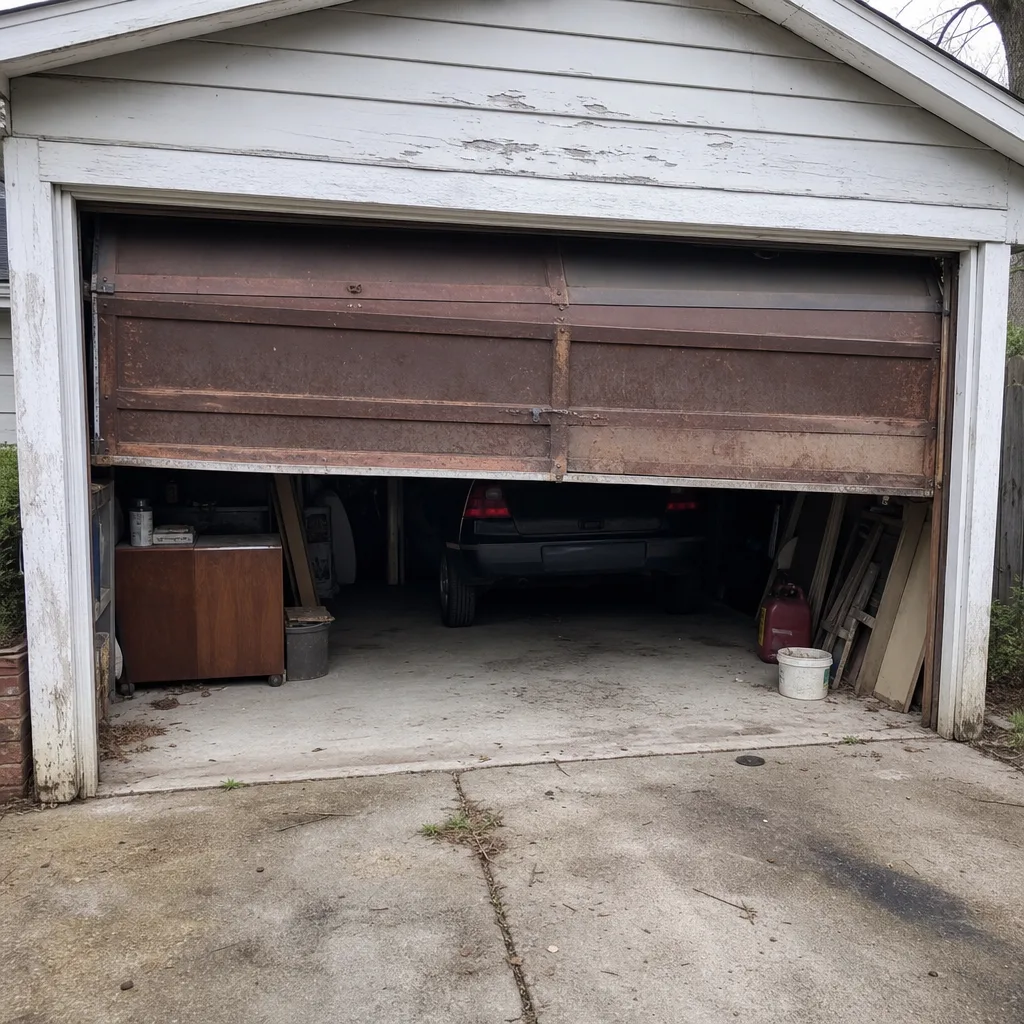 Before
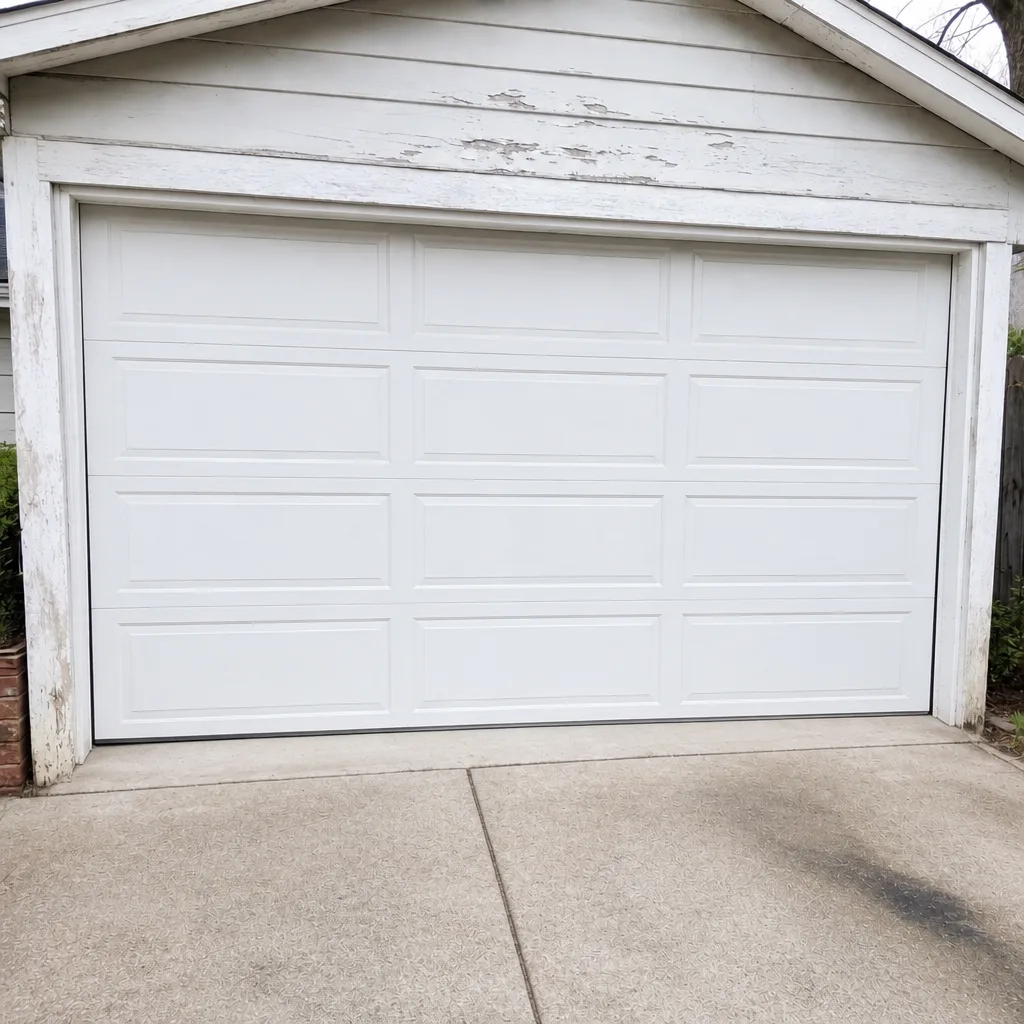 After
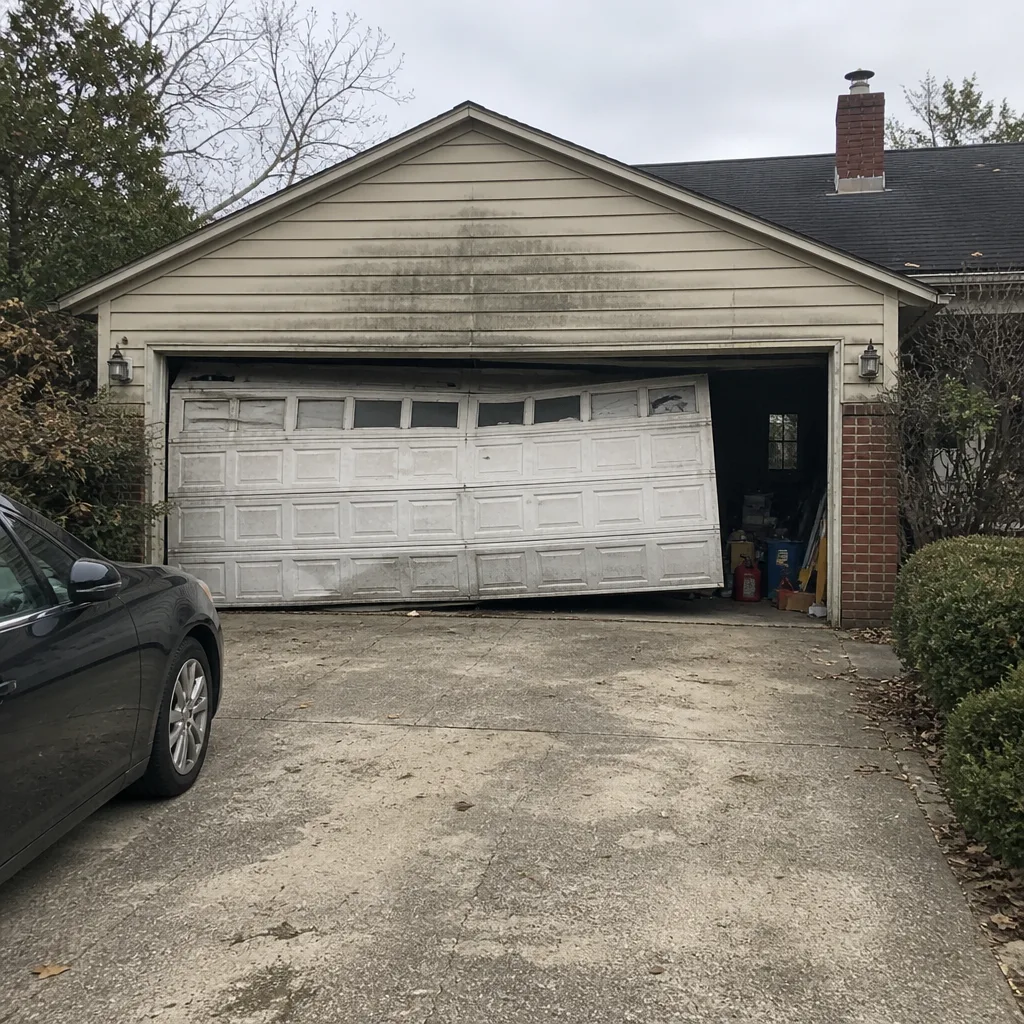 Before
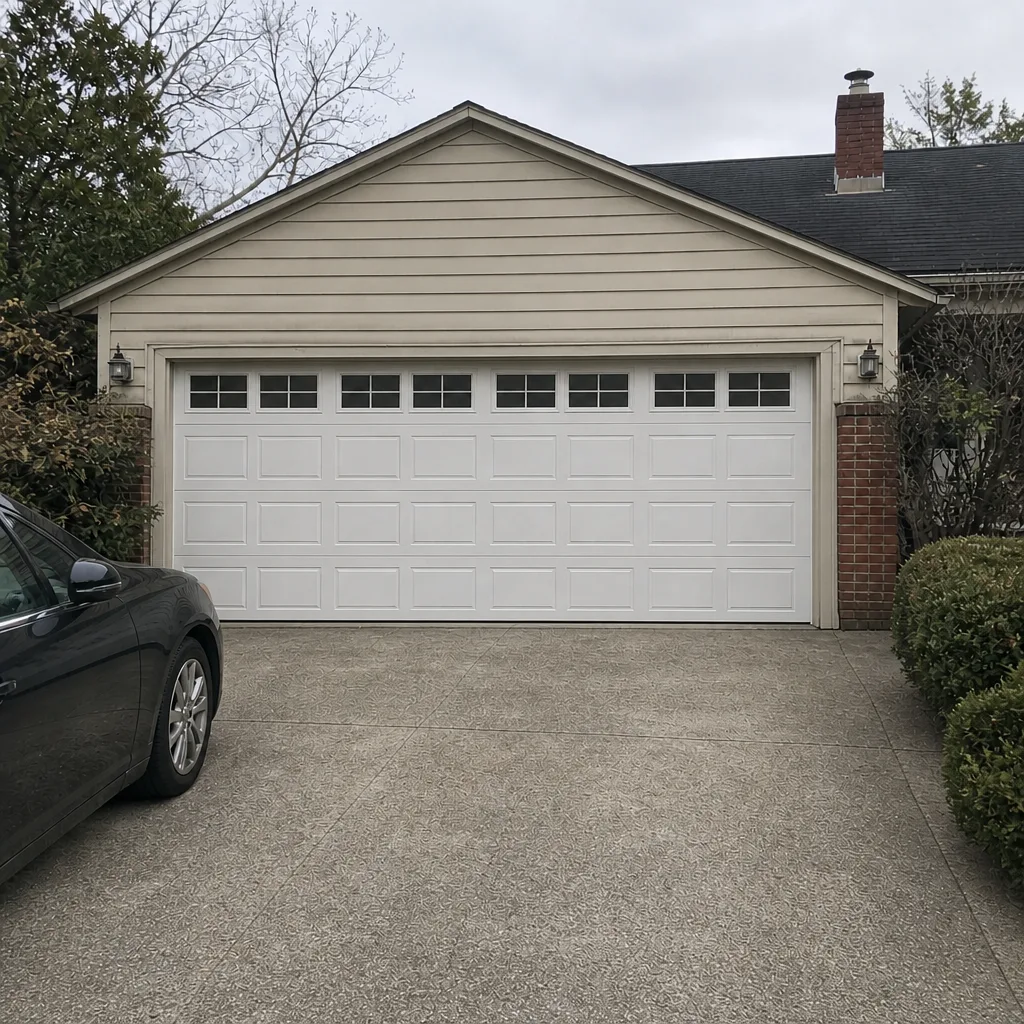 After
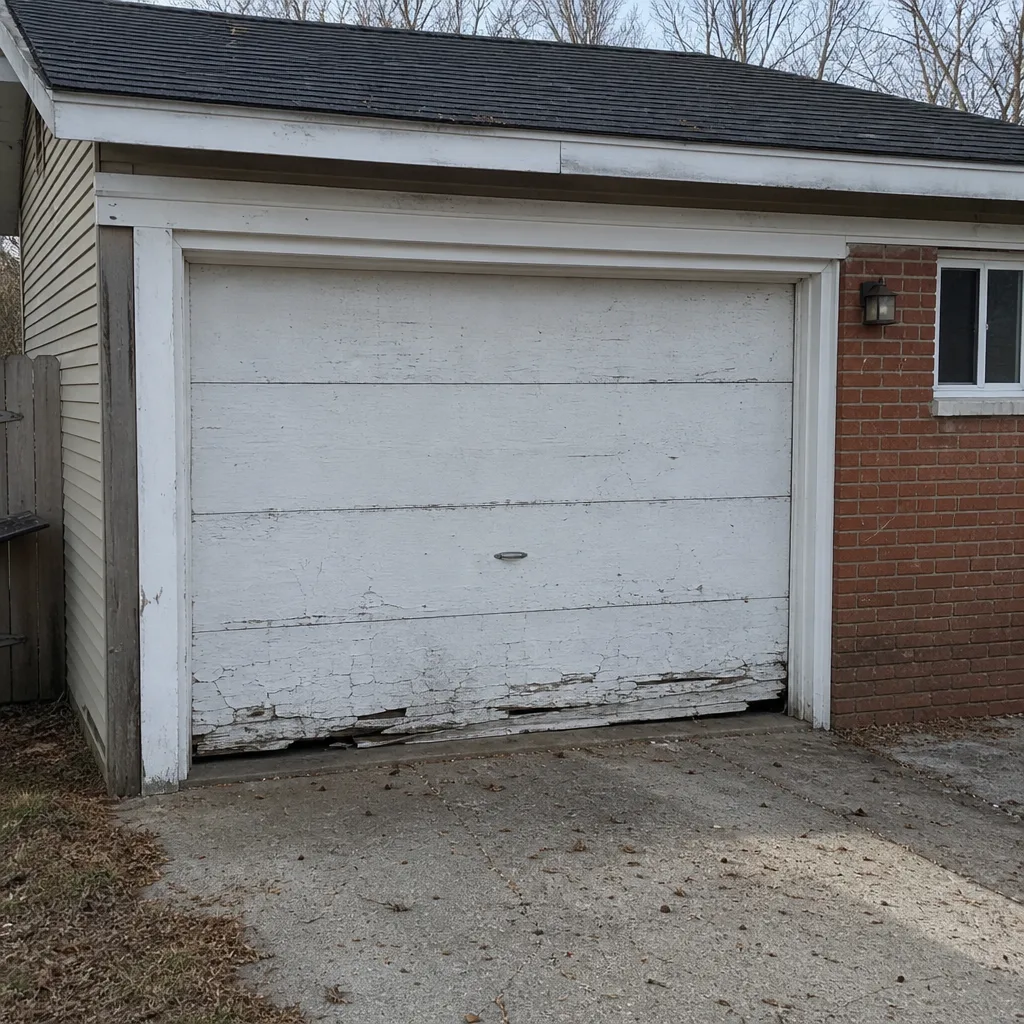 Before
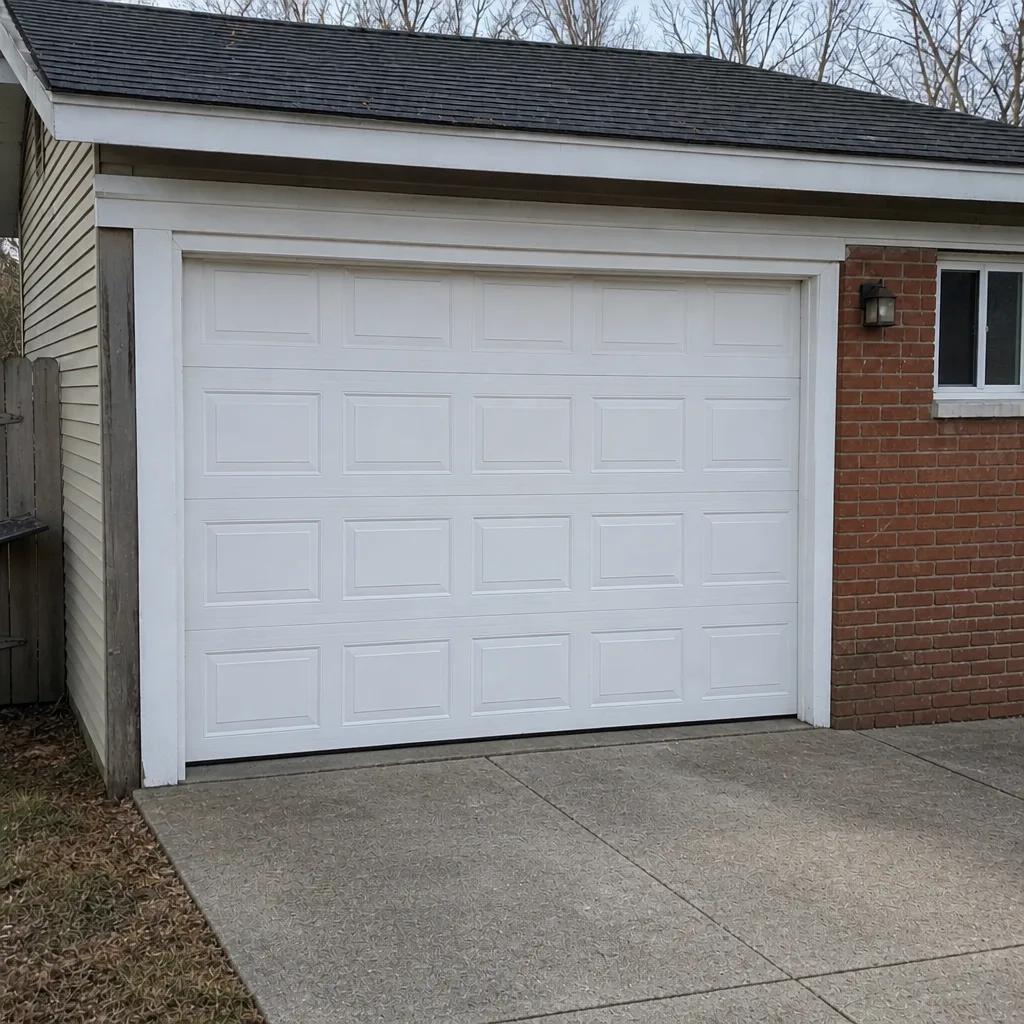 After
When to Call a Professional
Call when you see a red sign: a snapped spring, a hanging cable, a door that slams, or a door that reverses with the sensors clear. Call if the door feels too heavy to lift, if it’s come off its track, or if a bracket has pulled away from the wall. Yellow signs, like consistent grinding, popping, or a door that hesitates, should get a scheduled visit before they escalate. Green signs can wait for routine service but are worth mentioning when you book. College Park Garage Door Repair Pros offers free estimates in College Park, and we quote the price in writing before any work starts. Call (844) 622-0665 and we’ll help you sort out which tier your door is in.
Frequently Asked Questions
A snapped or visibly stretched spring, a hanging or crossed cable, a door that drops or slams, and a door that reverses with no obstruction are the most serious. All of them mean the door isn’t safely counterbalanced and should be left closed until a technician checks it. Call (844) 622-0665 and we’ll get someone out to diagnose it.
Usually not. A single squeak, light grind, or cold-weather rattle is a monitor-it sign and can wait for a scheduled visit. Consistent grinding, popping, or banging is a limit-use sign and should be booked soon. Only a door that’s visibly lost its springs or cables is an emergency.
Pricing depends on the job, the parts, and the brand, so there isn’t a single number. What we do is give you a written estimate before any work starts, and the written estimate is the price. Free estimates are available: call (844) 622-0665 for an exact quote.
If the opener is more than about seven years old, it’s probably not the remote. Intermittent operation usually points to a logic board, a worn drive gear, a failing capacitor, or a loose sensor wire. We diagnose before recommending replacement, and many units are repairable.
No. Torsion and extension springs are under extreme tension, and adjusting or replacing them can cause serious injury without the right tools and training. Springs are a job for a trained professional. We handle spring repair as a specialty and can come out to assess it.
College Park’s humid summers rust rollers and hinges, storm debris binds tracks, and winter road salt and freeze-thaw cycles strain springs and openers. A quick post-storm track check and a pre-winter lubrication go a long way. For more on keeping the door tuned, our garage door repair page covers routine service and repairs.
Repair first; replace only when the door has structural damage, widespread panel failure, or a repair that costs more than a replacement. Most of the issues in this guide are repairable. If a full replacement makes sense, we handle new installation from start to finish. You can read more about the options on our College Park Garage Door Repair Pros page, and we also handle garage door opener repair if the opener is the issue.
The Bottom Line
Your garage door’s warning signs aren’t all created equal. Learn to sort them by severity, and you’ll know when to monitor, when to limit use, and when to stop the door entirely. The sounds your door makes tell you which component is failing, and a few ground-level checks catch most problems before they become expensive. Keep the tracks clean after College Park’s storms, lubricate before the wet seasons, and don’t touch the springs. Our technicians have up to 12 years of experience and can tell the difference between a ten-minute sensor adjustment and a spring that needs repair today.
Written by the team at College Park Garage Door Repair Pros.