Last updated November 23, 2026
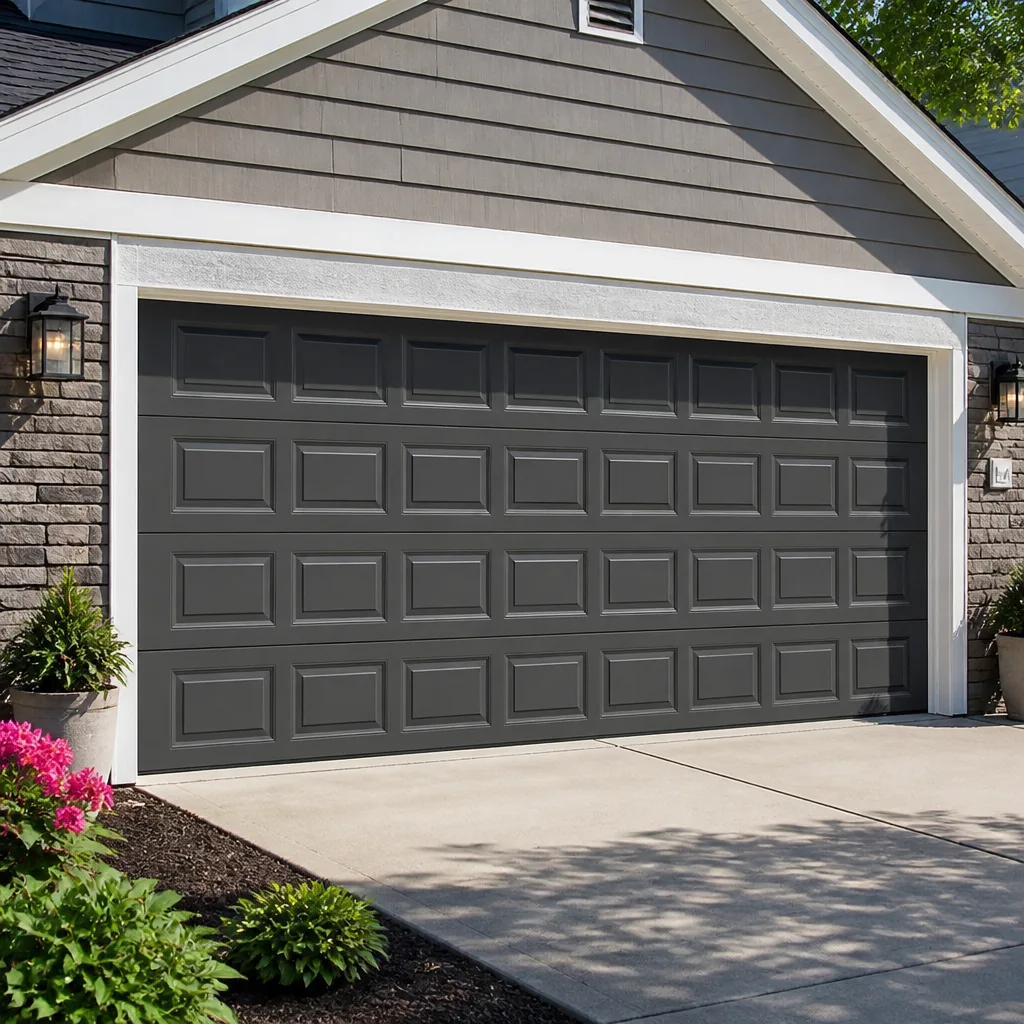 Raised-panel steel
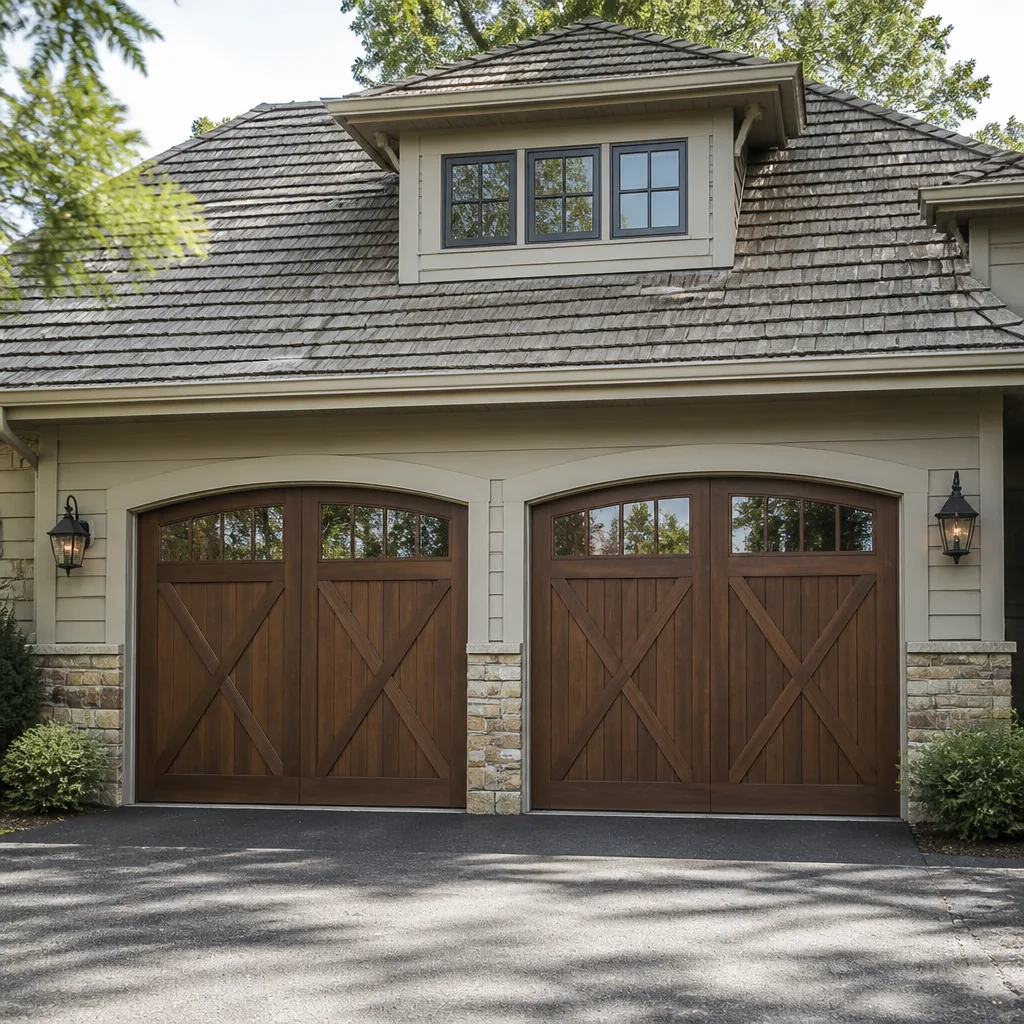 Carriage house
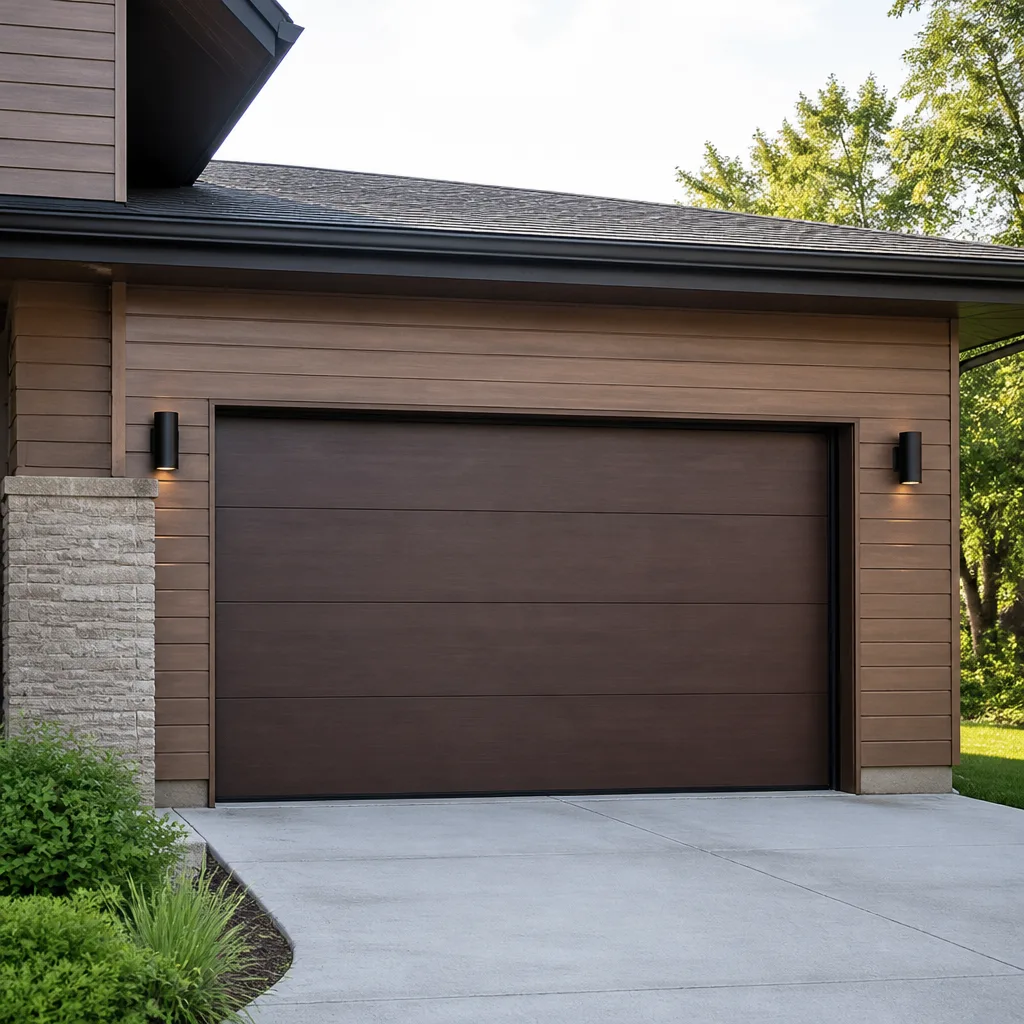 Modern flush
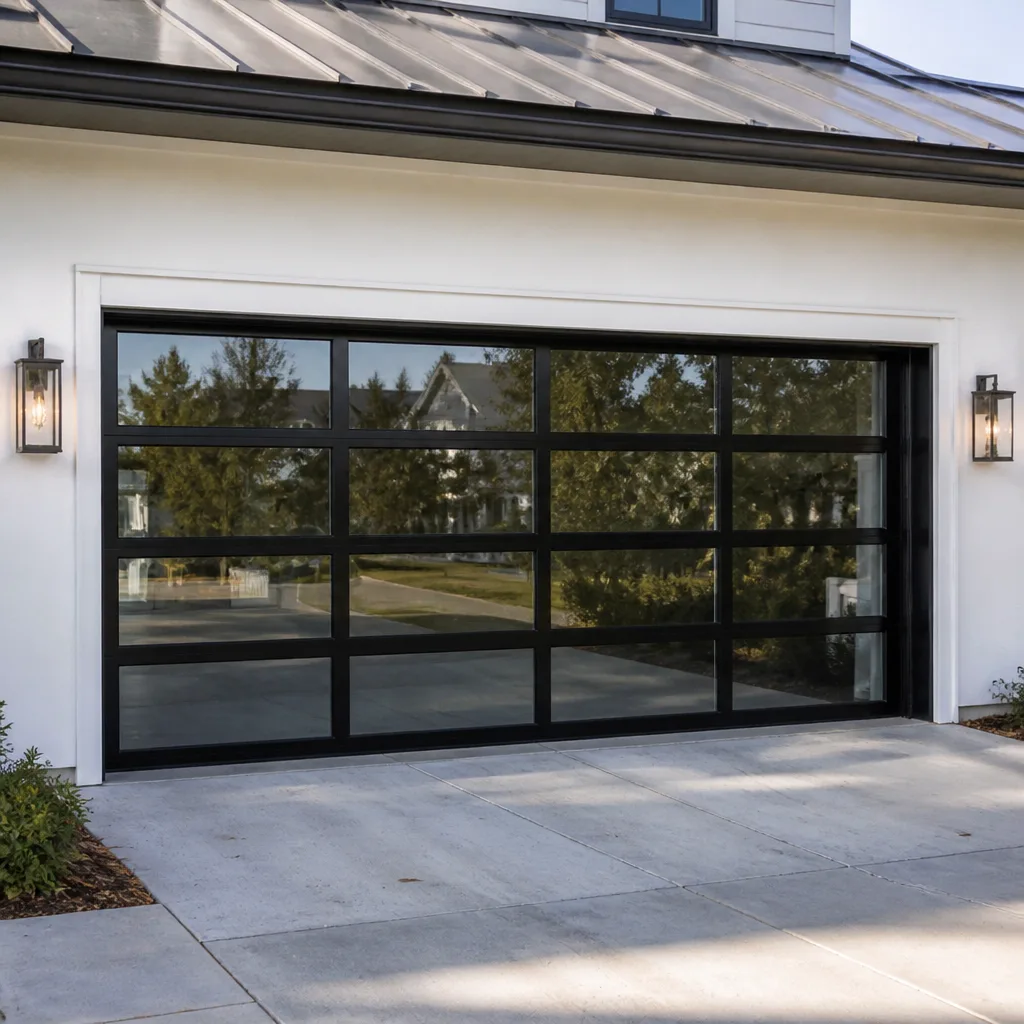 Full-view glass
 LiftMaster openers
 Chamberlain openers
Full 25-point door and opener safety check with every visit - springs, cables, rollers, tracks, and your LiftMaster or Chamberlain opener included
You get a price before we start. It does not change when the pro arrives.
Get your free estimateGarage Door Permits, Codes & Inspections in College Park, MD: What You Need to Know
Most homeowners assume a garage door replacement is a simple swap that never touches the permit desk. In College Park, that assumption can follow the house for years. Under Prince George’s County code, many full replacements count as an alteration to the structure, and an unpermitted one can surface on a home inspection report long after the installers have left. This guide walks through when a permit is actually required in College Park, how the city-versus-county inspection path works at the municipal level, what Maryland’s residential code says about wind load ratings, how to retroactively permit work a previous owner did, and the exact paperwork Prince George’s County DPS expects. We’ll also flag the mistakes that cost sellers the most.
Quick Answer
In College Park, MD, a like-for-like garage door replacement usually does not require a permit, but any job that changes the opening, alters the structural header, cuts a new opening, or encloses a carport or detached garage generally does. Permit applications go through Prince George’s County’s Department of Permitting, Inspections and Enforcement (DPIE), and inspections are scheduled through the county even though College Park is a municipality. Maryland’s adopted residential code (COMAR) also sets wind-load and structural requirements that apply to enclosed carports and new openings. When in doubt, call the county’s permitting office before work begins – a five-minute question saves weeks of paperwork later.
Styles & brands we work with
- Raised-panel steel
- Carriage house
- Modern flush
- Full-view glass
- LiftMaster openers
- Chamberlain openers
Table of Contents
- When does Prince George’s County require a permit for garage door work?
- College Park vs. Prince George’s County: which office handles the inspection?
- What Maryland’s residential code says about wind load ratings
- What you need to submit to Prince George’s County DPS
- How to retroactively permit work done by a previous owner
- What happens on inspection day
- Why getting the permit right protects your home sale
- Common mistakes to avoid
When Does Prince George’s County Require a Permit for Garage Door Work?
Prince George’s County distinguishes a repair or like-for-like replacement from an actual alteration to the structure. Swapping a door onto existing tracks, matching the same opening size, and keeping the same header is typically treated as maintenance. Changing the opening – wider, taller, or shifted sideways – is an alteration and generally needs a permit before anyone cuts. The line isn’t always obvious from the street, so the county’s permitting office is the authority on any given job.
Here’s how the categories usually sort:
- Like-for-like replacement. A new door of the same width and height, on the same header, with the same tracks and opener location. Usually no permit.
- Full replacement with a different model. A Clopay or Amarr door of the same dimensions replacing an old Wayne Dalton or Raynor unit. Still like-for-like in most cases, because the opening hasn’t moved.
- Structural header change. Raising a header to fit a taller door, reinforcing it, or altering the load path. This is a structural alteration and almost always requires a permit and inspection.
- Cutting a new opening. Adding a bay where none existed, or converting a wall for a garage door. New opening cuts require a permit.
- Enclosing a carport or detached garage. Adding walls, doors, and a roof to a structure that was open now turns it into an enclosed building, which brings wind-load and drainage questions into play.
In our experience, the jobs most likely to trigger a permit are the ones a homeowner never mentions on the phone – “just make the opening a little wider” is exactly where the paperwork lives. If your College Park house is a mid-century ranch or a postwar Cape near the University of Maryland campus, its garage opening may be narrower than modern standard, and widening it is a structural job, not a door swap. For straightforward replacements on the same opening, our garage door repair team handles the work without pushing a job into permit territory.
College Park vs. Prince George’s County: Which Office Handles the Inspection?
College Park is a municipality inside Prince George’s County, but residential building permits and inspections for garage door work go through the county’s Department of Permitting, Inspections and Enforcement. The city doesn’t run its own building inspection department for this kind of residential alteration. In practice, that means the paperwork trail runs from your application, through county review, to a county inspector who comes to your College Park address.
This trips people up for a couple of reasons. First, the contractor signs and submits the application, but the permit record remains attached to the property – so if a future owner searches the county’s database, they don’t see the door replacement, only the alteration, or its absence. Second, the city’s role is limited to things like right-of-way encroachment (a driveway apron, a fence in an easement) and certain historic or overlay district reviews. Neither of those comes up in a standard garage door permit for a College Park residential property, but the county can redirect you if a site plan question touches them.
Where College Park’s location matters most is the housing stock. Old Town College Park has smaller lots and older detached garages with low headroom. Hollywood, Berwyn, and College Heights homes often sit on grade changes where the garage faces an alley or a shared drive. And in the neighborhoods closest to the University of Maryland, many garages are detached, sometimes with a carport or a lean-to, sometimes a converted storage shed. Enclosing any of those structures – adding walls and a door to a carport, for example – moves the project into structural territory and pulls the county into the conversation.
If you’re ever unsure which office to call, the answer is the county. City staff will redirect you there, and the county can tell you in one conversation whether your College Park job needs a permit. For a straightforward repair or a same-size replacement, that call isn’t necessary – but on anything that touches the structure, it’s the first call, not the last.
What Maryland’s Residential Code Says About Wind Load Ratings
Maryland adopts the residential building code through COMAR, the Code of Maryland Regulations. Among many other things, that code applies structural and wind-load requirements to residential garage doors and to the openings they fill. For an attached garage on a College Park home, the practical weight of that requirement usually falls on the original design of the house, so replacing a door in the same opening doesn’t trigger a new wind-load review. Where the code becomes actively relevant is on structures that weren’t originally designed as enclosed garages – carports being converted, detached garages being enclosed, or new openings being cut.
That’s because an enclosed garage door becomes part of the building envelope. The door has to resist wind pressure in a way an open carport never did. On a ranch home in College Park where a previous owner added a door to what was a carport, a wind-load question can surface years later during a home inspection, a re-roof, or a refinance appraisal. Detached garages in Berwyn and College Heights are the usual suspects, because they were often built as open structures.
A few practical takeaways:
- Replacing a door in an existing, unaltered opening generally doesn’t trigger a new wind-load review, because the structure itself is unchanged.
- Enclosing a carport or adding a door to an open structure does – the wall and door become part of the building’s wind envelope.
- New opening cuts change the load path, so wind-load and header questions both come into play at once.
- A rated door only meets the requirement if it’s properly anchored, and anchor details are part of what an inspector looks at.
If the code question is genuinely open, the county is the place to ask. They can tell you whether a given College Park job will require wind-load documentation or a simple structural review, and the answer is usually obvious once someone looks at the specific structure. Our technicians have up to 12 years of experience with LiftMaster and Craftsman opener systems and doors from the major manufacturers, but we don’t rule on code – the county does, and we defer to it.
What You Need to Submit to Prince George’s County DPS
Prince George’s County DPS handles residential building permit applications, and a garage door alteration goes through the same general process as any other structural change to a house. The exact form numbers and online portal change over time, so the safest move is to confirm the current requirements with the county before you submit. Still, the package of information a garage door alteration applicant needs to bring has been fairly stable.
A typical application package includes:
- Completed residential permit application. The property address, owner information, contractor information, scope of work, and estimated value of the project.
- Site plan or plot plan. Showing the house footprint and the location of the garage and any detached structure affected by the work.
- Construction drawings or sketches. Show the opening dimensions, header details, and any structural changes with enough clarity for review.
- Structural details for a header change or new opening. Depending on the job, the county may ask for beam sizing, fastening details, or wind-load documentation if the structure’s envelope is changing.
- Contractor’s license and insurance documentation. The county requires the contractor to be licensed and insured as Maryland law requires.
- Homeowner authorization. If you’re submitting as the owner, a signature acknowledging owner-builder rules applies.
If you’re hiring a company to do the install, the submission belongs to the licensed installer, and the permit is posted at the job site during work. For a straightforward like-for-like replacement in College Park, there’s usually nothing to submit. For a header change, an opening cut, or an enclosure, the paperwork is what stands between you and a smooth inspection, so it pays to get it right the first time. Our garage door opener repair work never touches the structure, so it stays out of permit territory entirely.
How to Retroactively Permit Work Done by a Previous Owner
A previous owner’s unpermitted garage door alteration isn’t a permanent mark on the house. It can usually be permitted after the fact, and the county has a process for it. What the process looks like depends on the alteration – sometimes it’s straightforward paperwork, sometimes it requires opening up the wall to show that the header is built correctly, and sometimes the county asks for engineering that wasn’t part of the original job.
The steps to retroactively permit work generally go like this:
- Confirm what was changed. Ask the county for the permit history on your address. If the alteration isn’t in the record, you know what you’re dealing with. If it is, you’re done.
- Document what exists today. Photos of the opening, the header, the tracks, and the wall structure. Measure the door and opening accurately.
- Apply for the permit as an alteration. Note that the work is existing and describe it accurately. Don’t try to frame it as new work; the county will see the age of the material.
- Expect an inspection that may require opening up finishes. Drywall around a header, a wall, or a soffit may need to come down so the inspector can see what’s there.
- Address any deficiencies. If the header is undersized or the door isn’t properly anchored for wind resistance, the inspector will tell you what needs to change. Fix it, reinspect, close out the permit.
- Keep the record. The permit closeout goes into the county’s system, and it’s the document that clears the alteration on any future home inspection.
Doing this proactively, before you list the house, is almost always worth it. Once a buyer is under contract and their inspector flags the alteration, you’re negotiating from a weak position – every day of delay is a cost, and every unanswered question is leverage the buyer holds. Handling it earlier, on your own schedule, turns a closing-table problem into a routine weekday task.
If the retroactive permit requires the door and hardware to be brought into compliance, that’s where we come in. Our garage door spring repair covers the high-tension side of making an existing door safe and correctly balanced. Springs are under extreme tension, and this is not a DIY repair – the tension has to be released and reset with the right tools, and the wrong move can injure someone badly.
What Happens on Inspection Day
On the day of a garage door alteration inspection in College Park, a county inspector arrives at the address, checks the posted permit, and walks the work. What they’re verifying depends on the scope, but a residential garage door inspection usually covers the same handful of things.
- The opening matches the approved drawings. Width, height, and location all need to be what was approved.
- The header and framing. If a header change or a new opening was part of the job, the inspector will look at it. Finishes may need to be open so the framing is visible.
- Attachment and anchoring. The door, tracks, and opener need to be anchored according to the plans, especially where the structure’s wind envelope is at stake.
- Safety hardware. Doors with openers need a functioning auto-reverse mechanism in place. Inspectors verify it works, not just that it exists.
- The permit card and approved plans on site. A copy of the plans is typically required to be at the job, and it needs to be the approved version.
Getting ready for an inspection is mostly about making sure the inspector can see what they need to see. If finishes are going back up, leave the framing exposed until the inspection is signed off. If a LiftMaster or Craftsman opener is part of the job, confirm the safety reverse is working before the inspector arrives. The county charges for reinspections if the first pass fails, and second trips take time, so it’s worth walking through the checklist the day before.
One local note: College Park properties with detached garages in neighborhoods like Berwyn or College Heights sometimes have limited site access, and inspectors need to reach the structure on foot. That’s rarely a problem, but clearing a path in advance keeps the visit short. For most residential garage door alterations, the inspection is a walkthrough, not a long event.
Why Getting the Permit Right Protects Your Home Sale
An unpermitted garage door alteration is one of the more common line items on a College Park home inspection report, and it’s also one of the easiest to pre-empt. Buyers’ inspectors routinely flag undocumentable structural alterations, and a garage opening whose width or header doesn’t match the county’s record is exactly what they’re looking for. The flag doesn’t always kill the sale, but it puts the buyer in a position to demand repairs, a price reduction, or a credit – often far more than the permit would have cost to begin with.
The reason it’s so disruptive is timing. A home sale runs on a schedule, and the permit process doesn’t always bend to it. If the county wants the header opened up for inspection, or asks for engineering documentation on a wind-load question, the work has to happen while a buyer waits. Meanwhile, the buyer’s lender and appraiser are asking questions about the alteration, and the closing date slips. In our experience, the homeowners who handle this before listing have a much easier transaction than those who discover it during inspection.
The repairs ordered during a retroactive permit also tend to be more expensive on the buyer’s timeline than on the owner’s. A deficiency found at inspection day with no closing deadline is a routine fix. The same deficiency under contract pressure is urgent. Getting the permit and inspection done in advance lets you plan the work, get a written price, and schedule it at a pace that suits you – not one dictated by a closing date.
If you’re preparing a College Park home for sale, it’s worth pulling the county’s permit history for your address before listing. If the garage shows an unrecorded alteration, the fastest path to a clean inspection is a retroactive application, and the fastest path to a compliant door afterward is a licensed installer. That’s the part we can help with.
Common Mistakes to Avoid
We’ve seen the same handful of missteps on garage door permit jobs across College Park. Each one has a way of turning a simple project into a slow one.
- Assuming a replacement never needs a permit. A like-for-like swap usually doesn’t, but a header change or opening cut does. Confirm the category before you buy the door, not after.
- Submitting a sketch instead of construction drawings. County reviewers can’t approve what they can’t read. Drawings that show the opening, header, and anchoring are what move an application forward.
- Letting the contractor drywall the header before the inspection. Once the framing is covered, the inspector can’t see it, and the finish comes back down. Leave it open until sign-off.
- Enclosing a carport without asking about wind load. Turning an open carport into an enclosed garage changes the building envelope. On a College Park property with a detached garage near the university, this comes up more often than people expect.
- Ignoring the seller disclosure question about unpermitted work. A Maryland sale won’t let you hand off the problem silently. If a previous owner altered the garage and you know about it, you inherit the issue.
- Hiring a contractor who can’t produce the license and insurance paperwork the county requires. The permit submission process needs it, and so does the inspector on site.
- Waiting until the buyer’s inspector flags it. The same retroactive permit is far easier to handle when you’re not on a closing deadline.
If anything on that list sounds familiar, the fix is usually a call to the county and a written scope from a licensed installer. Both are easier before the sale than after.
See the difference
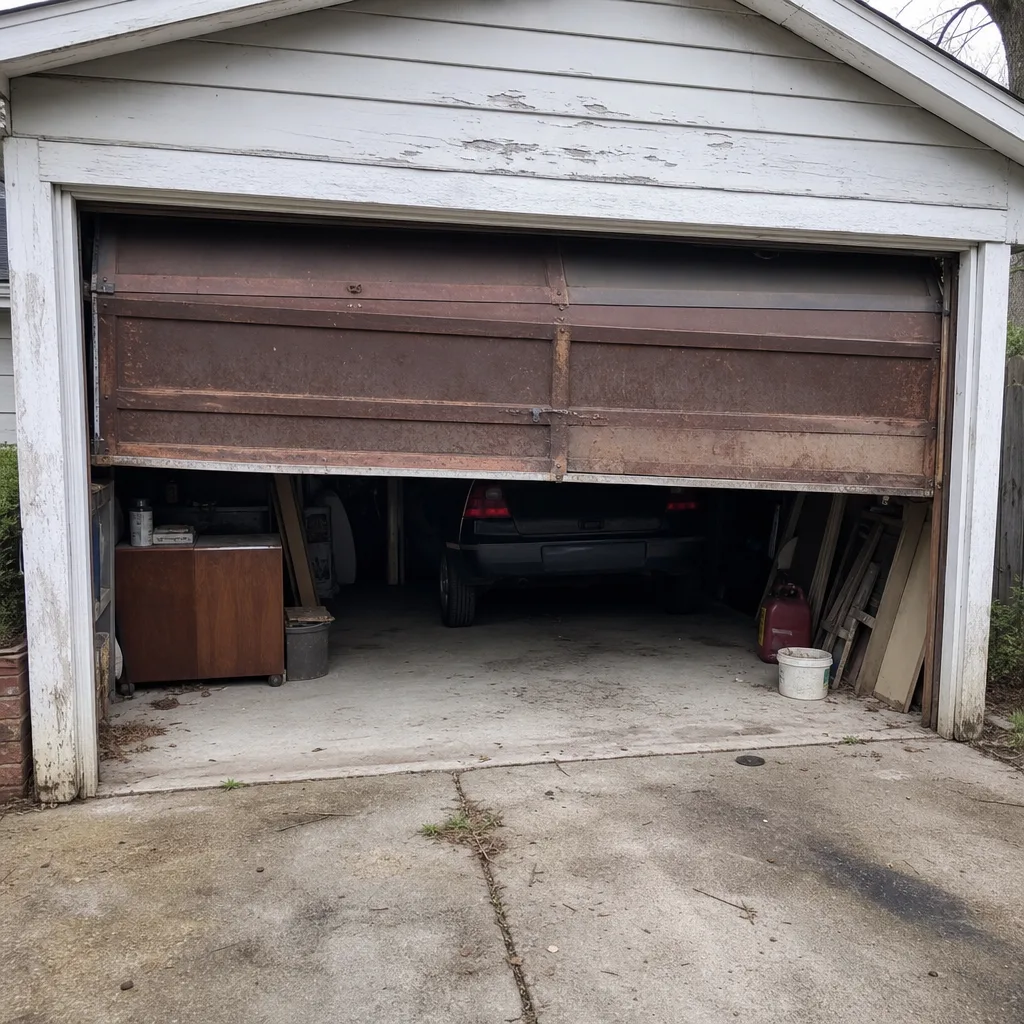 Before
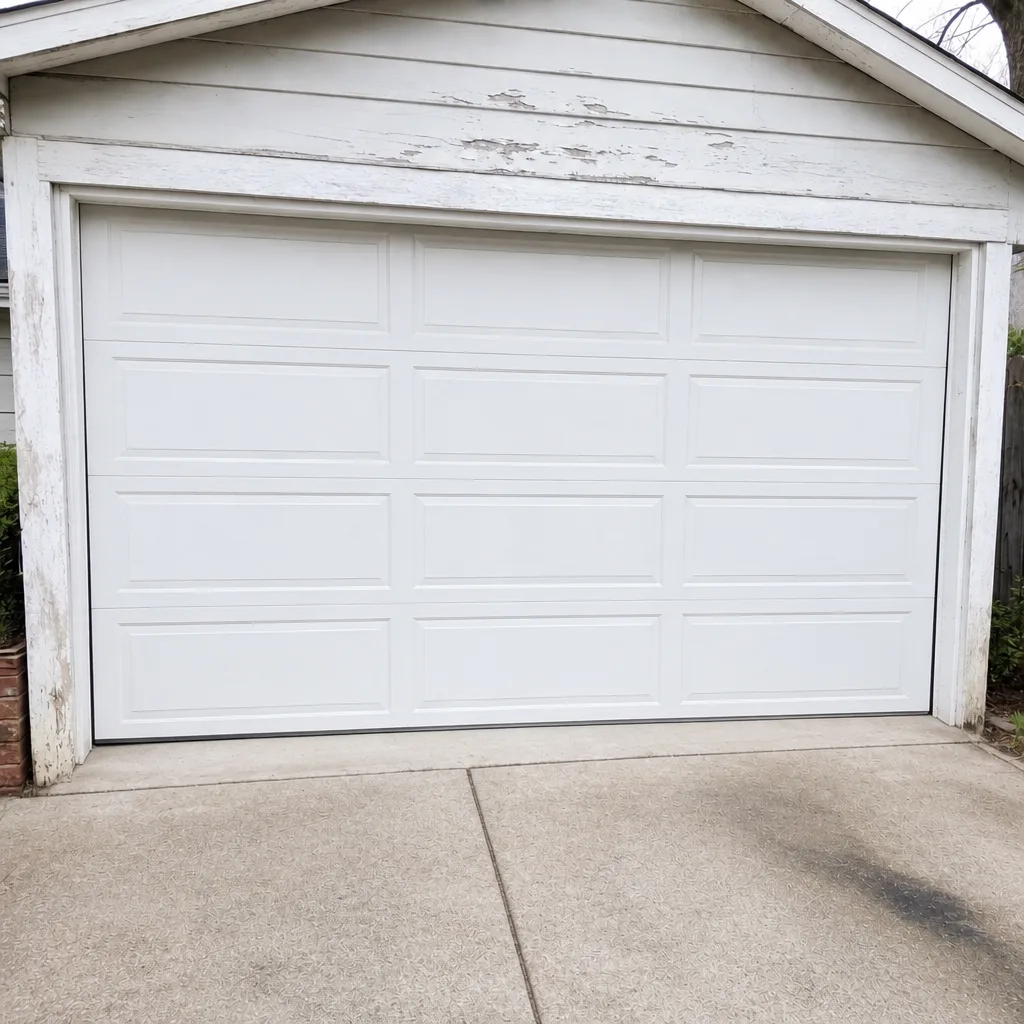 After
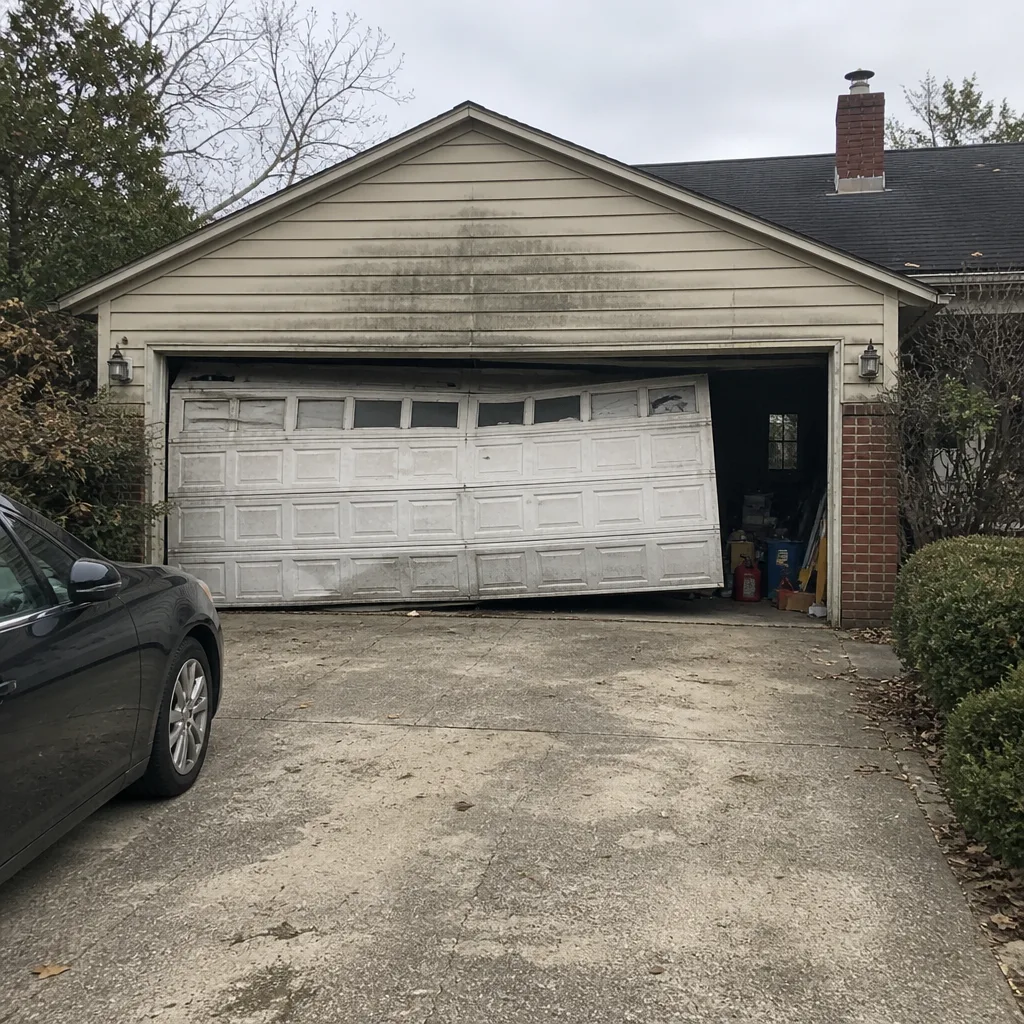 Before
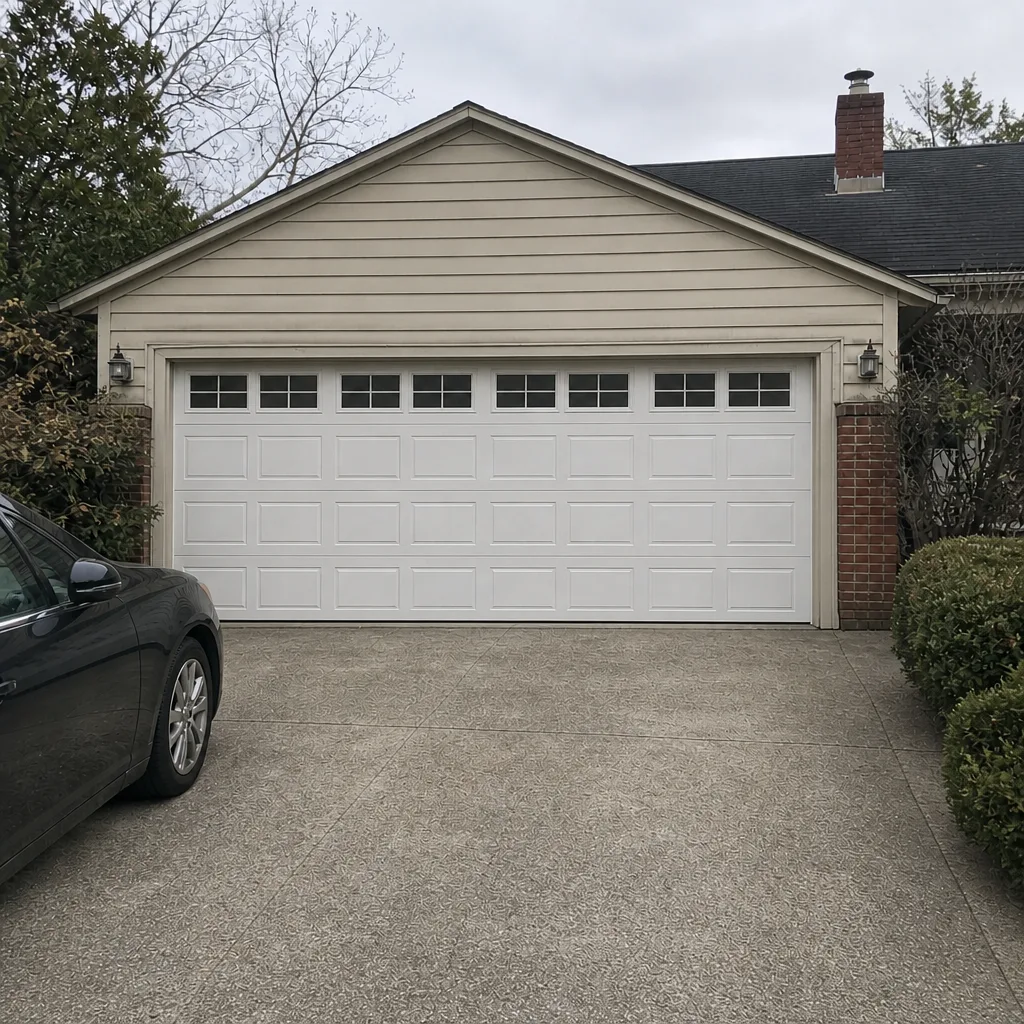 After
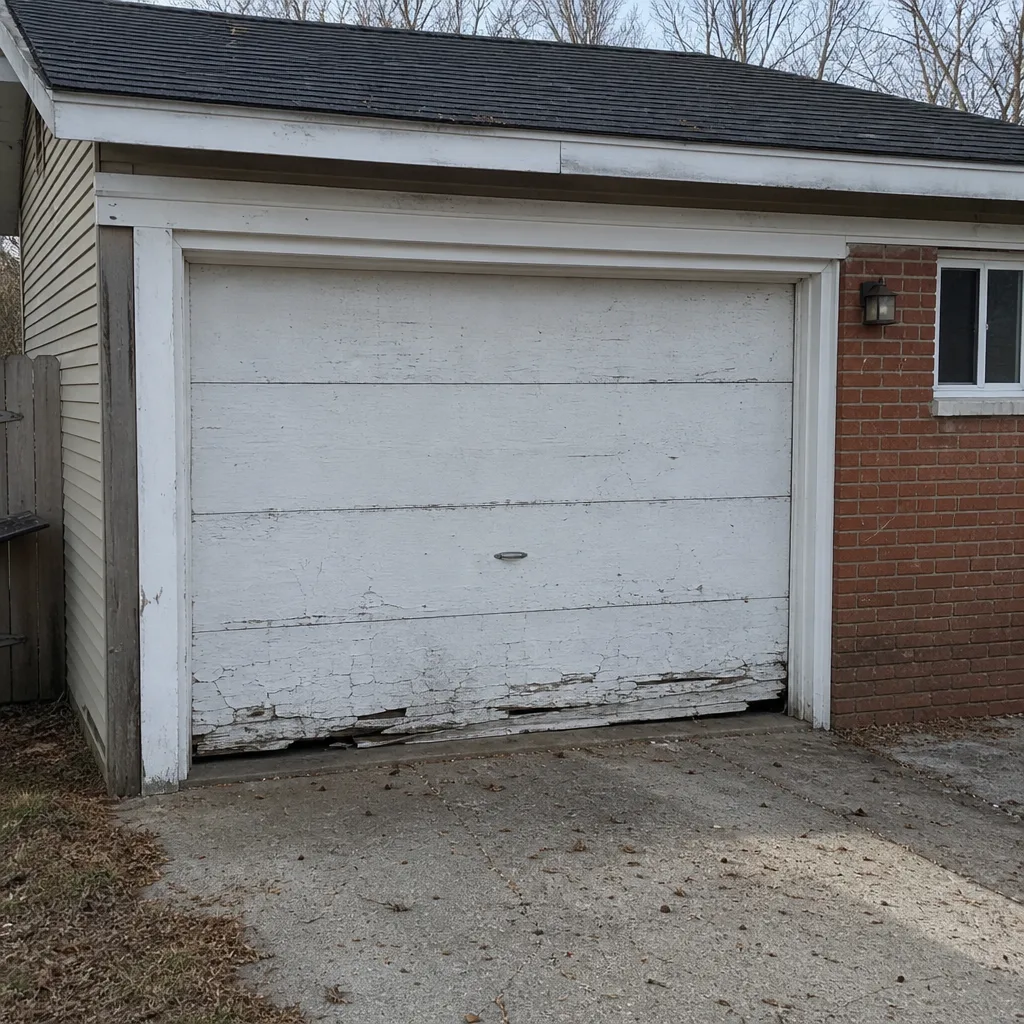 Before
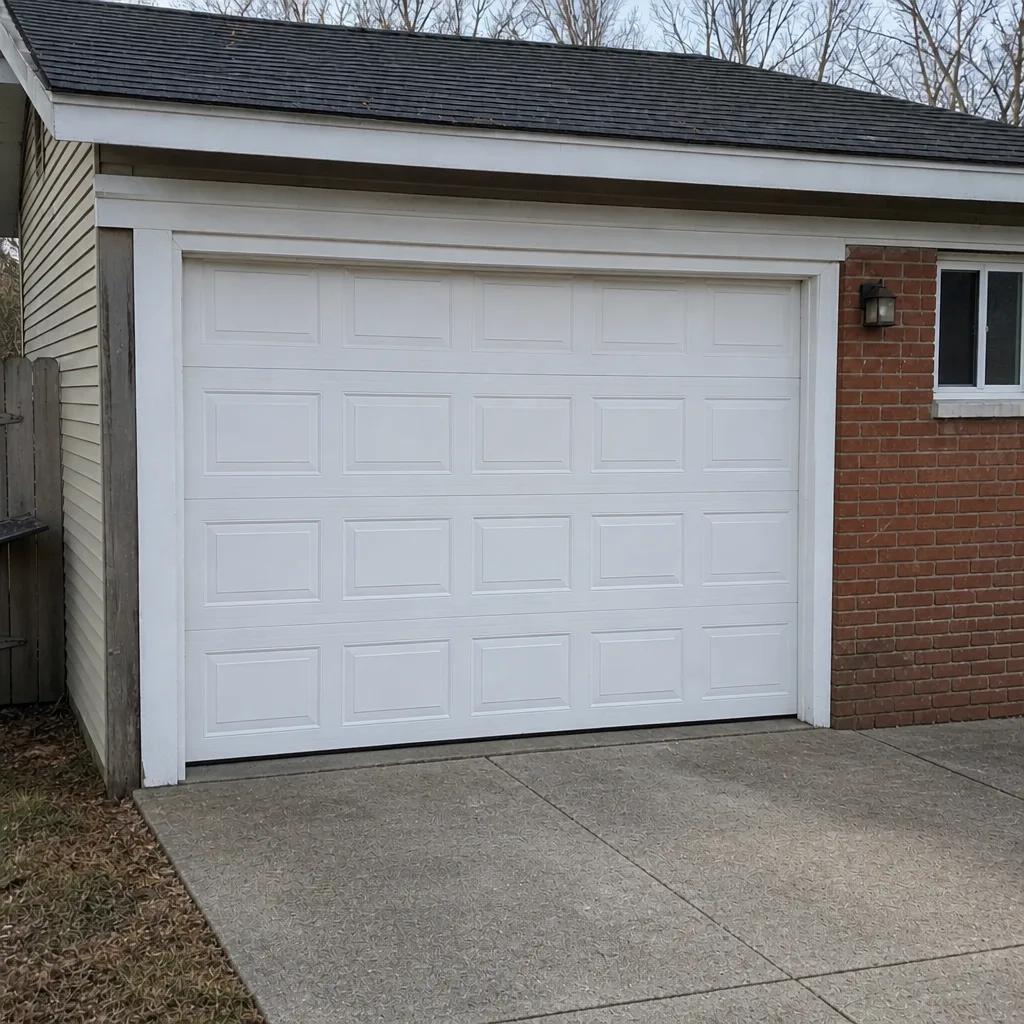 After
When to Call a Professional
Most garage door work doesn’t need a permit, but it still needs a trained hand. Call us when a torsion or extension spring snaps – the tension in a broken spring is dangerous, and this is not a DIY repair. Call when an opener stops reversing or a door hangs up in the middle of its travel. Call when a header change is part of the plan, so we can tell you what the county will want to see. And call when the retroactive permit on a previous owner’s job needs the door brought into compliance so the inspection can close out. When your door won’t move, we will – our emergency service is a real offering, not an upsell. College Park Garage Door Repair Pros offers free estimates in College Park – call (844) 622-0665, and we’ll work from a written price agreed before any work starts.
Frequently Asked Questions
Usually not, if the replacement is like-for-like: same opening size, same header, same tracks. You do need one when the work changes the structure of the opening – widening or heightening the door, cutting a new opening, altering the header, or enclosing a carport or open garage. Prince George’s County’s permitting office is the authority on any given job, and it’s worth a call when the answer isn’t obvious. For the replacement itself, call (844) 622-0665 for a free estimate.
Prince George’s County sets the fee based on the scope and value of the alteration, and the number will vary by job. There’s no flat rate for garage door work specifically. The permit cost is separate from the door and installation price. Call (844) 622-0665 for an installation estimate – the permit fee is quoted by the county, not by us, and we’ll tell you what we expect it to run for your specific scope.
Yes. Prince George’s County has a process for retroactively permitting existing alterations, and it usually involves an application, documentation of what currently exists, and an inspection that may require opening up finishes. The permit closes out in the county record and clears the alteration for future sales. If the retroactive permit requires door or hardware corrections, call (844) 622-0665 and we’ll quote the work.
No. The presence or absence of an opener has nothing to do with the permit question. Manual and powered doors are treated the same way under county code – what matters is whether the structure of the opening changed. A door that operates manually and matches the existing opening isn’t a permit trigger. Call (844) 622-0665 if you want the door and hardware checked for safety in the meantime.
We work on the brand you already have. Our technicians have up to 12 years of experience with doors and openers from LiftMaster, Chamberlain, Genie, Clopay, Amarr, Wayne Dalton, Craftsman, and Raynor. Repair first, replace only when necessary is how we approach every job. Call (844) 622-0665 and describe what’s on your door, and we’ll confirm the diagnosis before we schedule.
The inspector issues a correction notice and the work has to be brought into compliance with the approved plans before the permit can close out. The most common flags are missing safety reverse on a door with an opener, anchoring that doesn’t match the plans, or a header that wasn’t built to the approved drawings. Fixes vary by scope. Call (844) 622-0665 for a hands-on estimate – the price is quoted before any work starts.
The Bottom Line
A garage door replacement in College Park is usually a no-permit job. The permit question lives where the structure changes – a wider opening, a new header, a carport that becomes an enclosed garage, or a wall that didn’t used to have a door in it. Prince George’s County handles those permits and inspections, and the city doesn’t run a parallel building department for them. Maryland’s residential code comes into play mainly on enclosed carports and new openings, where wind load becomes part of the review. Retroactive permitting is available for previous owners’ work, and it’s almost always cheaper and easier to handle before listing a home than after a buyer’s inspector finds it. For the door itself, we work on the brand you already have. One call covers it.
Written by the team at College Park Garage Door Repair Pros.